How Gwyneth Paltrow’s Goop Kitchen Defied Ghost Kitchen Doubts to Deliver Massive Growth
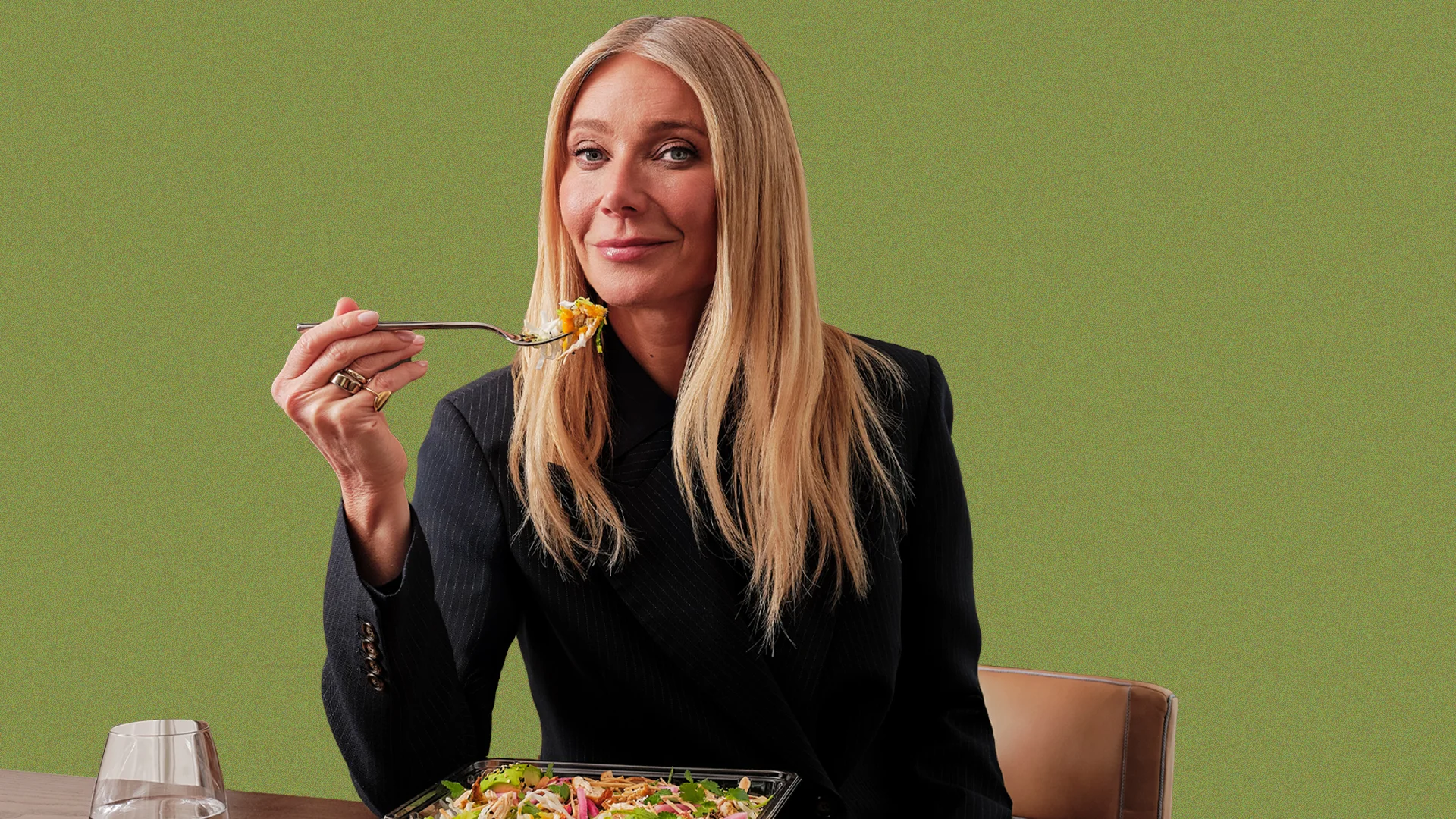
Gwyneth Paltrow’s Goop Kitchen is defying skeptics of the ghost kitchen model, leveraging strict operational control to drive explosive sales growth.
Source image: inc.com
inc.comRe-Engineering the Delivery-First Restaurant Model
For years, the ghost kitchen sector was hailed as the future of urban dining, attracting billions in venture capital during the late 2010s and early pandemic era. The promise was alluring: strip away expensive front-of-house real estate, dining room buildouts, and heavy waitstaff overhead, leaving a lean, delivery-centric machine. However, heavy customer acquisition costs, plummeting food quality during transit, and an over-reliance on third-party aggregators ultimately caused many high-profile ghost kitchen concepts to collapse.
Enter Goop Kitchen, co-founded in partnership with actress and entrepreneur Gwyneth Paltrow and led by restaurant industry veteran Donald Moore. Rather than treating delivery as an afterthought, the executive team built the brand from day one with an obsessive focus on off-premises logistics. From custom-designed packaging with recessed inserts for dressings to rigorous temperature-control measures, the brand sought to protect product integrity from the kitchen pass to the consumer's doorstep.
Unit Economics and the Power of Niche Execution
What sets Goop Kitchen apart in the current market landscape is not merely the celebrity sheen attached to the Goop name, but its impressive unit-level performance. Industry data indicates that select Goop Kitchen locations have achieved staggering daily revenues, rivaling or exceeding traditional brick-and-mortar fast-casual giants. This financial resilience stems from several strategic pillars:
- Operational Rigor: Maintaining strict internal oversight of food preparation, inventory flow, and kitchen execution to minimize waste.
- Targeted Demographic Appeal: Focusing on a clean, health-conscious menu devoid of gluten, dairy, and refined sugars, catering directly to an affluent, wellness-oriented consumer base.
- Controlled Expansion: Scaling methodically across key metropolitan markets like Los Angeles, the San Francisco Bay Area, and strategic East Coast footprints rather than overextending prematurely.
- Low Corporate Turnover: Fostering exceptional retention at both corporate and store leadership tiers, preserving institutional knowledge in a notoriously high-churn sector.
Market Implications for Hospitality and Venture Capital
The success of Goop Kitchen serves as a crucial case study for institutional investors assessing consumer discretionary and food-tech plays. It proves that the ghost kitchen and delivery-first model is not inherently flawed; rather, it was frequently executed with poor unit controls and insufficient regard for customer experience.
For the broader restaurant industry, which sees upwards of three out of four orders occurring off-premises, Goop Kitchen demonstrates that consumers are willing to pay a premium for convenience if the baseline quality mirrors upscale dining standards. This model challenges traditional restaurant unit metrics and offers a blueprint for high-margin, scalable food concepts that bypass traditional real estate constraints.
What Investors Should Watch
As Goop Kitchen looks toward broader national expansion—including deeper penetration into competitive markets like New York City and potential entry into Florida and Texas—investors and market analysts should monitor several critical variables:
- Margin Sustainability: Tracking food and labor cost inflations against premium menu pricing to ensure long-term EBITDA expansion.
- Scalability Risks: Evaluating whether operational quality and low staff turnover can be maintained as store counts accelerate.
- Capital Requirements: Monitoring future funding rounds or strategic partnerships required to fuel aggressive multi-market footprints.
Ultimately, Gwyneth Paltrow and her leadership team may have successfully engineered what eluded so many of their predecessors: a profitable, highly scalable culinary brand built specifically for the modern digital consumer.
Continue reading
Related coverage in Business
nytimes.com
David Ellison Targets CNN Leadership Continuity in Paramount Merger Talks
David Ellison is currently negotiating to retain CNN CEO Mark Thompson without oversight from CBS editor in chief Bari Weiss as parent companies navigate merger plans.
2 min read
bbc.com
Decoding Nike’s Slump: How Strategic Missteps Cost the Sportswear Titan Its Edge
Explore the factors behind Nike's dramatic market decline. Industry analysts dissect the self-inflicted strategic errors that shook the sportswear giant.
3 min read
bbc.com
Treasury Committee Directs HMRC to Investigate Tax Implications of Manchester City Case
The UK Treasury Committee has called on HMRC to closely examine potential tax ramifications arising from the high-profile Manchester City legal verdict.
3 min read
nytimes.com
US Imposes Sanctions on Russian Firm A7 Over Global Shell Company Evasion Schemes
The United States targets Russian financial firm A7 with new sanctions following reports of utilizing global shell companies to bypass existing economic restrictions.
3 min read