How Dr. Muneeb Shah Built a $50 Million Skincare Empire by Playing the Long Game
Discover how board-certified dermatologist Dr. Muneeb Shah spent five years cultivating digital trust before launching Remedy, propelling the brand to a $50 million valuation.
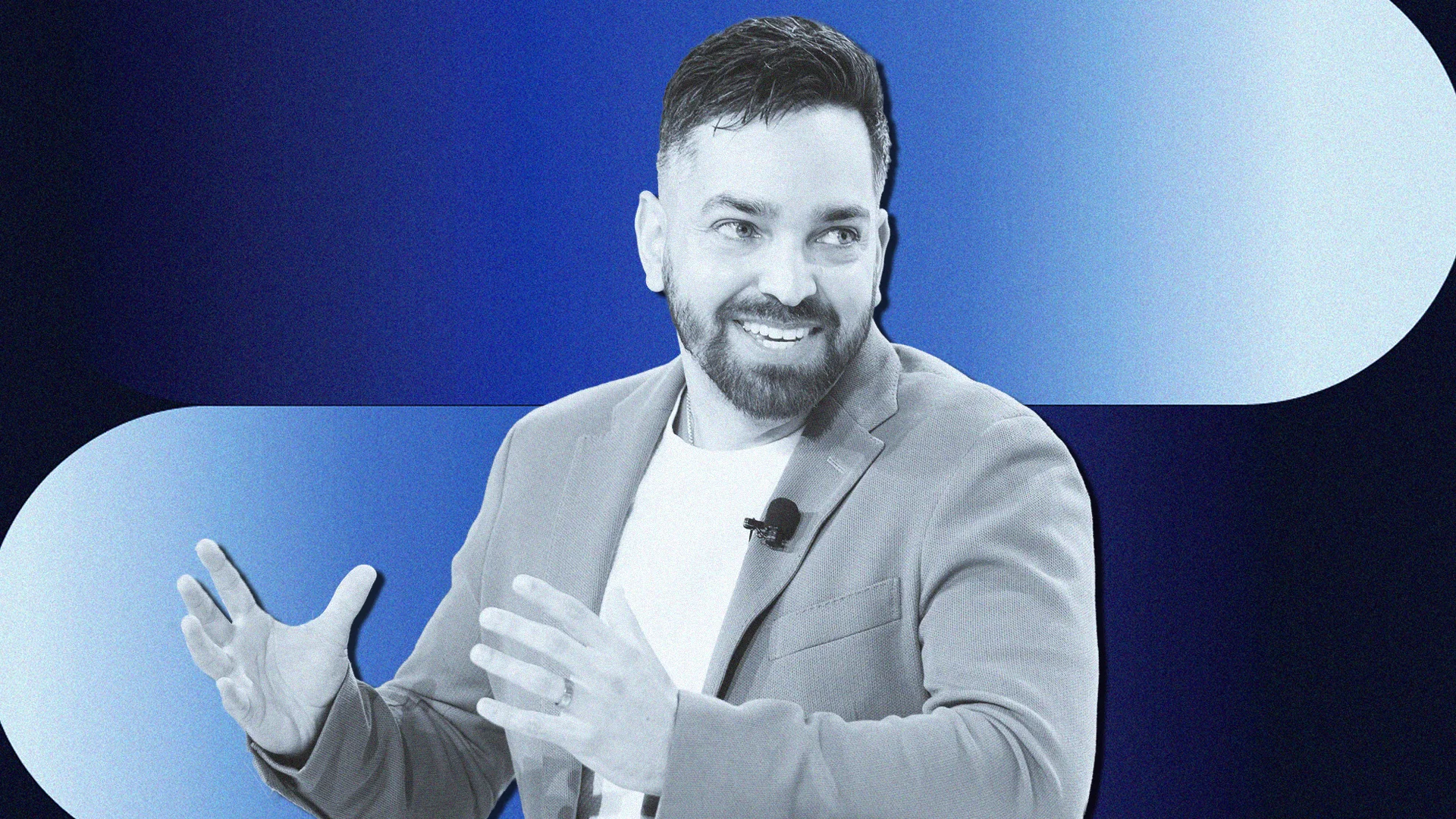
Source image: inc.com
inc.comThe Blueprint of Modern Consumer Trust
In the traditional playbook of consumer-packaged goods, the product always comes first. Founders typically spend millions manufacturing goods, securing retail distribution, and subsequently burning capital on customer acquisition to convince shoppers of their value. However, board-certified dermatologist and digital media personality Dr. Muneeb Shah—widely known as 'Derm Doctor'—flipped this conventional paradigm on its head. By dedicating roughly five years exclusively to public education and community building before launching his skincare line Remedy, Shah proved that audience equity is the most valuable currency in modern commerce.
Rather than rushing formulations to market to capitalize on fleeting social media trends, Shah utilized his multi-million-strong digital platforms to listen, analyze, and catalog real consumer frustrations. When Remedy finally debuted, it did not enter the market as an untested newcomer gambling for attention; it arrived as an answer to years of aggregated data, addressing exact skin concerns like hyperpigmentation, barrier damage, and texture irregularities with clinical precision.
Capital Efficiency and Exponential Scale
The financial mechanics behind Remedy’s trajectory offer a compelling case study for venture capitalists and private equity investors alike. Within just two years of its commercial launch, the brand scaled past one million customers, maintaining profitability while tracking toward an impressive $50 million in annual revenue. This operational resilience caught the eye of premier institutional investors, culminating in a heavily oversubscribed $20 million Series A funding round led by consumer-focused private equity heavyweight L Catterton.
The brand's omnichannel strategy has been equally deliberate. By blending a powerhouse direct-to-consumer digital infrastructure with targeted visibility on Amazon, TikTok Shop, and major brick-and-mortar partners like Target, Remedy maximized its total addressable market without compromising margin efficiency. This disciplined expansion underscores why institutional capital increasingly favors creator-led brands rooted in genuine domain expertise rather than manufactured celebrity endorsements.
Market Implications for the Beauty and Wellness Sector
Remedy’s rapid ascension signals a broader structural shift within the global beauty and wellness economy. Consumers are increasingly skeptical of traditional marketing hype, preferring science-backed formulations endorsed by credentialed professionals. Brands that fail to establish deep consumer intimacy and transparency face skyrocketing customer acquisition costs on major digital ad exchanges.
Furthermore, the crossover between medical dermatology and prestige consumer products continues to be a high-growth category. Investors are actively hunting for clinical-grade efficacy paired with accessible price points, a sweet spot that Remedy occupies comfortably. The success of the brand validates that modern consumers view skincare not as a luxury vanity pursuit, but as a component of proactive health and wellness.
Key Metrics and Strategic Takeaways for Investors
For entrepreneurs and investors monitoring the consumer landscape, Remedy's trajectory highlights several vital takeaways:
- Audience-First Architecture: Building trust and gathering consumer insights years ahead of product monetization drastically shortens the path to profitability.
- Credentialed Authority: Founder-led brands anchored by verified medical or scientific expertise command higher baseline consumer loyalty and lower churn rates.
- Omnichannel Agility: Seamless integration across digital ecosystems, social commerce platforms, and national retail footprints accelerates scale.
As Remedy deploys its fresh capital infusion toward deep clinical research and global product pipeline expansion, the brand stands as a benchmark for the next generation of consumer enterprises. For market participants, the lesson is clear: patience, authenticity, and rigorous product integrity remain the ultimate competitive moats.
Continue reading
Related coverage in Business
nytimes.com
David Ellison Targets CNN Leadership Continuity in Paramount Merger Talks
David Ellison is currently negotiating to retain CNN CEO Mark Thompson without oversight from CBS editor in chief Bari Weiss as parent companies navigate merger plans.
2 min read
bbc.com
Decoding Nike’s Slump: How Strategic Missteps Cost the Sportswear Titan Its Edge
Explore the factors behind Nike's dramatic market decline. Industry analysts dissect the self-inflicted strategic errors that shook the sportswear giant.
3 min read
bbc.com
Treasury Committee Directs HMRC to Investigate Tax Implications of Manchester City Case
The UK Treasury Committee has called on HMRC to closely examine potential tax ramifications arising from the high-profile Manchester City legal verdict.
3 min read
nytimes.com
US Imposes Sanctions on Russian Firm A7 Over Global Shell Company Evasion Schemes
The United States targets Russian financial firm A7 with new sanctions following reports of utilizing global shell companies to bypass existing economic restrictions.
3 min read