How a Single Ingredient Swap Derailed Simply Good Foods' $280 Million Owyn Acquisition
A disastrous post-acquisition ingredient shift in Owyn protein shakes has sparked a major securities lawsuit against parent company Simply Good Foods, erasing millions in shareholder value.
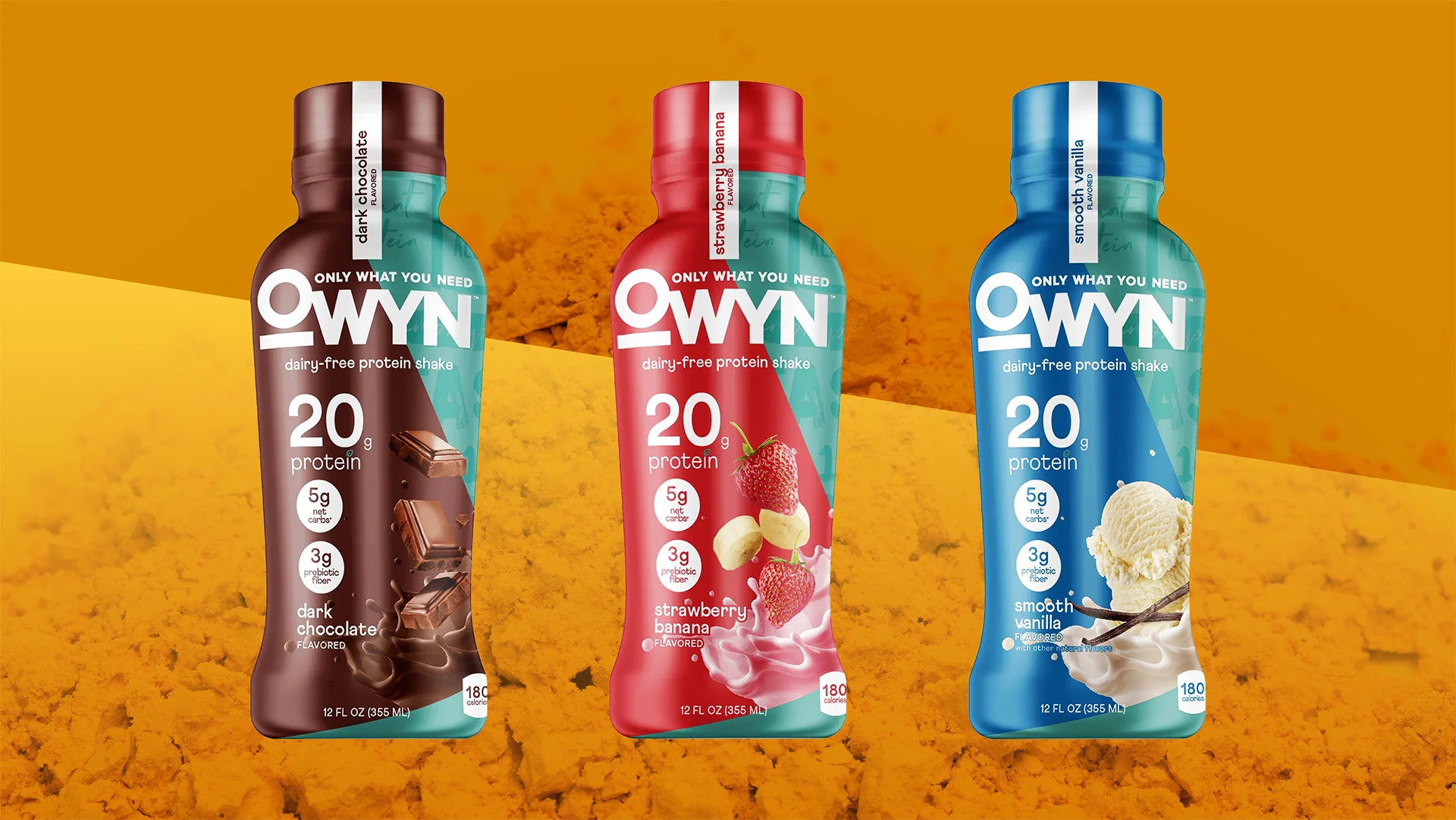
Source image: inc.com
inc.comThe Anatomy of a Consumer Goods Merger Failure
Corporate acquisitions are designed to generate synergy, expand market share, and diversify revenue streams. However, when corporate integration misfires, the consequences can reverberate violently across balance sheets and equity markets. The Simply Good Foods Company—the parent organization behind health and snacking powerhouses like Quest and Atkins—is currently learning this lesson the hard way. A federal class-action lawsuit filed in the Southern District of New York alleges that the company's $280 million acquisition of plant-based ready-to-drink protein shake brand Owyn (Only What You Need) devolved from a strategic growth initiative into an operational catastrophe.
At the heart of the litigation is a seemingly minor operational adjustment: a raw material sourcing change involving pea protein. Although decided prior to the finalization of the transaction, the integration team executed the supplier swap shortly after the deal closed in mid-2024. Rather than capturing cost efficiencies, the transition to the new protein supplier introduced latent quality defects that severely undermined the product's market standing.
The Domino Effect of a Single Sourcing Shift
In the highly competitive functional beverage landscape, brand loyalty is intrinsically tied to sensory consistency. When Simply Good Foods swapped its pea-protein provider, the chemical and structural properties of the formulation shifted. Food science experts note that vegetable proteins can vary drastically depending on isolation techniques, processing methods, and origin profiles. For Owyn, these micro-variations manifested as severe, progressive degradation over time.
- Taste and Texture Deficiencies: Consumers and retailers quickly noticed an undesirable shift in flavor profile and mouthfeel as the inventory aged on shelves.
- Compromised Shelf Life: The new protein compound reacted poorly during distribution cycles, accelerating spoilage characteristics and product fatigue.
- Collateral Retail Damage: Negative online reviews and deteriorating consumer sentiment translated into mounting retailer pushback, culminating in lost distribution channels and declining velocities.
To combat tumbling sales, management allegedly leaned heavily on aggressive discounting and promotional spending—tactics that eroded margins without solving the core product defect. Concurrently, the departure of key managerial personnel following the buyout left an organizational vacuum, forcing the company to bloat its general and administrative expenses with layered oversight that failed to arrest the decline.
Market Implications and Shareholder Fallout
The financial fallout for Simply Good Foods has been severe. The company's stock price has plummeted significantly from its prior trading ranges, erasing roughly 70% of market value since the acquisition. Furthermore, leadership has been forced to absorb cumulative brand impairment charges totaling approximately $200 million. Plaintiffs in the securities lawsuit argue that executive leadership misled investors by continuously painting an overly optimistic picture of the integration process while concealing mounting quality crises and talent drain.
This case serves as an authoritative cautionary tale for institutional investors and corporate executives alike. It highlights how microscopic supply chain modifications, if executed without rigorous quality assurance, can entirely invalidate the fundamental thesis of a multi-million-dollar M&A transaction. In the consumer packaged goods (CPG) sector, brand equity is fragile; altering a foundational ingredient without accounting for long-term consumer perception is a recipe for commercial destruction.
What Investors Should Watch Moving Forward
As the legal proceedings unfold in New York, market participants and equity analysts should monitor several critical vectors regarding Simply Good Foods and its broader portfolio:
- Legal Liability and Settlement Exposure: Keep a close eye on court timelines, particularly lead plaintiff deadlines and motions to dismiss, which will dictate potential financial liabilities or settlement pressures.
- Quest Brand Resilience: Evaluate whether flagship assets like Quest can insulate the company from ongoing margin compression while the Owyn segment undergoes restructuring.
- Formulation Remediation Metrics: Track management commentary regarding whether the Owyn product line has successfully reverted to its original legacy formulation and whether distribution slots can be recovered.
- M&A Governance Standards: Expect heightened institutional scrutiny regarding post-merger integration milestones, supply chain audits, and executive retention strategies across the wider consumer goods industry.
Continue reading
Related coverage in Business
nytimes.com
David Ellison Targets CNN Leadership Continuity in Paramount Merger Talks
David Ellison is currently negotiating to retain CNN CEO Mark Thompson without oversight from CBS editor in chief Bari Weiss as parent companies navigate merger plans.
2 min read
bbc.com
Decoding Nike’s Slump: How Strategic Missteps Cost the Sportswear Titan Its Edge
Explore the factors behind Nike's dramatic market decline. Industry analysts dissect the self-inflicted strategic errors that shook the sportswear giant.
3 min read
bbc.com
Treasury Committee Directs HMRC to Investigate Tax Implications of Manchester City Case
The UK Treasury Committee has called on HMRC to closely examine potential tax ramifications arising from the high-profile Manchester City legal verdict.
3 min read
nytimes.com
US Imposes Sanctions on Russian Firm A7 Over Global Shell Company Evasion Schemes
The United States targets Russian financial firm A7 with new sanctions following reports of utilizing global shell companies to bypass existing economic restrictions.
3 min read