How a Century-Old Colorado Retailer Mastered Experiential Marketing Through Retro Roadside Strategy
Discover how historic Colorado retailer F.M. Light & Sons leverages ingenious roadside marketing to convert routine travel into an unforgettable brand experience.
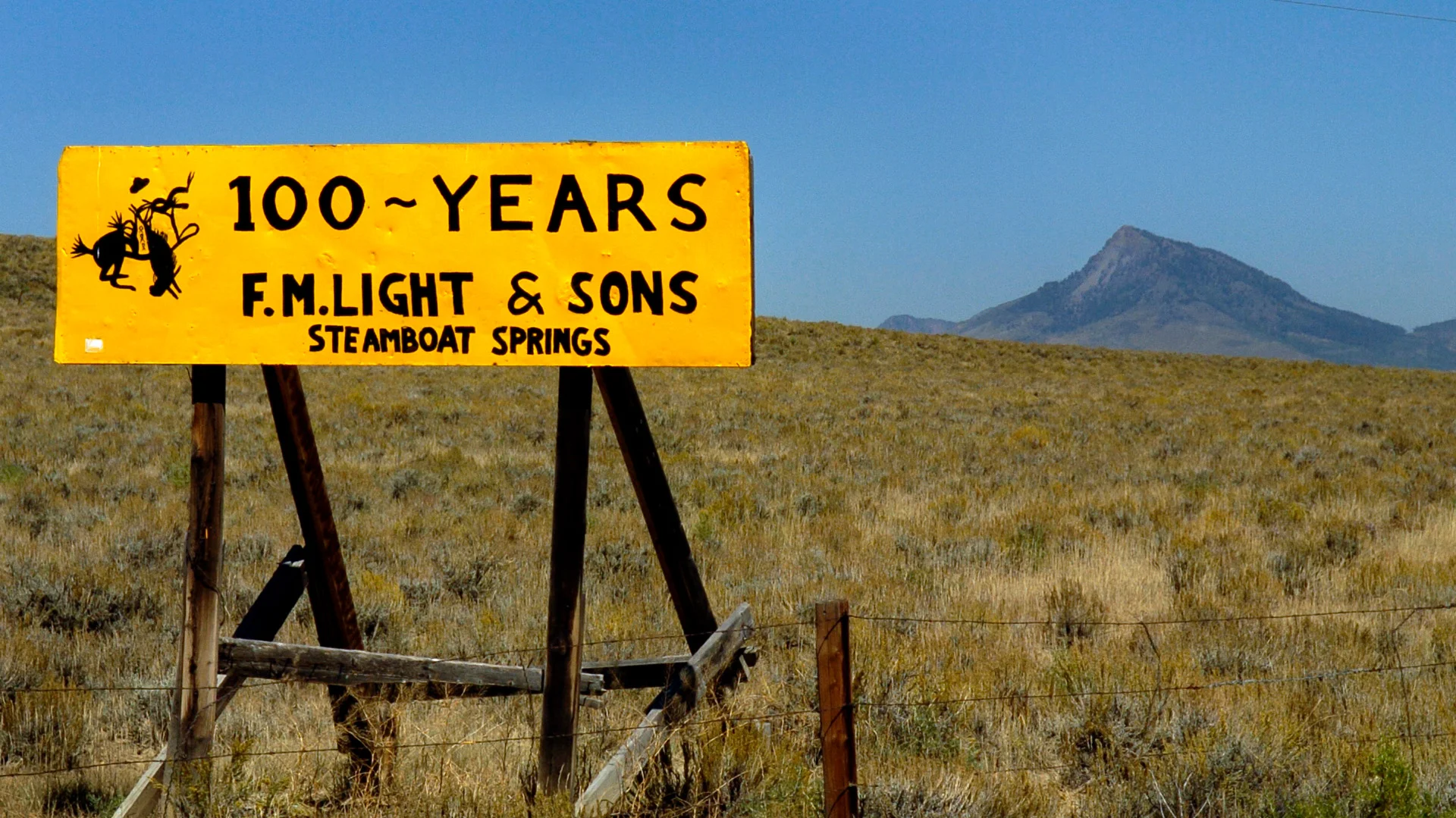
Source image: inc.com
inc.comThe Anatomy of Generational Brand Retention
In an era dominated by hyper-targeted programmatic digital ads, algorithmic social media campaigns, and fleeting customer attention spans, a century-old western wear store in the mountains of Colorado continues to demonstrate the unmatched power of physical-world marketing. F.M. Light & Sons, located in Steamboat Springs, has mastered the art of embedding its brand identity directly into the consumer journey. Rather than relying solely on digital touchpoints, the company leverages a distinctive network of roadside infrastructure that converts routine highway transit into an engaging, memorable brand narrative.
For executives and brand strategists, the retailer's enduring framework proves that simplicity, consistency, and spatial immersion often outmaneuver complex digital funnels. By focusing on how customers physically experience travel toward a destination, F.M. Light & Sons has turned a routine road trip into an active participatory event, ensuring that the brand is anchored deeply in the consumer consciousness long before they ever cross the threshold of the retail store.
Turning Transit into an Immersive Experience
The core genius of the strategy lies in transforming the tedious elements of travel into narrative milestones. Tourists and locals driving through the scenic Colorado corridors encounter the unmistakable yellow-and-black signage that marks the approach to Steamboat Springs. These physical markers do more than display commercial messaging—they act as navigational checkpoints that build excitement, create a sense of place, and frame the retail store as an essential landmark destination rather than just a commercial shop.
- Spatial Continuity: Placing sequential markers along major transit routes establishes a rhythm that naturally captures consumer attention.
- Contextual Relevance: The messaging aligns seamlessly with the rustic, adventurous mindset of travelers exploring the Rocky Mountain region.
- Generational Investment: Maintaining these physical assets over decades signals deep-rooted authenticity and reliability to modern consumers.
Market Implications for Modern Retail and Executives
As customer acquisition costs (CAC) across digital channels climb to historic highs, direct-to-consumer (DTC) brands and traditional retailers alike are re-evaluating the return on investment of physical and place-based advertising. The F.M. Light & Sons model underscores the commercial viability of high-visibility, analog marketing strategies that foster emotional connections. In markets saturated with invisible digital impressions, tangible real-world visibility commands a unique psychological premium.
Furthermore, this approach offers a masterclass in building brand equity that withstands economic volatility. When a brand becomes structurally interwoven with the physical geography of a region, it builds an economic moat that competitors cannot easily disrupt through digital ad spend alone. Executives looking to future-proof their marketing mix should take note: physical presence and environmental integration remain among the most potent drivers of long-term organic discovery.
Key Metrics and Strategic Takeaways for Investors
For investors analyzing consumer discretionary and experiential retail sectors, asset durability and customer lifetime value (LTV) remain critical barometers of health. Companies that successfully blend place-based storytelling with authentic retail operations typically exhibit superior customer retention metrics. Key indicators to watch include organic referral patterns, repeat visitation rates, and the efficacy of experiential touchpoints in lowering blended acquisition costs.
Ultimately, the Colorado retailer's century-long success serves as a timely reminder that foundational marketing principles—authenticity, visibility, and respect for the customer journey—never go out of style. As businesses navigate an increasingly digital future, the most durable competitive advantages may still be found right along the open road.
Continue reading
Related coverage in Business
nytimes.com
David Ellison Targets CNN Leadership Continuity in Paramount Merger Talks
David Ellison is currently negotiating to retain CNN CEO Mark Thompson without oversight from CBS editor in chief Bari Weiss as parent companies navigate merger plans.
2 min read
bbc.com
Decoding Nike’s Slump: How Strategic Missteps Cost the Sportswear Titan Its Edge
Explore the factors behind Nike's dramatic market decline. Industry analysts dissect the self-inflicted strategic errors that shook the sportswear giant.
3 min read
bbc.com
Treasury Committee Directs HMRC to Investigate Tax Implications of Manchester City Case
The UK Treasury Committee has called on HMRC to closely examine potential tax ramifications arising from the high-profile Manchester City legal verdict.
3 min read
nytimes.com
US Imposes Sanctions on Russian Firm A7 Over Global Shell Company Evasion Schemes
The United States targets Russian financial firm A7 with new sanctions following reports of utilizing global shell companies to bypass existing economic restrictions.
3 min read