Historic Arctic Container Voyage Reshapes Global Shipping Strategy Amid Suez Canal Disruptions
A container ship's landmark arrival in the UK via the Arctic marks a pivotal shift in global logistics, offering a shorter, alternative corridor to the troubled Suez Canal.
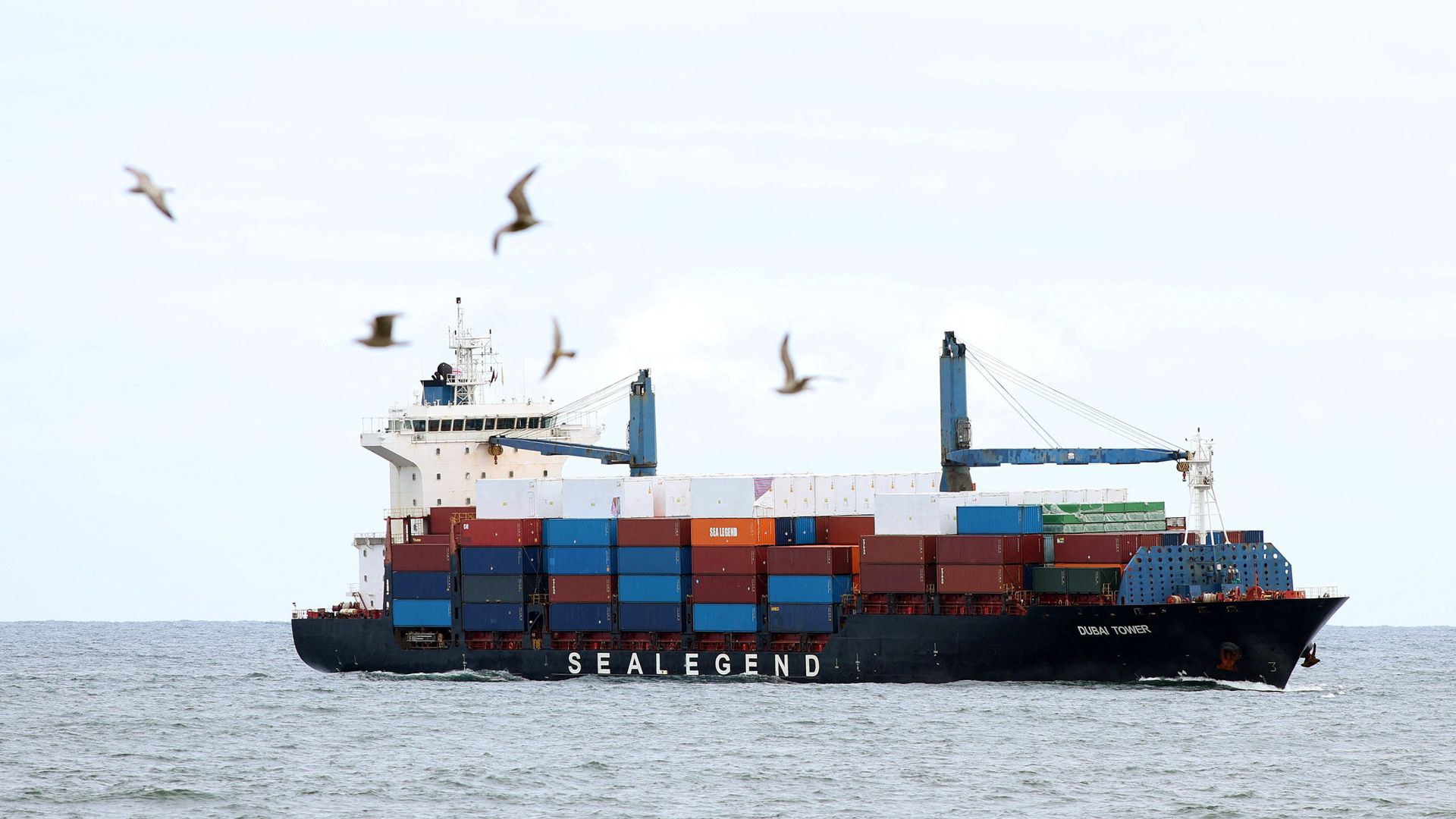
Source image: skynews.com
skynews.comA Paradigm Shift in Transcontinental Logistics
In what is being hailed as a watershed moment for international maritime trade, a container vessel has successfully completed a landmark voyage from China to the United Kingdom by navigating the treacherous waters of the Arctic . Docking at Teesport off England's northeast coast, the Dubai Tower concluded a journey that began in eastern China on August 15, signaling the dawn of regular container services operating via the so-called Northern Sea Route .
For decades, the Arctic passage—characterized by thick sea ice, sub-zero temperatures, and severe navigation hazards—was deemed commercially unviable for routine cargo transit. However, accelerating climate shifts, combined with advanced ice-class vessel engineering, have transformed what was once an impassable frontier into a viable commercial artery. This historic transit is not an isolated incident; other major shipping entities, including South Korean operators, are actively testing polar routes to gauge their long-term operational viability .
Geopolitical Realities and the Vulnerability of Traditional Chokepoints
The urgency behind exploring alternative maritime corridors stems directly from profound instability in traditional shipping lanes. The Suez Canal and the Bab al-Mandab Strait have faced severe disruptions, security threats, and military blockades, forcing commercial fleets to choose between navigating high-risk zones or embarking on massive detours around Africa's Cape of Good Hope .
These southern detours add weeks to transit times and inflate fuel and insurance costs, ultimately fueling global inflationary pressures. By comparison, the Arctic route drastically cuts down nautical miles between East Asian manufacturing hubs and Northern European consumer markets. For corporate boards and supply chain executives, minimizing exposure to Middle Eastern geopolitical conflicts has become an urgent operational priority, elevating the strategic importance of polar navigation.
Economic Implications and Market Significance
- Reduced Transit Times: The Northern Sea Route slashes thousands of nautical miles off the traditional China-to-Europe journey, translating directly into optimized fuel efficiency and faster inventory turns.
- Insurance and Operating Costs: While fuel savings are substantial, voyages through the Arctic demand specialized ice-strengthened hulls, high-cost polar marine insurance, and specialized pilotage fees.
- Supply Chain Resilience: Diversifying away from hyper-congested chokepoints like the Suez Canal protects corporate bottom lines from sudden regional conflicts and canal blockages.
Environmental, Regulatory, and Operational Challenges
Despite the undeniable commercial allure, institutional investors must maintain a balanced perspective regarding the risks involved. Arctic shipping remains exceptionally volatile. Unpredictable weather conditions, shifting ice floes, and a lack of robust rescue infrastructure along the polar coastline mean that scheduling reliability cannot yet match legacy routes.
Furthermore, environmental scrutiny is intensifying. Increased vessel traffic through pristine polar ecosystems raises legitimate concerns regarding black carbon emissions, oil spill vulnerabilities, and disturbances to vulnerable marine wildlife. International regulatory bodies are expected to tighten compliance frameworks, potentially imposing stricter emissions caps or operational restrictions on ships utilizing polar waters.
What Investors Should Watch
As the global shipping industry stands at this logistical crossroads, stakeholders should monitor several critical indicators over the upcoming quarters:
- Vessel Class Investments: Track capital allocation by major shipping conglomerates toward building ice-class container vessels capable of year-round or extended-season polar transits.
- Geopolitical Alignments: Assess regulatory and transit fee frameworks established by nations controlling the Arctic passage, which will dictate overall cost structures.
- Cargo Insurance Trends: Evaluate shifts in underwriting policies and premium rates for northern maritime insurance as historical loss data accumulates.
Ultimately, while the Arctic route is unlikely to completely replace conventional southern lanes in the near term, its emergence as a viable secondary corridor represents a permanent evolution in global trade architecture. Executives who successfully integrate diversified routing strategies into their operational models will be best positioned to weather future macroeconomic and geopolitical shocks.
Continue reading
Related coverage in Business
nytimes.com
David Ellison Targets CNN Leadership Continuity in Paramount Merger Talks
David Ellison is currently negotiating to retain CNN CEO Mark Thompson without oversight from CBS editor in chief Bari Weiss as parent companies navigate merger plans.
2 min read
bbc.com
Decoding Nike’s Slump: How Strategic Missteps Cost the Sportswear Titan Its Edge
Explore the factors behind Nike's dramatic market decline. Industry analysts dissect the self-inflicted strategic errors that shook the sportswear giant.
3 min read
bbc.com
Treasury Committee Directs HMRC to Investigate Tax Implications of Manchester City Case
The UK Treasury Committee has called on HMRC to closely examine potential tax ramifications arising from the high-profile Manchester City legal verdict.
3 min read
nytimes.com
US Imposes Sanctions on Russian Firm A7 Over Global Shell Company Evasion Schemes
The United States targets Russian financial firm A7 with new sanctions following reports of utilizing global shell companies to bypass existing economic restrictions.
3 min read