Grocery Price Inflation Ticks Up as Energy Volatility and Harvest Failures Threaten Winter Budgets
Grocery inflation creeps upward from recent lows, driven by surging energy costs and diminished agricultural yields that threaten household budgets this winter.
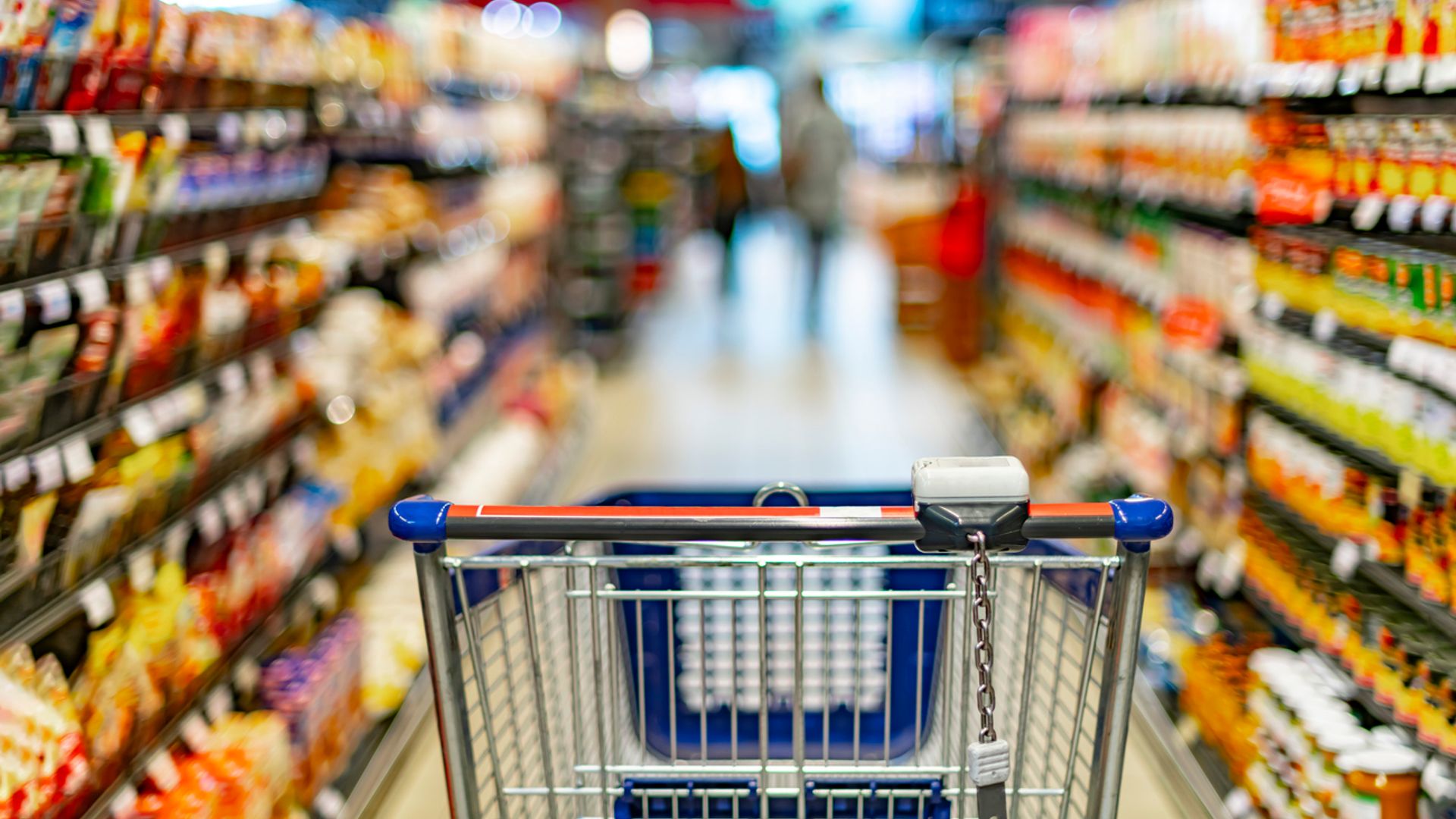
Source image: skynews.com
skynews.comThe Resurgence of Food Price Pressures
The global retail landscape is facing a fresh wave of economic anxiety as grocery price inflation ticks up from its recent 2024 lows. After a period of relative stabilization, consumers and retail executives alike are confronting an uncomfortable reality: the systemic drivers of food inflation have not disappeared; they are merely evolving. Upstream costs, ranging from agricultural inputs to logistics, are once again filtering down to the supermarket checkout line, threatening to squeeze household purchasing power just as winter approaches.
Market analysts note that the recent uptick is not an isolated anomaly, but rather the cumulative result of lingering post-pandemic supply chain vulnerabilities compounded by new macroeconomic headwinds. Food and beverage manufacturers, having exhausted internal cost-cutting measures, are finding themselves with little choice but to pass increased expenses onto retailers and, ultimately, the consumer.
Core Drivers: Energy Volatility and Compromised Yields
At the heart of this inflationary resurgence are two primary catalysts: escalating energy expenses and poor agricultural harvests. Energy markets remain acutely sensitive to geopolitical tensions and regional conflicts, driving up the cost of fuel, electricity, and natural gas. Because modern industrial agriculture is heavily reliant on energy-intensive processes—including fertilizer production, mechanical harvesting, and temperature-controlled transport—any shock to the energy sector translates almost immediately into higher farm-gate prices.
Simultaneously, extreme weather patterns and climate-related disruptions have taken a heavy toll on crop yields across key agricultural regions. From diminished grain outputs to struggling sugar and coffee crops, reduced global supply has triggered sharp spikes in raw commodity costs. These structural deficits mean that food processors are paying significantly more for primary ingredients, setting a high baseline floor for retail prices that cannot easily be discounted.
Consumer Behavior and the Pivot to Value
As grocery bills creep higher, consumer behavior is shifting rapidly. Households that had begun to ease out of strict budgeting habits are returning en masse to value-seeking strategies. Retail trends indicate a sharp acceleration in discount-store patronage, increased reliance on private-label store brands, and meticulous coupon clipping. Shoppers are increasingly unwilling or unable to absorb continuous price hikes, leading to a noticeable contraction in the volume of discretionary items purchased per basket.
- Private Label Growth: Consumers are trading down from name brands to supermarket own-brands to preserve monthly budgets.
- Volume Contraction: Shoppers are buying fewer total items, cutting back on premium and non-essential grocery categories.
- Promotional Reliance: Retailers are seeing heightened customer sensitivity to multi-buy deals and loyalty scheme discounts.
Corporate Margins and Market Implications
For executives and investors, this environment creates a complex strategic tightrope. Consumer goods giants and major supermarket chains are caught between rising input costs and a consumer base with severely limited wiggle room. Companies that attempt to fully pass on cost increases risk suffering severe volume declines as shoppers abandon their products for cheaper alternatives. Conversely, those that absorb the costs face deteriorating operating margins and dissatisfied shareholders.
This dynamic is expected to polarize the retail sector further. Hard discounters and supermarkets with highly optimized supply chains are well-positioned to capture market share from traditional mid-tier grocers. Meanwhile, food manufacturing conglomerates will likely lean heavier into product reformulation, package downsizing—often termed 'shrinkflation'—and supply chain automation to protect their bottom lines.
What Investors Should Watch
As the market navigates this inflationary rebound, investors and financial analysts should closely monitor several key indicators:
Ultimately, the latest uptick in grocery inflation serves as a stark reminder that the cost-of-living crisis is far from over. As winter approaches, the resilience of both consumer wallets and corporate supply chains will be thoroughly tested, making strategic agility paramount for success in the consumer staples sector.
Continue reading
Related coverage in Business
nytimes.com
David Ellison Targets CNN Leadership Continuity in Paramount Merger Talks
David Ellison is currently negotiating to retain CNN CEO Mark Thompson without oversight from CBS editor in chief Bari Weiss as parent companies navigate merger plans.
2 min read
bbc.com
Decoding Nike’s Slump: How Strategic Missteps Cost the Sportswear Titan Its Edge
Explore the factors behind Nike's dramatic market decline. Industry analysts dissect the self-inflicted strategic errors that shook the sportswear giant.
3 min read
bbc.com
Treasury Committee Directs HMRC to Investigate Tax Implications of Manchester City Case
The UK Treasury Committee has called on HMRC to closely examine potential tax ramifications arising from the high-profile Manchester City legal verdict.
3 min read
nytimes.com
US Imposes Sanctions on Russian Firm A7 Over Global Shell Company Evasion Schemes
The United States targets Russian financial firm A7 with new sanctions following reports of utilizing global shell companies to bypass existing economic restrictions.
3 min read