Global Flavor Fusion: How Chili Crisp Is Reshaping the Condiment Market
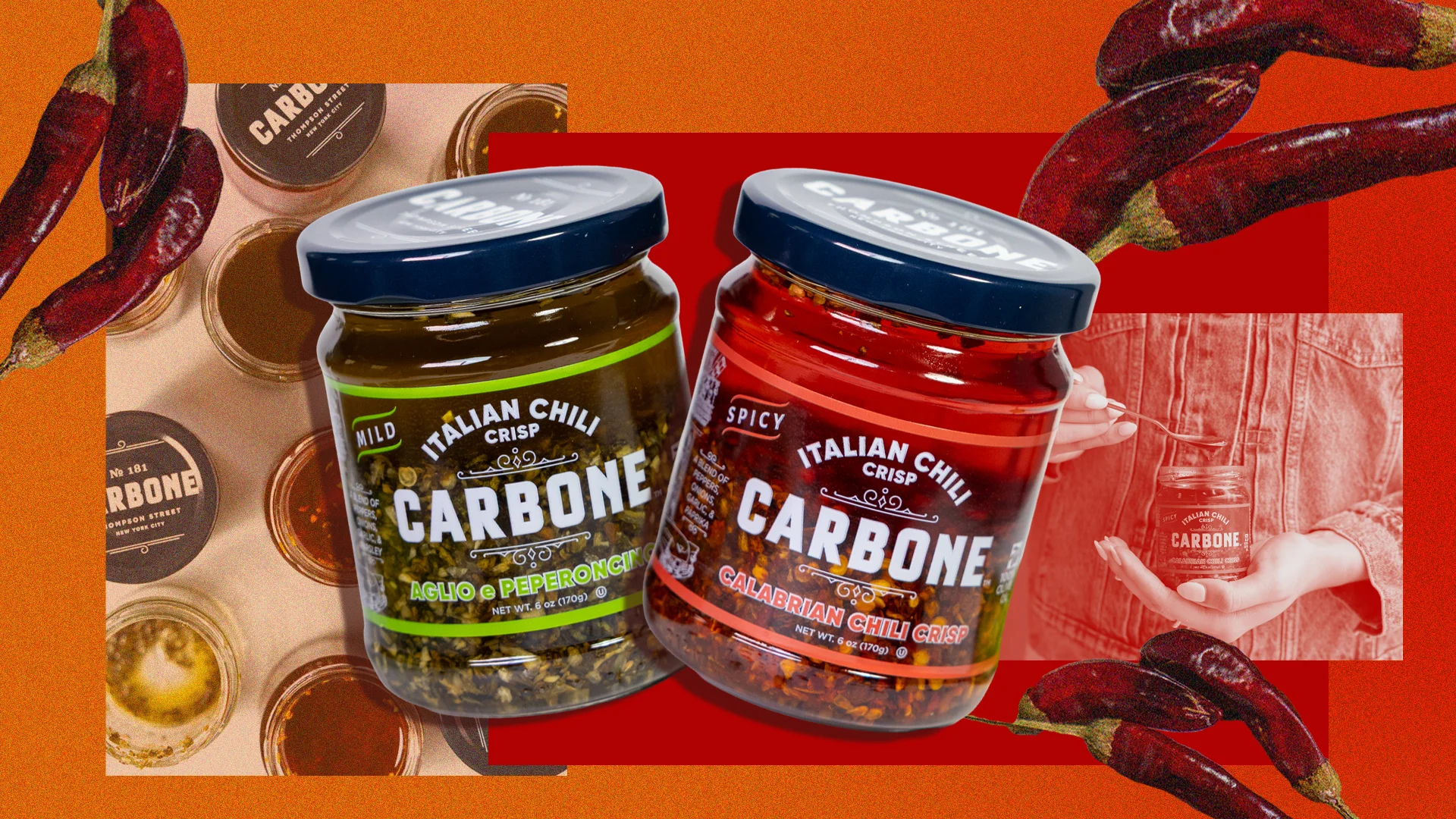
Carbone Fine Food's new Italian-inspired chili crisp launch highlights an explosive global trend as brands reimagine traditional Asian condiments with unique cultural twists.
Source image: inc.com
inc.comThe Evolution of a Global Condiment Phenomenon
For decades, chili crisp remained a beloved staple quietly sitting on tables in authentic Asian eateries and specialized import shops. Over the past ten years, however, visionary entrepreneurs and culinary disruptors transformed the texture-heavy hot oil condiment into a mainstream American obsession. Brands such as Fly By Jing and Momofuku Goods successfully captured mass market attention, proving that modern consumers crave complex flavor profiles characterized by crunch, heat, and aromatic depth.
Today, the market is entering an entirely new phase of expansion. Rather than simply replicating traditional Sichuan and Guizhou recipes, food innovators are infusing the beloved chili crisp format with localized ingredients from entirely different culinary traditions. This wave of cross-cultural adaptation is redefining specialty food aisles and unlocking fresh revenue streams for agile food and beverage brands.
Carbone Leads the Italian-Inspired Charge
A prime example of this evolution is the recent strategic move by Carbone Fine Food. The packaged food arm of the celebrated New York City restaurant group recently introduced an Italian-inspired take on chili crisp, featuring distinct Calabrian chili and garlic-forward variants. According to company leadership, the launch is designed to leverage a format consumers already adore while injecting a sophisticated Italian point of view rooted in the brand's fine-dining heritage.
Key elements of the current market shift include:
- Cross-Cultural Adaptation: Brands are blending chili crisp oil bases with region-specific elements like Calabrian peppers, Mexican spices, and Indian aromatics.
- Chef-Driven Credibility: Premium restaurants are leveraging their culinary pedigree to validate packaged goods and capture higher retail price points.
- Versatility as a Growth Driver: The condiment's widespread appeal across varied foods—from pizza and pasta to eggs and sandwiches—broadens its total addressable market.
Market Implications and Competitive Landscape
For investors and executives tracking the packaged consumer goods sector, the explosion of globalized chili crisp variations signals a broader appetite for premium, experiential condiments. Traditional pantry staples face margin compression, whereas high-margin, artisanal condiments that deliver a multi-sensory experience continue to command strong consumer loyalty and robust retail velocities.
Furthermore, this trend opens doors for both emerging startups and established food giants. As boutique players test niche international profiles—such as Mexican-influenced or smoked-pepper variants—major conglomerates are closely evaluating acquisition targets that can instantly inject product portfolio innovation and cultural relevance.
What Investors Should Watch
As this category matures, stakeholders should monitor several crucial performance indicators:
- Retail Shelf Space Competition: Watch how major grocery retailers manage inventory allocation as dozens of new independent brands flood the condiment aisle.
- Supply Chain Resilience: Sourcing specialized global ingredients like Calabrian or Sichuan peppers at scale without compromising quality or profit margins.
- M&A Activity: Anticipate potential acquisitions by major food corporations looking to absorb fast-growing, trend-forward condiment brands.
Ultimately, the evolution of chili crisp from a regional specialty into a blank canvas for global fusion demonstrates the power of culinary innovation. For savvy investors, the trend underscores a broader lesson: consumer preferences are increasingly defined by flavor complexity, adaptability, and authentic storytelling.
Continue reading
Related coverage in Business
nytimes.com
David Ellison Targets CNN Leadership Continuity in Paramount Merger Talks
David Ellison is currently negotiating to retain CNN CEO Mark Thompson without oversight from CBS editor in chief Bari Weiss as parent companies navigate merger plans.
2 min read
bbc.com
Decoding Nike’s Slump: How Strategic Missteps Cost the Sportswear Titan Its Edge
Explore the factors behind Nike's dramatic market decline. Industry analysts dissect the self-inflicted strategic errors that shook the sportswear giant.
3 min read
bbc.com
Treasury Committee Directs HMRC to Investigate Tax Implications of Manchester City Case
The UK Treasury Committee has called on HMRC to closely examine potential tax ramifications arising from the high-profile Manchester City legal verdict.
3 min read
nytimes.com
US Imposes Sanctions on Russian Firm A7 Over Global Shell Company Evasion Schemes
The United States targets Russian financial firm A7 with new sanctions following reports of utilizing global shell companies to bypass existing economic restrictions.
3 min read