Geopolitical Tensions Ignite Oil Markets: Iran's Strait of Hormuz Maneuvers Send Prices Soaring
Oil prices surged following reports of Iranian military actions in the Strait of Hormuz, raising critical questions about global energy security and supply chain stability.
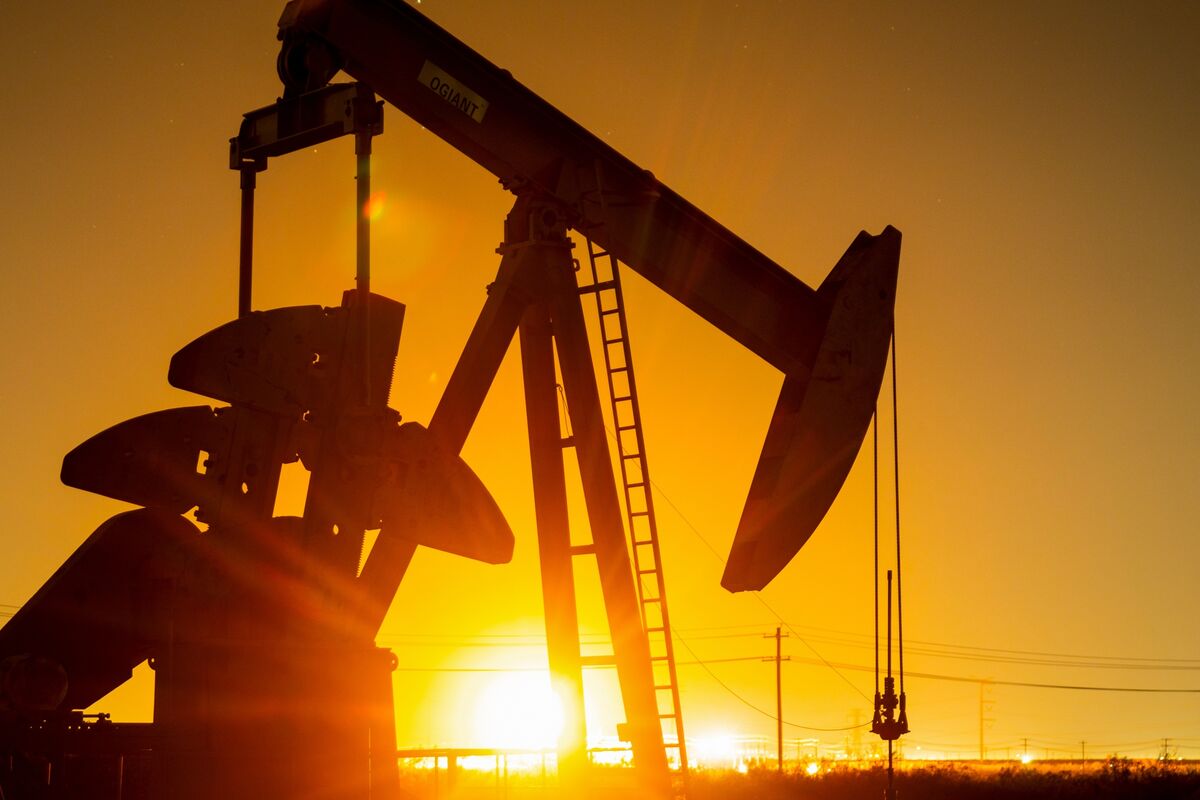
Source image: bloomberg.com
bloomberg.comGeopolitical Tensions Ignite Oil Markets: Iran's Strait of Hormuz Maneuvers Send Prices Soaring
The global oil market experienced a significant jolt today, with crude prices extending their gains following alarming reports from the Strait of Hormuz. Iran's military reportedly engaged “hostile targets” within this critical maritime chokepoint, a move that has immediately heightened geopolitical tensions and raised serious concerns about the stability of global energy supplies. Concurrently, Tehran is said to be pursuing an agreement with Oman aimed at barring U.S. ships from the vital waterway, a development that, if realized, would have profound implications for international trade and naval operations.
The Strait of Hormuz is arguably the world's most important oil transit chokepoint, with approximately one-fifth of the world's total oil consumption, and a significant portion of its liquefied natural gas (LNG), passing through its narrow waters daily. Any disruption, or even the credible threat of disruption, in this area can trigger immediate and substantial reactions in global energy markets. Today's price surge is a direct reflection of this inherent vulnerability, as traders and investors price in the increased risk of supply interruptions.
Understanding the Context and Implications
This latest escalation comes amidst a complex backdrop of regional rivalries and international diplomacy. Iran has historically leveraged its strategic position along the Strait of Hormuz as a point of geopolitical leverage, particularly in times of heightened tensions with Western powers. The reported engagement with “hostile targets” could be interpreted as a demonstration of force, a warning, or a response to perceived threats. The pursuit of an agreement with Oman to restrict U.S. naval access further underscores Iran's intent to assert greater control over the waterway. Such a move would challenge established international maritime conventions and could precipitate a significant diplomatic crisis.
For the financial markets, the immediate impact is evident in the upward trajectory of oil prices. Higher oil prices translate to increased costs for businesses and consumers globally, potentially fueling inflation and dampening economic growth. Industries heavily reliant on oil, such as transportation, manufacturing, and petrochemicals, will face elevated operational expenses. Furthermore, the uncertainty generated by these events can lead to broader market volatility, with investors seeking safe-haven assets.
What This Means for Investors
Investors in the energy sector, and indeed across all markets, must closely monitor these developments. The current situation highlights several key considerations:
- Increased Volatility: Geopolitical events in the Middle East are a perennial source of volatility in oil markets. Investors should anticipate continued price swings as the situation evolves.
- Supply Chain Risk: Companies with extensive global supply chains, particularly those dependent on maritime shipping through the Middle East, may face disruptions and increased freight costs.
- Inflationary Pressures: Sustained higher oil prices contribute to inflationary pressures, which could influence central bank policies and interest rate decisions globally.
- Diversification and Hedging: This event underscores the importance of diversified portfolios and, for those with significant exposure to energy or related sectors, considering hedging strategies to mitigate risk.
- Long-Term Energy Strategy: The recurring nature of these geopolitical risks may accelerate the transition towards alternative energy sources and reinforce the strategic importance of energy independence for nations.
The Networth Index advises its readers to remain vigilant. While the immediate focus is on oil prices, the broader implications for global trade, international relations, and economic stability are substantial. We will continue to provide in-depth analysis as this critical situation unfolds, helping our executive and investor readership navigate these turbulent waters.
Continue reading
Related coverage in Business
nytimes.com
David Ellison Targets CNN Leadership Continuity in Paramount Merger Talks
David Ellison is currently negotiating to retain CNN CEO Mark Thompson without oversight from CBS editor in chief Bari Weiss as parent companies navigate merger plans.
2 min read
bbc.com
Decoding Nike’s Slump: How Strategic Missteps Cost the Sportswear Titan Its Edge
Explore the factors behind Nike's dramatic market decline. Industry analysts dissect the self-inflicted strategic errors that shook the sportswear giant.
3 min read
bbc.com
Treasury Committee Directs HMRC to Investigate Tax Implications of Manchester City Case
The UK Treasury Committee has called on HMRC to closely examine potential tax ramifications arising from the high-profile Manchester City legal verdict.
3 min read
nytimes.com
US Imposes Sanctions on Russian Firm A7 Over Global Shell Company Evasion Schemes
The United States targets Russian financial firm A7 with new sanctions following reports of utilizing global shell companies to bypass existing economic restrictions.
3 min read