FTC and 22 States Accuse Amazon of Rigging Ad Auctions in $20 Billion Monopoly Lawsuit
Federal regulators and 22 state attorneys general have filed a landmark lawsuit against Amazon, alleging a seven-year scheme that artificially inflated ad prices by over $20 billion.
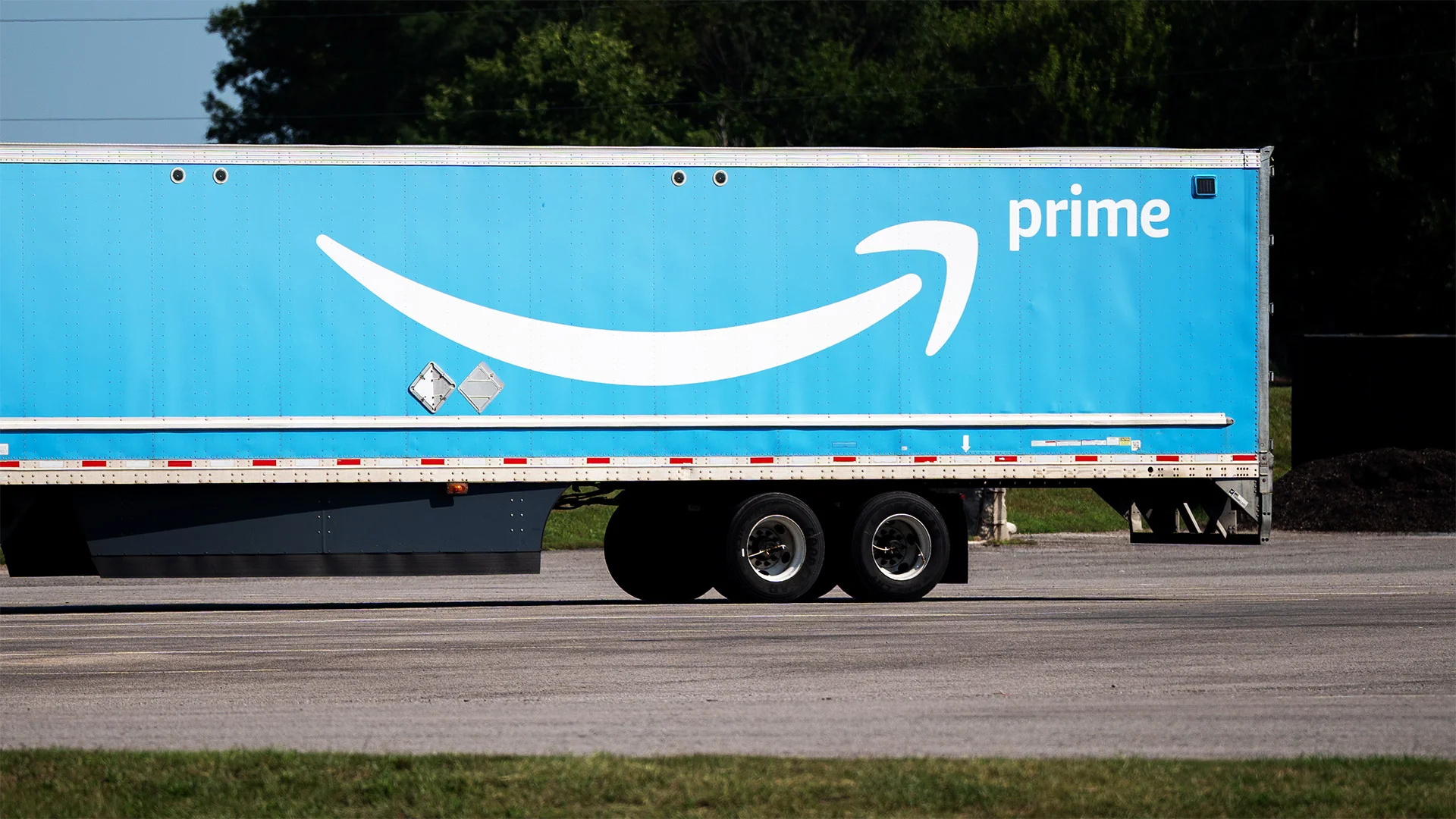
Source image: inc.com
inc.comRegulators Target Amazon's High-Margin Ad Engine
In a sweeping legal challenge that threatens to fundamentally reshape Big Tech monetization practices, the Federal Trade Commission (FTC) alongside 22 state attorneys general has filed a major federal lawsuit against Amazon. The legal action centers on accusations that the e-commerce titan secretly rigged its digital advertising auctions—a core profit driver for the firm—costing merchants an estimated $20 billion in hidden overcharges since 2018.
The comprehensive complaint details how Amazon allegedly deployed a proprietary pricing mechanism known internally as a 'soft reserve.' By quietly injecting its own artificial floor into ad placement auctions, the platform allegedly forced third-party sellers to pay inflated rates for Sponsored Products, Sponsored Brands, and Sponsored Display placements while publicly maintaining that market competition dictated final pricing.
Mechanics of the Alleged Scheme
According to regulatory findings, the deceptive mechanism allowed Amazon to extract maximum capital from approximately 1.2 million U.S. advertisers, including over half a million small and medium-sized businesses. Key structural insights from the filing include:
- The 'Soft Reserve' Protocol: Amazon allegedly integrated internal benchmark bids that bypassed traditional second-price auction logic, compelling winners to pay higher premiums.
- Targeted Execution: The intervention was strategically deployed during high-traffic shopping periods—such as peak holiday seasons—driving up pay-per-click costs by as much as 50 percent.
- Internal Secrecy: Executives reportedly tracked the resulting surplus revenue explicitly as 'surcharges,' consciously restricting institutional awareness to prevent merchant backlash.
Market Implications and Financial Repercussions
The financial and strategic stakes for Amazon are immense. Advertising represents one of the corporation's fastest-growing and most lucrative revenue segments, pulling in roughly $68 billion annually and positioning Amazon as a dominant third pillar in the global digital ad ecosystem alongside Alphabet and Meta.
Market reaction was swift, with institutional investors reacting cautiously as regulatory overhang deepens. This lawsuit marks the third major federal litigation confronting Amazon, compounding ongoing scrutiny over its Prime subscription retention tactics and broader monopoly practices. For enterprise competitors and digital marketing agencies, the case highlights a growing regulatory intolerance for opaque auction dynamics across major tech platforms.
What Investors Should Monitor Closely
As this high-stakes legal battle moves through the U.S. District Court for the Western District of Washington, market participants and stakeholders should track several critical developments:
- Potential Financial Remediation: The extent to which courts pursue civil penalties, restitution, or mandatory changes to Amazon's ad pricing algorithms.
- Corporate Margin Compression: Potential impacts on Amazon's high-margin advertising growth trajectory if structural auction reforms are legally mandated.
- Broad Antitrust Precedents: Potential spillover effects on other dominant digital advertising ecosystems facing concurrent federal scrutiny, including Google and Meta.
Ultimately, the outcome of this litigation will redefine governance standards for platform-operated marketplaces, establishing vital legal precedents regarding transparency, digital auctions, and corporate fiduciary duty to commercial users.
Continue reading
Related coverage in Business
nytimes.com
David Ellison Targets CNN Leadership Continuity in Paramount Merger Talks
David Ellison is currently negotiating to retain CNN CEO Mark Thompson without oversight from CBS editor in chief Bari Weiss as parent companies navigate merger plans.
2 min read
bbc.com
Decoding Nike’s Slump: How Strategic Missteps Cost the Sportswear Titan Its Edge
Explore the factors behind Nike's dramatic market decline. Industry analysts dissect the self-inflicted strategic errors that shook the sportswear giant.
3 min read
bbc.com
Treasury Committee Directs HMRC to Investigate Tax Implications of Manchester City Case
The UK Treasury Committee has called on HMRC to closely examine potential tax ramifications arising from the high-profile Manchester City legal verdict.
3 min read
nytimes.com
US Imposes Sanctions on Russian Firm A7 Over Global Shell Company Evasion Schemes
The United States targets Russian financial firm A7 with new sanctions following reports of utilizing global shell companies to bypass existing economic restrictions.
3 min read