From Social Media Backlash to Retail Profit: How a Nantucket Guild Capitalized on ‘No Influencers’ Signage
Discover how a historic Nantucket antique store transformed viral internet outrage over a controversial anti-influencer sign into a lucrative new product line.
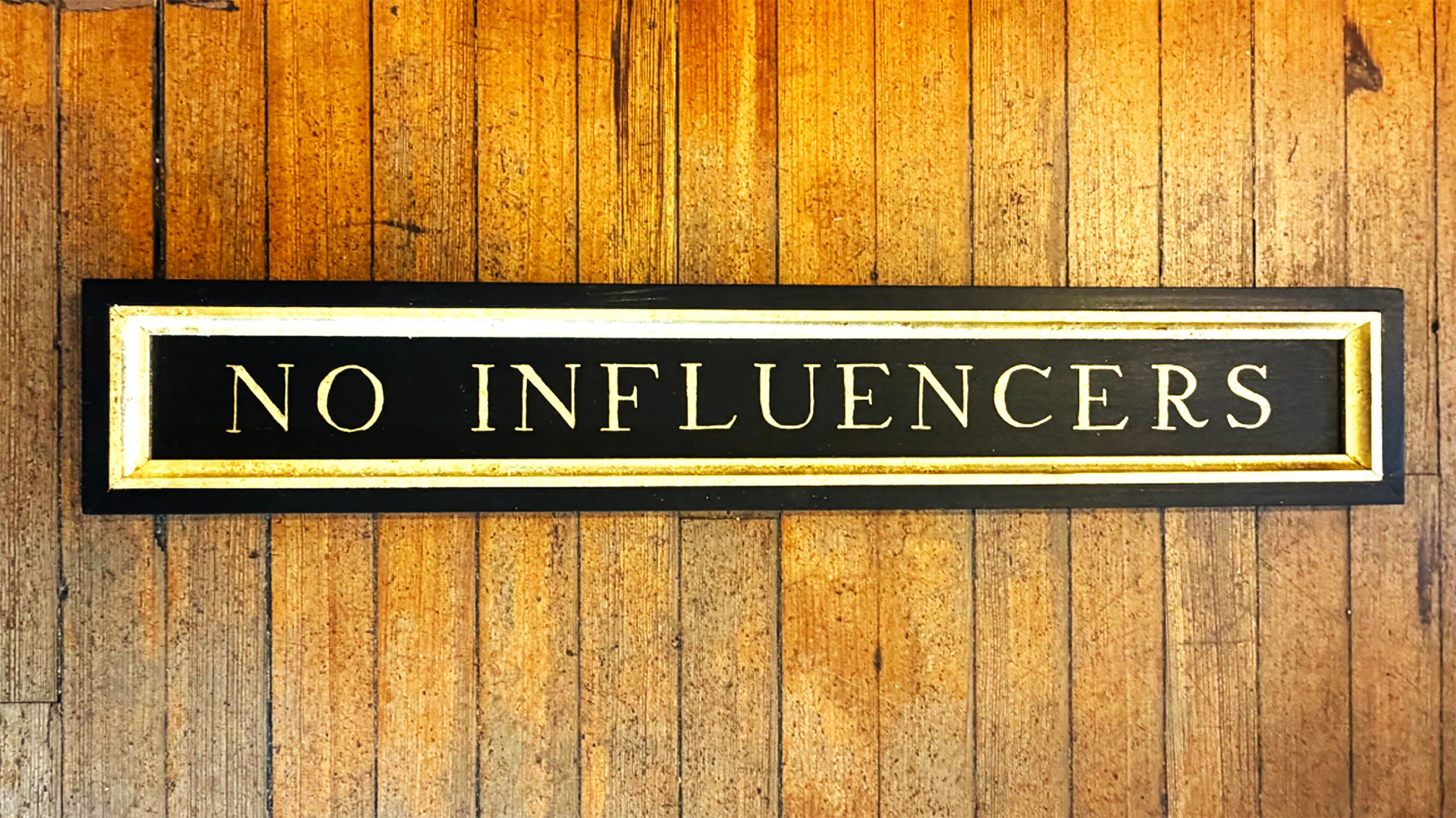
Source image: inc.com
inc.comNavigating the Fault Lines of Modern Retail and Social Media
In an era where digital visibility can make or break a small business overnight, one historic merchant on Nantucket has chosen a radically different path. The Four Winds Craft Guild, a venerated boutique trading in handcrafted baskets, scrimshaw, and nautical artifacts since 1948, found itself at the epicenter of a nationwide cultural debate. What began as a tongue-in-cheek grievance regarding store congestion and unauthorized filming quickly morphed into a high-stakes public relations battle between traditional merchants and the modern creator economy.
Rather than retreating from the ensuing controversy, the guild’s leadership orchestrated a masterclass in turning negative sentiment into tangible enterprise revenue. By capitalizing on the viral momentum, the shop successfully transitioned a localized store policy into a widespread commercial commodity, proving that notoriety—even when polarizing—can be aggressively monetized in the current retail climate.
Anatomy of a Viral Controversy
The friction originated during peak summer tourist season when Four Winds displayed a newly commissioned wooden sign bearing two blunt words: “No Influencers.” According to store operators, the measure was enacted to combat a growing trend of content creators treating tight-knit historical spaces as personal studio backdrops, frequently blocking aisles with recording equipment and demonstrating little appreciation for the historical heritage of the merchandise.
The situation escalated rapidly after a photograph of the sign was posted to social media. High-profile influencers, most notably lifestyle entrepreneur Paige Lorenze—whose brand operates a boutique just blocks away—publicly condemned the measure. Critics framed the sign as an attack on the burgeoning creator economy, arguing that digital creators provide vital, unpaid promotional horsepower for independent regional economies. Conversely, traditionalists and everyday consumers rallied behind the shop, expressing exhaustion over the increasing commercialization and staging of public spaces.
Turning Backlash into Balance Sheet Growth
Rather than issuing corporate apologies or scrubbing their digital footprint, the leadership at Four Winds leaned directly into the discourse. Recognizing strong underlying demand from consumers weary of pervasive social media intrusion, the guild commissioned hundreds of physical, handmade replicas of the original sign to offer for sale.
The financial response was immediate. The initial inventory of replica signs moved rapidly, transforming an ideological dispute into an unexpected revenue stream. Key commercial outcomes include:
- Monetizing Controversy: Converting digital outrage into physical product sales, effectively hedging against potential consumer boycotts with enthusiastic counter-support.
- Brand Positioning: Cementing the store's identity as an unapologetically traditional, authentic institution that prioritizes physical clientele over algorithmic approval.
- Organic Market Reach: Generating widespread earned media coverage across major financial and lifestyle publications without allocating capital to traditional advertising channels.
Broader Market Implications for Brick-and-Mortar Establishments
The Four Winds incident highlights a deeper, structural tension within modern retail. As experiential retail struggles to balance authentic customer service with the demands of digital content creation, business owners are increasingly forced to define clear boundaries. For investors and executives, this event underscores several vital shifts in consumer behavior:
Consumers are showing fatigue with hyper-curated, performative spaces. Retailers that successfully protect the physical comfort and privacy of their clientele can cultivate intensely loyal brand communities, even if it alienates segments of the digital ecosystem. Furthermore, agile independent businesses can outmaneuver traditional PR crises by pivoting quickly to consumer sentiment.
What Investors and Executives Should Watch
As the line between physical commerce and digital content creation continues to blur, stakeholders should monitor how independent retailers manage spatial friction. Key indicators to watch include:
- The implementation of formal, paid commercial photography policies versus outright bans in high-end retail sectors.
- The evolution of consumer sentiment regarding 'anti-influencer' branding as a badge of authenticity.
- The potential for regulatory or local municipal friction as small-business districts grapple with overcrowding driven by viral social media promotion.
Ultimately, the Four Winds Craft Guild has demonstrated that standing apart from the dominant digital current can yield unexpected commercial dividends. For astute business leaders, the takeaway is clear: authenticity, when fiercely defended, remains a potent currency in an oversaturated market.
Continue reading
Related coverage in Business
nytimes.com
David Ellison Targets CNN Leadership Continuity in Paramount Merger Talks
David Ellison is currently negotiating to retain CNN CEO Mark Thompson without oversight from CBS editor in chief Bari Weiss as parent companies navigate merger plans.
2 min read
bbc.com
Decoding Nike’s Slump: How Strategic Missteps Cost the Sportswear Titan Its Edge
Explore the factors behind Nike's dramatic market decline. Industry analysts dissect the self-inflicted strategic errors that shook the sportswear giant.
3 min read
bbc.com
Treasury Committee Directs HMRC to Investigate Tax Implications of Manchester City Case
The UK Treasury Committee has called on HMRC to closely examine potential tax ramifications arising from the high-profile Manchester City legal verdict.
3 min read
nytimes.com
US Imposes Sanctions on Russian Firm A7 Over Global Shell Company Evasion Schemes
The United States targets Russian financial firm A7 with new sanctions following reports of utilizing global shell companies to bypass existing economic restrictions.
3 min read