From Paychecks to Portfolios: How Equity Ownership is Redefining Athlete Endorsements
Four decades after Michael Jordan transformed sports economics, modern stars like WNBA standout Aliyah Boston are swapping flat endorsement fees for equity stakes, reshaping athlete-brand partnerships.
Source image: inc.com
inc.comThe Evolution of Athlete Wealth: From Laborer to Owner
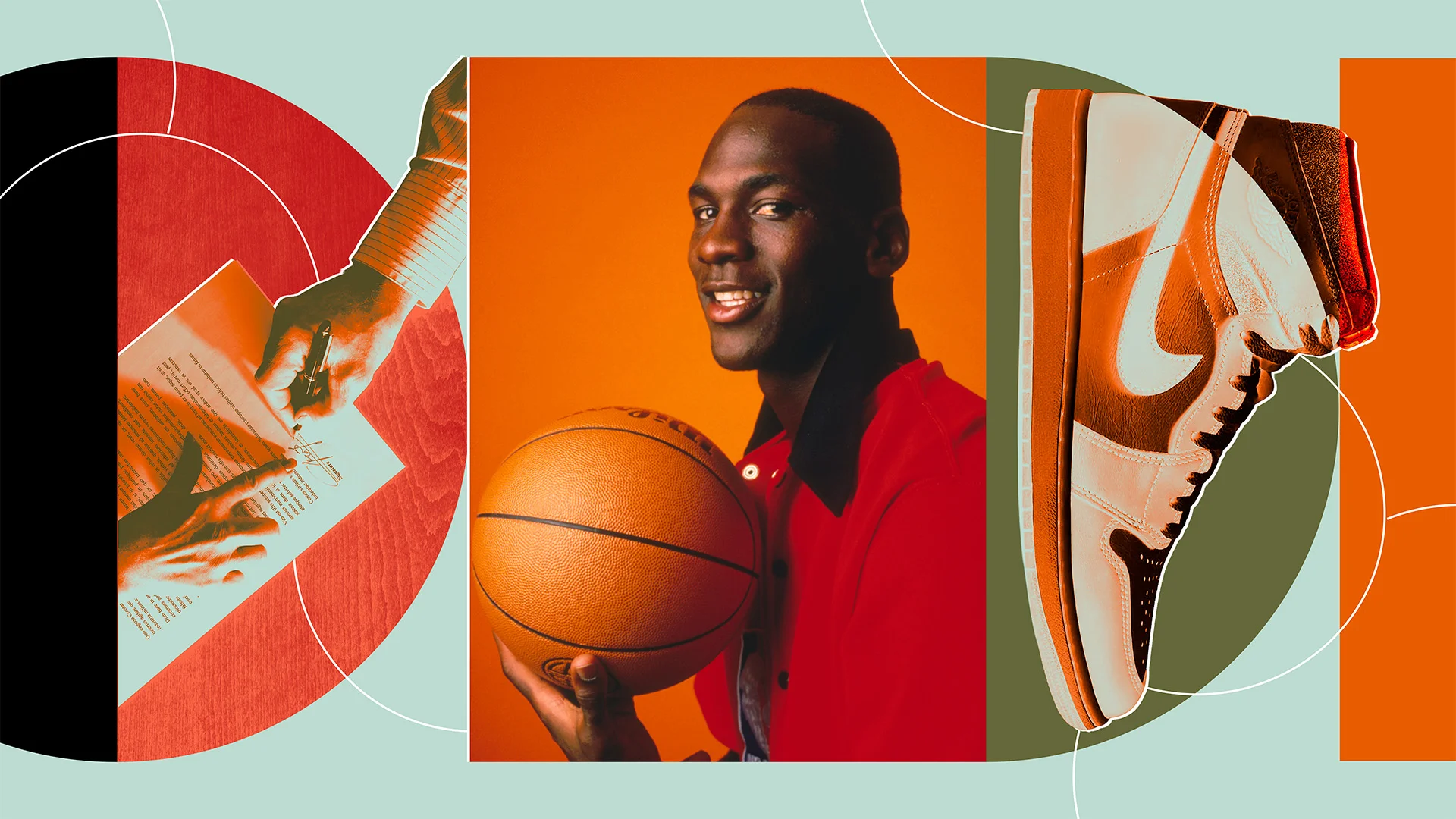
For decades, professional athletes operated strictly on the traditional employment treadmill. No matter how dominant an individual was on the court or field, their financial upside remained bound to fixed salaries and short-term promotional contracts. The paradigm shifted indelibly in 1984, when a rookie named Michael Jordan and his representatives negotiated a revolutionary royalty structure with a struggling Nike. By accepting a percentage of sales rather than a standard flat fee, Jordan unlocked the ultimate financial multiplier, proving that athletes could accumulate generational wealth by owning a slice of the commercial apparatus they helped build.
Today, that foundational blueprint has evolved past signature sneakers into the broader startup and venture ecosystem. Modern sports stars are no longer satisfied with acting as temporary billboards; they want equity, governance alignment, and long-term capital appreciation. This transformation is reshaping how early-stage companies secure high-profile backing and how athletes secure their post-playing financial futures.
The Aliyah Boston Playbook: A Case Study in Modern Alignment
The shifting dynamics of athlete compensation are vividly illustrated by Indiana Fever center Aliyah Boston and her strategic equity partnership with Sequel, an innovative feminine care startup. Rather than executing a standard endorsement contract where a celebrity promotes a product for a predetermined cash fee, Boston initiated a direct dialogue with the brand—which was already an official sponsor of her WNBA franchise—to negotiate an ownership stake.
In exchange for promotional campaigns and authentic social media advocacy, Boston acquired equity, transitioning from a hired spokesperson to a co-owner. This collaborative framework ensures absolute incentive alignment. The brand gains immediate credibility, high-visibility experiential activations, and access to a deeply engaged demographic, while the athlete secures a scalable asset that appreciates alongside the company's valuation.
Key Drivers Fueling the Athlete-Ownership Wave
- Desire for Asymmetric Upside: Traditional endorsement fees are subject to heavy taxation and finite expiration dates. Equity ownership offers compounding, long-term capital gains that outlast an athletic career.
- Authentic Brand Synergy: Modern consumers and fans can easily spot transactional endorsements. Equity partnerships force athletes to back products and services they genuinely utilize and believe in.
- Rise of Alternative Asset Classes: Athletes are increasingly allocating their personal capital and influence toward venture capital, women's sports franchises, and high-growth health tech startups.
- Direct-to-Consumer Leverage: With massive digital footprints and dedicated social media followings, athletes possess localized media channels that reduce reliance on traditional advertising agencies.
Market Implications and Investor Takeaways
For venture capitalists, angel investors, and startup founders, the proliferation of athlete-owners introduces a powerful new growth channel. Integrating high-profile talent directly into the cap table can instantly supercharge customer acquisition and provide unmatched market validation. However, this trend also demands rigorous corporate governance. Founders must carefully evaluate whether an incoming athlete-partner is prepared to offer genuine strategic value and active participation, or if they are simply looking to harvest quick PR value without meaningful contribution.
As this movement accelerates across both men's and women's professional sports leagues, financial analysts note that the boundary between celebrity endorsement and venture investing will continue to blur. Investors should watch closely how athlete-backed startups perform relative to traditionally funded peers, particularly regarding customer retention and organic brand trust.
Continue reading
Related coverage in Business
nytimes.com
David Ellison Targets CNN Leadership Continuity in Paramount Merger Talks
David Ellison is currently negotiating to retain CNN CEO Mark Thompson without oversight from CBS editor in chief Bari Weiss as parent companies navigate merger plans.
2 min read
bbc.com
Decoding Nike’s Slump: How Strategic Missteps Cost the Sportswear Titan Its Edge
Explore the factors behind Nike's dramatic market decline. Industry analysts dissect the self-inflicted strategic errors that shook the sportswear giant.
3 min read
bbc.com
Treasury Committee Directs HMRC to Investigate Tax Implications of Manchester City Case
The UK Treasury Committee has called on HMRC to closely examine potential tax ramifications arising from the high-profile Manchester City legal verdict.
3 min read
nytimes.com
US Imposes Sanctions on Russian Firm A7 Over Global Shell Company Evasion Schemes
The United States targets Russian financial firm A7 with new sanctions following reports of utilizing global shell companies to bypass existing economic restrictions.
3 min read