From Gridiron to Global Markets: How Ryan Kalil Built a Masterclass in Athlete-Turned-Entrepreneur Transitions
Former NFL All-Pro Ryan Kalil shares how early preparation, humble leadership, and an overlooked sports market in Mexico fueled his blueprint for post-athletic success.
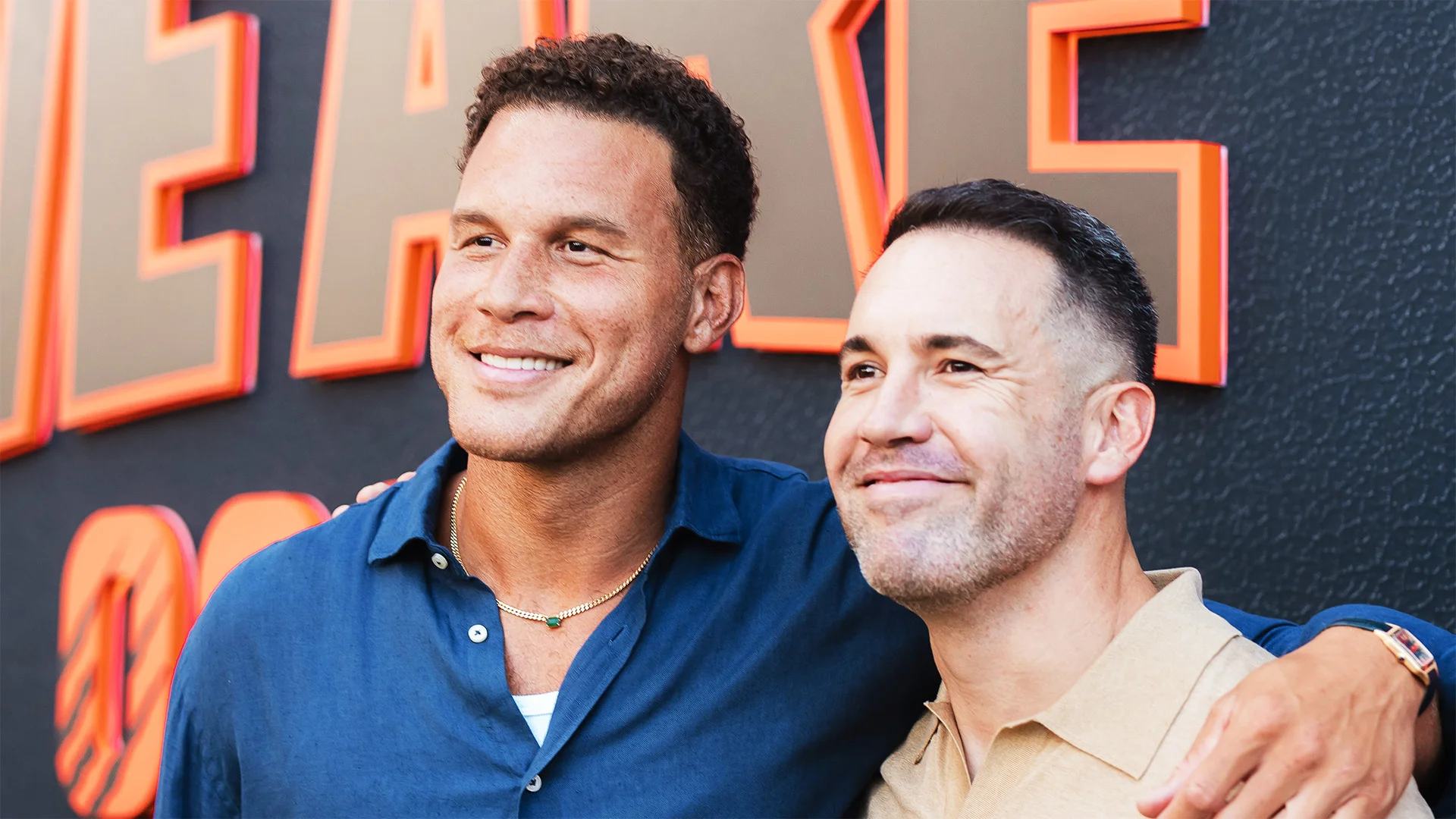
Source image: inc.com
inc.comThe Anatomy of the Post-Athletic Transition Crisis
For many elite professional athletes, the departure from competitive sports marks the beginning of a silent economic and psychological crisis. Having spent decades mastering physical performance, cognitive processing under pressure, and highly specialized motor skills, these individuals frequently step into the corporate arena completely unprepared. Former Carolina Panthers Pro Bowl center Ryan Kalil had a front-row seat to this predictable phenomenon during his storied NFL career.
Surrounding himself with veteran mentors who navigated the choppy waters of retirement before him, Kalil observed both successful transitions and catastrophic failures. He recognized early on that athletic excellence does not inherently translate into commercial acumen. The discipline required to execute a block or read a defensive scheme does not directly equate to managing a balance sheet, leading a corporate team, or evaluating market risk. Without proactive preparation, many high-earning athletes find themselves stranded in professional limbo.
Building the Playbook Before the Final Whistle
Recognizing the vulnerability inherent in a sudden career cliff, Kalil adopted an investor and builder mindset years before hanging up his cleats. Instead of treating his playing days as an isolated chapter, he utilized his platform to forge strategic relationships, study business mechanics, and cultivate a deep appreciation for media production. In 2016, alongside NBA All-Star Blake Griffin, he co-founded Mortal Media, a Los Angeles-based entertainment production company designed to bridge sports culture with compelling narrative content.
This early foundation taught Kalil a humbling lesson crucial for any nascent entrepreneur: the necessity of shedding ego. Stepping away from the center of the athletic universe meant confronting steep knowledge gaps in media finance, distribution, and corporate governance. For executives and founders across all industries, Kalil’s trajectory underscores the importance of intellectual humility—acknowledging what you do not know and surrounding yourself with domain experts who can bridge those gaps.
Unlocking Overlooked Value in International Sports Markets
Kalil’s most ambitious commercial play to date centers on an unlikely geography: the burgeoning professional American football landscape in Mexico. Alongside Griffin and a heavy-hitting syndicate of active and retired sports luminaries—including Christian McCaffrey, George Kittle, Luke Kuechly, and Greg Olsen—Kalil acquired a controlling stake in the Monterrey-based franchise, rebranded as Osos Monterrey, competing in Mexico’s Liga de Fútbol Americano (LFA).
The strategic rationale behind the acquisition is rooted in macroeconomic scale rather than vanity. Mexico boasts over 30 million ardent NFL fans, positioning it as one of the most lucrative and passionate international expansion markets for American football. However, rather than viewing the venture as a passive portfolio addition, Kalil and his partners recognized a unique arbitrage opportunity: players working conventional day jobs while playing professional football purely out of dedication, supported by a ravenous local fan base.
Strategic Implications for Modern Media and Investors
The operational framework deployed by Kalil offers several key takeaways for market analysts, institutional investors, and startup founders:
- Direct-to-Consumer Distribution: Rather than relying exclusively on legacy streaming gatekeepers, Kalil utilized YouTube-first distribution models for projects like the docuseries We Are Osos to secure unmediated relationships with global audiences.
- Asset Ownership over Endorsements: Moving from traditional athlete-brand endorsement deals to direct equity ownership allows modern sports entrepreneurs to capture long-term enterprise value and shape strategic direction.
- Capitalizing Underserved Demographics: Identifying international geographies where cultural passion outpaces local commercial infrastructure provides high-growth investment windows for proactive operators.
What Investors and Executives Should Watch
As Kalil and his co-investors continue to scale Osos Monterrey and expand their media portfolio, market participants should monitor how alternative international sports leagues leverage American media playbooks to drive secondary market valuations. The convergence of cross-border sports investments, alternative content distribution, and athlete-led corporate governance is redefining how value is generated at the intersection of entertainment and athletics. For investors, the ultimate lesson from Kalil’s second act is clear: sustainable enterprise value belongs to those who build their infrastructure long before the market demands it.
Continue reading
Related coverage in Business
nytimes.com
David Ellison Targets CNN Leadership Continuity in Paramount Merger Talks
David Ellison is currently negotiating to retain CNN CEO Mark Thompson without oversight from CBS editor in chief Bari Weiss as parent companies navigate merger plans.
2 min read
bbc.com
Decoding Nike’s Slump: How Strategic Missteps Cost the Sportswear Titan Its Edge
Explore the factors behind Nike's dramatic market decline. Industry analysts dissect the self-inflicted strategic errors that shook the sportswear giant.
3 min read
bbc.com
Treasury Committee Directs HMRC to Investigate Tax Implications of Manchester City Case
The UK Treasury Committee has called on HMRC to closely examine potential tax ramifications arising from the high-profile Manchester City legal verdict.
3 min read
nytimes.com
US Imposes Sanctions on Russian Firm A7 Over Global Shell Company Evasion Schemes
The United States targets Russian financial firm A7 with new sanctions following reports of utilizing global shell companies to bypass existing economic restrictions.
3 min read