From Grand Slams to Wealth Management: Tennis Star Gaël Monfils Pivots to Swiss Finance
Retiring tennis icon Gaël Monfils is trading the court for corporate finance, signing on with a Swiss wealth management firm for his next career chapter.
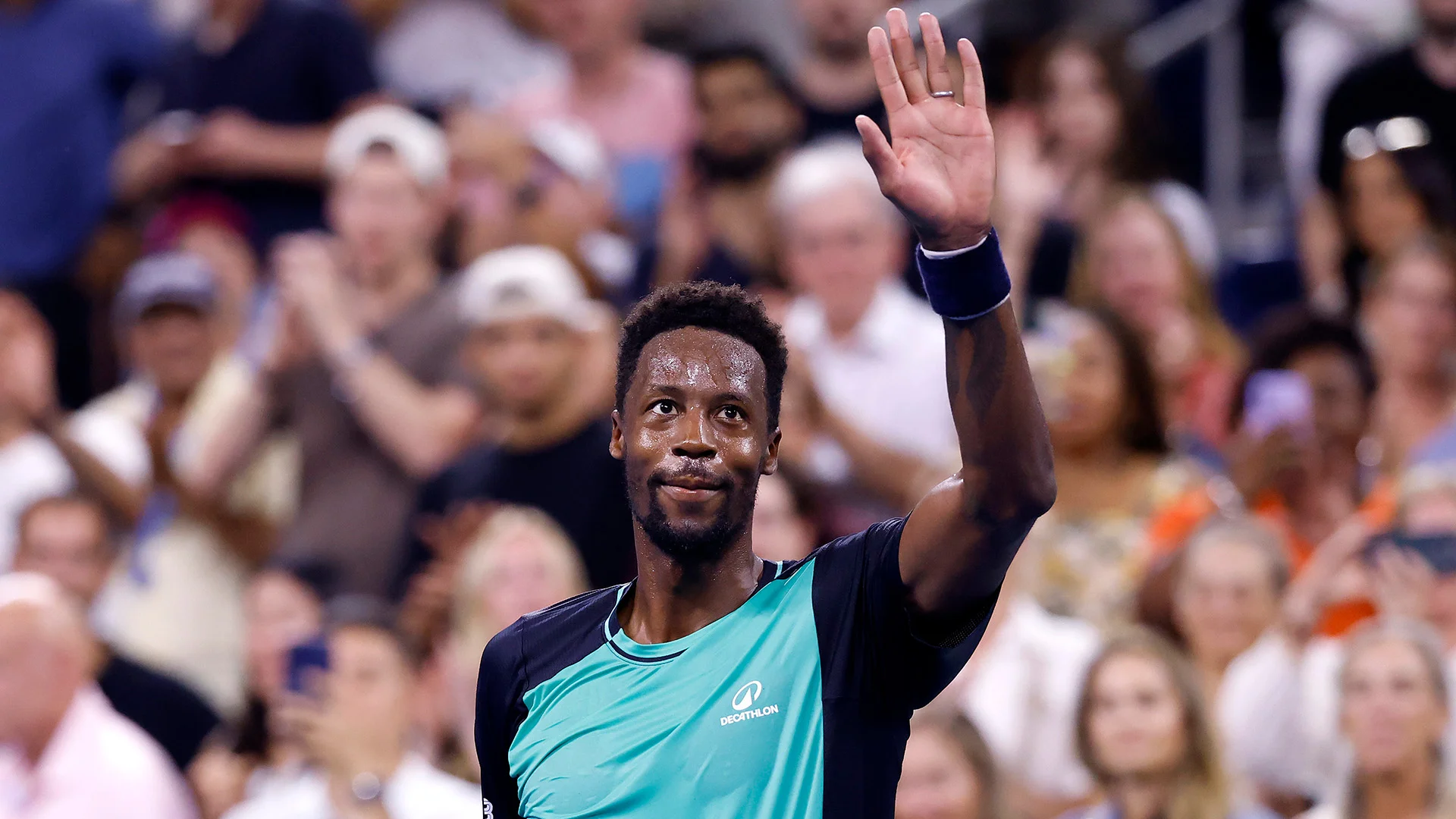
Source image: inc.com
inc.comA Surprising Transition to Corporate Wealth Management
As the final chapter of a storied professional sports career unfolds, French tennis star Gaël Monfils is preparing to trade his athletic kit for a tailored suit. Following his emotional exit from the US Open, the 40-year-old former world No. 6 confirmed that he has officially signed with a prominent Swiss wealth management firm to embark on a full-time corporate career. While most elite athletes gravitate toward coaching, media punditry, or brand ambassadorships upon retirement, Monfils is setting his sights firmly on the complex world of international finance.
The move is far from a spontaneous retirement hobby. Over the past several years, while battling various injuries and managing his ATP tour schedule, Monfils quietly laid the groundwork for his transition. He completed rigorous private banking internships, studied client relations, and dedicated countless hours to mastering financial theories through specialized coursework. This calculated educational trajectory reflects a disciplined mindset that contrasts sharply with his energetic, high-flying persona on the tennis court.
Behind the Showman Persona: Precision and Discipline
To the millions of fans who cheered for 'La Monf' across the globe, Monfils was known as an ultimate entertainer—a player capable of breathtaking athletic feats, diving volleys, and theatrical shot-making. However, the veteran athlete insists that his public-facing persona represents only a fraction of his character. Away from the stadium lights, Monfils describes himself as a structured perfectionist who thrives on order, strict organization, and immediate execution.
- Academic Preparation: Monfils pursued financial studies and completed multiple private-bank internships well before officially announcing his retirement.
- Corporate Alignment: His future role in Swiss wealth management will utilize his personal insights into high-net-worth asset preservation and client relationship building.
- Strategic Focus: The transition underscores a growing trend among elite sports figures who leverage their capital literacy to build enduring corporate portfolios.
Broader Market Implications and Executive Significance
Monfils’ high-profile transition highlights a broader evolution in how elite athletes manage their post-career trajectories. Having accumulated substantial career earnings and navigated global financial systems over twenty years, top-tier competitors increasingly view wealth advisory, private equity, and asset management as viable long-term industries. High-net-worth individuals entering the wealth management sector often bring invaluable peer networks, cross-cultural fluency, and an intimate understanding of capital stewardship under pressure.
Furthermore, Swiss wealth management firms are continuously looking to attract unique talent pools that can open doors to international clientele. Former elite athletes who possess a proven track record of international travel, multicultural communication, and intense self-discipline present compelling value propositions for boutique and institutional asset managers alike.
What Investors and Industry Observers Should Watch
As Monfils steps into his new office-based role, market watchers will be monitoring how effectively high-profile figures can bridge the gap between celebrity branding and technical financial execution. Key indicators of success in this emerging trend include:
- The formal integration of sports-centric client networks into traditional European private banking channels.
- The rising demand for alternative educational credentials and rigorous training among retiring professionals entering finance.
- The structural evolution of boutique Swiss asset firms expanding their outreach via high-profile advisory talent.
Ultimately, Gaël Monfils’ pivot serves as a reminder that peak athletic performance is transient, but the discipline required to achieve elite status can successfully translate into complex corporate environments. As he trades the tennis racket for portfolio strategy, the financial sector will be watching closely to see how effectively 'La Monf' commands the boardroom.
Continue reading
Related coverage in Business
nytimes.com
David Ellison Targets CNN Leadership Continuity in Paramount Merger Talks
David Ellison is currently negotiating to retain CNN CEO Mark Thompson without oversight from CBS editor in chief Bari Weiss as parent companies navigate merger plans.
2 min read
bbc.com
Decoding Nike’s Slump: How Strategic Missteps Cost the Sportswear Titan Its Edge
Explore the factors behind Nike's dramatic market decline. Industry analysts dissect the self-inflicted strategic errors that shook the sportswear giant.
3 min read
bbc.com
Treasury Committee Directs HMRC to Investigate Tax Implications of Manchester City Case
The UK Treasury Committee has called on HMRC to closely examine potential tax ramifications arising from the high-profile Manchester City legal verdict.
3 min read
nytimes.com
US Imposes Sanctions on Russian Firm A7 Over Global Shell Company Evasion Schemes
The United States targets Russian financial firm A7 with new sanctions following reports of utilizing global shell companies to bypass existing economic restrictions.
3 min read