From Ghost Kitchen to Dining Room: Gwyneth Paltrow’s Goop Kitchen Scales Up With 92-Seat Restaurant Pivot
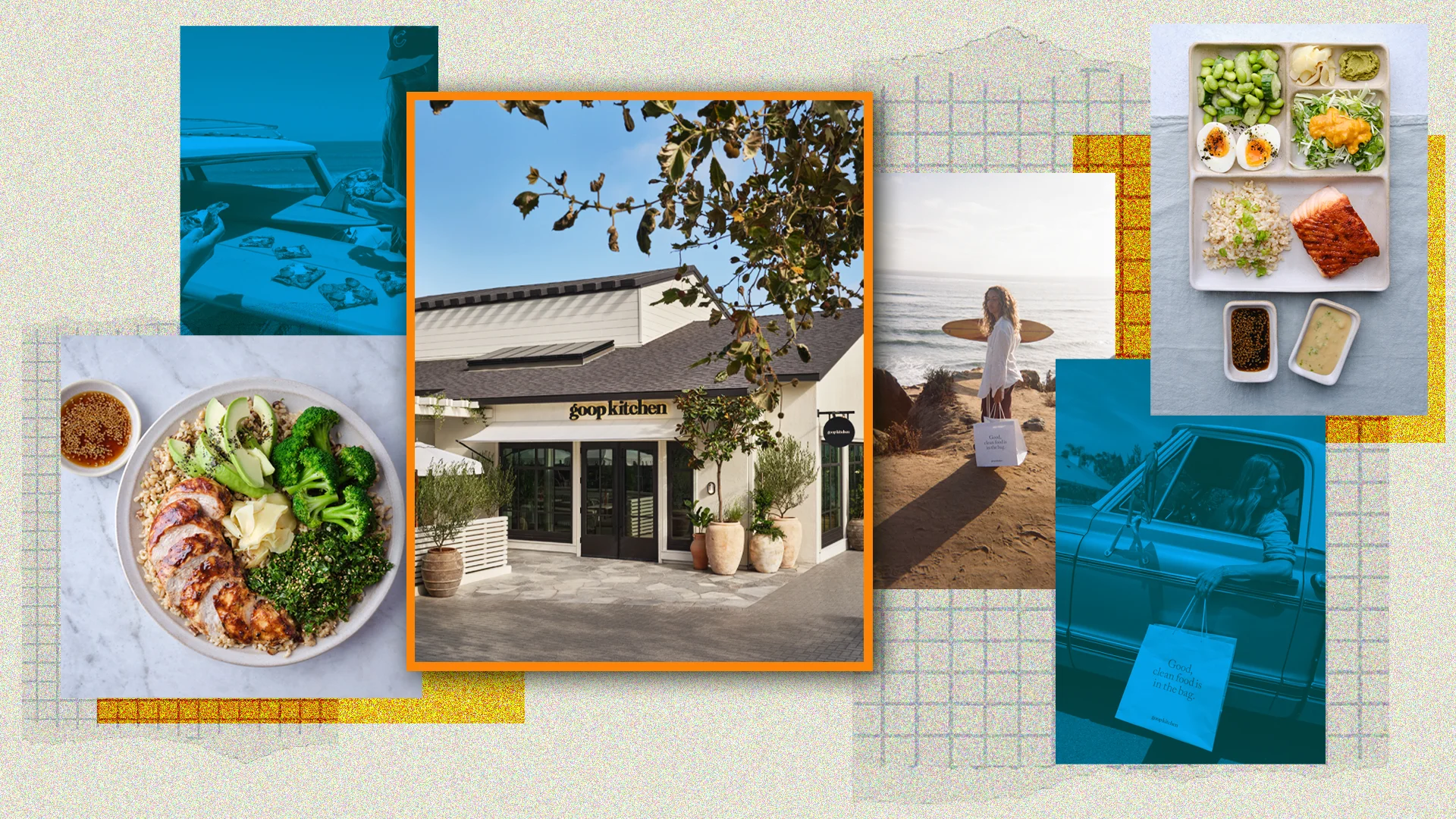
Gwyneth Paltrow’s high-growth culinary brand Goop Kitchen is shaking up its asset-light delivery model by introducing its first major dine-in restaurant experience.
Source image: inc.com
inc.comThe Evolution of a Celebrity Culinary Brand
Gwyneth Paltrow’s food venture, Goop Kitchen, has quietly emerged as a dominant force in the fast-casual wellness sector. Launched initially as a delivery-first, asset-light ghost kitchen operation, the brand successfully captured consumer demand for clean, gluten-free, and nutrient-dense meals across Southern California. Now, the enterprise is rewriting its own playbook by introducing a physical 92-seat dine-in restaurant format, marking a bold departure from its pure-play digital origins.
This strategic expansion tests the limits of traditional celebrity brand scaling. While Goop Kitchen has thrived on streamlined real estate footprints, optimized travel-friendly packaging, and heavy digital app engagement, the introduction of a full-service dining room brings entirely new operational complexities, overhead structures, and customer service metrics into play.
Financial Performance and Growth Metrics
Behind the wellness branding lies a surprisingly robust financial engine. Established Goop Kitchen locations have reported impressive average annual sales of approximately $7 million, with the brand collectively serving upwards of 40,000 customers on a weekly basis. Expansion into major metropolitan hubs like New York City has further supercharged revenues, with recent debut weeks generating over $200,000 in top-line sales.
Industry analysts note that unlike Paltrow’s flagship lifestyle company, Goop—which has historically faced profitability hurdles and corporate restructuring—Goop Kitchen has achieved store-level profitability much faster than standard fast-casual franchises. Leadership projects full profitability across the expanding portfolio, fueling speculation regarding a potential future initial public offering or strategic acquisition independent of the broader lifestyle brand.
Key Strategic Drivers for Expansion
- Asset Versatility: Transitioning select locations into hybrid or full dine-in spaces captures high-intent foot traffic in dense urban centers.
- Megatrend Alignment: Tapping into the multi-billion-dollar consumer shift toward functional, health-oriented "food away from home" markets.
- Brand Halo Effect: Utilizing Paltrow’s high-profile celebrity status to lower customer acquisition costs across new geographical markets.
- Optimized Unit Economics: Leveraging rapid capital payback periods compared to traditional legacy restaurant concepts.
Market Implications and Investor Outlook
For institutional investors and restaurant industry executives, Goop Kitchen’s pivot offers a compelling case study in omnichannel execution. Most virtual-first concepts struggle to build physical brand equity, but Goop Kitchen’s high customer retention and strong digital footprint provide a solid foundation for physical hospitality. Scaling to a projected target of 25 locations will test whether the brand can maintain its lean operating margins while absorbing the labor and real estate costs associated with a 92-seat footprint.
Investors should monitor several critical metrics moving forward, including same-store sales growth for the new dine-in format, labor efficiency ratios, and expansion velocity into secondary markets such as South Florida. If successful, Goop Kitchen may establish a new blueprint for how digital-first restaurant brands can evolve into formidable, brick-and-mortar hospitality giants.
Continue reading
Related coverage in Business
nytimes.com
David Ellison Targets CNN Leadership Continuity in Paramount Merger Talks
David Ellison is currently negotiating to retain CNN CEO Mark Thompson without oversight from CBS editor in chief Bari Weiss as parent companies navigate merger plans.
2 min read
bbc.com
Decoding Nike’s Slump: How Strategic Missteps Cost the Sportswear Titan Its Edge
Explore the factors behind Nike's dramatic market decline. Industry analysts dissect the self-inflicted strategic errors that shook the sportswear giant.
3 min read
bbc.com
Treasury Committee Directs HMRC to Investigate Tax Implications of Manchester City Case
The UK Treasury Committee has called on HMRC to closely examine potential tax ramifications arising from the high-profile Manchester City legal verdict.
3 min read
nytimes.com
US Imposes Sanctions on Russian Firm A7 Over Global Shell Company Evasion Schemes
The United States targets Russian financial firm A7 with new sanctions following reports of utilizing global shell companies to bypass existing economic restrictions.
3 min read