From Basement Startup to Six-Figure Enterprise: How a Parent's Event Dilemma Sparked a Booming Luxury Rental Empire
Discover how a modest $2,000 investment in specialty children's party furniture evolved into a thriving $295,000 enterprise, proving the lucrative potential of consumer-driven market gaps.
Source image: inc.com
inc.comUncovering a Lucrative Market Gap in the Luxury Event Sector
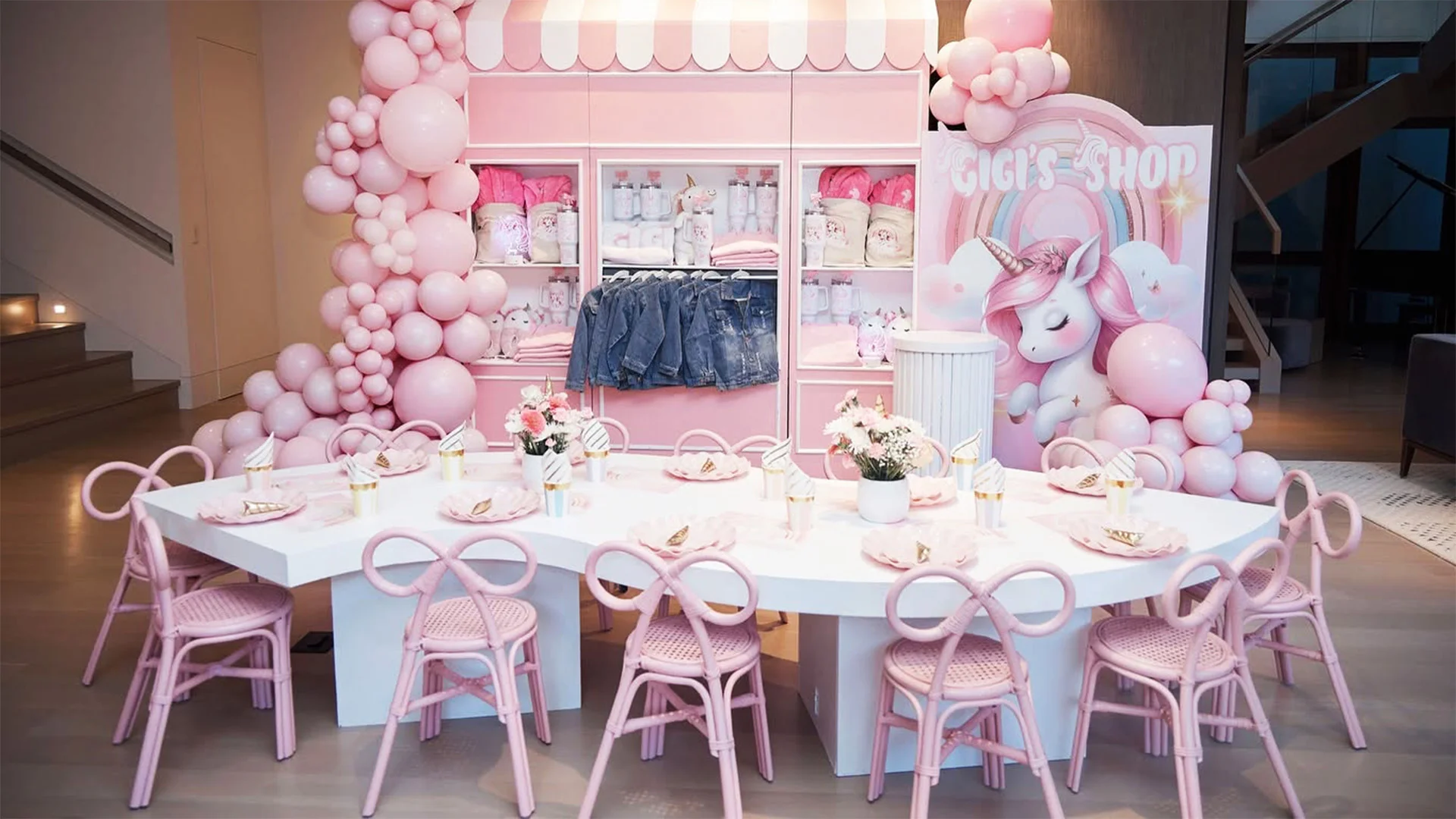
Every breakthrough enterprise often begins with a simple, localized point of friction. For Tayo and Dolu Lanlehin, that friction manifested in the spring of 2022 while they were organizing their son's first birthday celebration. While adult-sized furniture and opulent decor were readily accessible through standard commercial vendors, the market completely lacked aesthetically pleasing, child-sized seating that aligned with modern design preferences. Rather than compromising on their vision, the couple identified a structural void within the event-planning industry—one that catered extensively to adults while neglecting the booming high-end children's party segment.
Instead of treating the obstacle as a temporary inconvenience, the founders recognized a scalable business opportunity. Market analysis revealed that parents and event planners across affluent regions were consistently settling for generic, utilitarian plastic furniture because alternative upscale choices did not exist. By translating personal consumer frustration into rigorous market validation, the Lanlehins laid the groundwork for what would rapidly evolve into a high-yield enterprise.
The Lean Startup Strategy: Low Initial Capital and High Asset Efficiency
Executing a disciplined capital allocation strategy, the founders initiated operations with a modest budget of approximately $2,000. Rather than securing expensive commercial warehousing or taking on debt, they procured an initial inventory of 48 specialized children's chairs across four distinct styles from international manufacturers, storing the inventory securely within their residential basement.
Key operational pillars of their initial rollout included:
- Targeted Inventory Selection: Focusing on high-demand, highly photogenic items such as pastel wooden units, metallic finishes, and distinct statement pieces like rattan bunny chairs.
- Zero-Overhead Storage: Utilizing domestic space during the foundational phase to maximize cash flow retention and maintain profitability from day one.
- Rapid Capital Recapture: Establishing a pricing model aimed at fully amortizing the baseline cost of individual inventory units within a compressed window of roughly six rental cycles.
This lean framework ensured that the business remained cash-flow positive early on, allowing the founders to systematically reinvest incoming revenues into expanded inventory lines—such as immersive ball pits, custom tables, and soft-play structures—without external venture backing.
Leveraging Digital Outreach and High-Impact Social Networks
Scaling a niche enterprise requires precision marketing rather than broad, capital-intensive advertising campaigns. The Lanlehins deployed a dual-pronged digital acquisition strategy centered on direct B2B networking and high-visibility social proof. By curating a comprehensive directory of regional event planners and supplying them with standardized, menu-style pricing sheets, the company seamlessly integrated itself into established industry workflows.
Furthermore, the founders leveraged direct social media engagement to secure high-profile placements. By pitching their inventory directly to influencers and public figures via digital channels, they secured early high-visibility contracts that catalyzed organic word-of-mouth expansion across elite Silicon Valley and celebrity circles. Because every live event acts as an organic showroom attended by dozens of prospective clients, each successful booking functions as a self-sustaining customer acquisition engine.
Macro Market Implications and Strategic Outlook for Investors
The trajectory of Bay Area Kids Rentals—scaling rapidly to cross the $295,000 annual revenue threshold—highlights broader secular shifts within the modern consumer economy. Discretionary spending habits among affluent demographics increasingly prioritize experiential, highly customized milestones, particularly surrounding family events and children's celebrations. Entrepreneurs who can successfully bridge the gap between aesthetic luxury and logistical convenience are finding immense pricing power.
Key takeaways for investors and executive observers tracking the micro-enterprise space:
- Asset-Backed Durability: Rental models built on durable physical goods offer strong inflation-hedging characteristics compared to purely digital services, provided maintenance overhead is tightly controlled.
- The Power of Niche Dominance: Dominating a hyper-specific sub-sector creates an unassailable defensive moat against broad, generalized rental conglomerates.
- Organic Referral Loops: Experiential businesses that naturally showcase their value proposition to captive audiences experience significantly lower customer acquisition costs (CAC) over time.
As the business continues to scale its physical footprint—gradually transitioning into dedicated warehouse facilities and expanded logistics fleets—it serves as a definitive blueprint for how disciplined capital execution and acute problem-solving can transform a localized side hustle into a resilient commercial asset.
Continue reading
Related coverage in Business
nytimes.com
David Ellison Targets CNN Leadership Continuity in Paramount Merger Talks
David Ellison is currently negotiating to retain CNN CEO Mark Thompson without oversight from CBS editor in chief Bari Weiss as parent companies navigate merger plans.
2 min read
bbc.com
Decoding Nike’s Slump: How Strategic Missteps Cost the Sportswear Titan Its Edge
Explore the factors behind Nike's dramatic market decline. Industry analysts dissect the self-inflicted strategic errors that shook the sportswear giant.
3 min read
bbc.com
Treasury Committee Directs HMRC to Investigate Tax Implications of Manchester City Case
The UK Treasury Committee has called on HMRC to closely examine potential tax ramifications arising from the high-profile Manchester City legal verdict.
3 min read
nytimes.com
US Imposes Sanctions on Russian Firm A7 Over Global Shell Company Evasion Schemes
The United States targets Russian financial firm A7 with new sanctions following reports of utilizing global shell companies to bypass existing economic restrictions.
3 min read