Former PayPal and Intuit CEO Bill Harris Debuts AI-Powered Wealth Management App
Bill Harris, former CEO of PayPal and Intuit, has launched a new AI-driven financial advice platform designed to democratize wealth management for everyday investors.
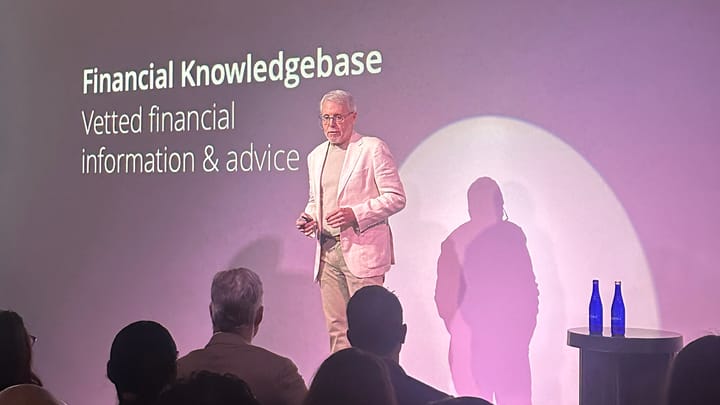
Source image: wealthmanagement.com
wealthmanagement.comIntroduction to Bill Harris's New AI Platform
In a major development for the fintech and banking sectors, former PayPal and Intuit CEO Bill Harris has launched a self-directed financial advice platform powered by artificial intelligence. Designed to bridge the gap between high-end financial planning and everyday consumers, the new application aims to democratize wealth management strategies that have historically been gated behind high minimum balance requirements.
What Happened: Democratizing Wealth Management
The platform leverages cutting-edge artificial intelligence to deliver automated, customized financial planning and investment strategies directly to retail investors. By eliminating traditional minimum asset thresholds, Harris's new venture opens access to sophisticated wealth-building tools for a much broader demographic. Users can engage with the self-directed system to receive personalized insights tailored to their financial goals without incurring the traditional costs associated with human-led advisory services.
Why It Matters for Executives and Investors
For fintech executives, traditional wealth managers, and institutional investors, this launch represents a notable escalation in the race to automate financial advice. Key considerations include:
- Lowering Barriers: Removing minimum balances expands the addressable market significantly, tapping into the underserved mass-affluent and emerging retail investor segments.
- AI Scalability: Artificial intelligence allows platforms to scale advisory services efficiently, reducing operational overhead compared to traditional human-staffed wealth firms.
- Leadership Credibility: Bill Harris’s track record at the helm of PayPal and Intuit lends immediate institutional credibility and market attention to the platform.
Market Implications and Industry Disruption
The introduction of advanced AI advisory apps places increasing competitive pressure on traditional registered investment advisors (RIAs) and wealth management firms. As retail consumers grow accustomed to instant, low-cost, AI-driven financial insights, legacy institutions will be forced to accelerate their own digital transformation and technological integrations. The democratization of these tools could permanently alter fee structures across the broader financial services landscape.
What Readers Should Watch
Industry observers, entrepreneurs, and investors should monitor several key trends moving forward:
- User Adoption Rates: Track how quickly retail investors embrace the self-directed AI platform compared to traditional robo-advisors.
- Regulatory Scrutiny: Keep an eye on how financial regulators evaluate automated AI advice concerning compliance, fiduciary responsibility, and transparency.
- Competitive Response: Observe whether major legacy banking and fintech incumbents launch counter-offerings or pursue strategic partnerships with AI developers.
For more details and original coverage, read the source report on WealthManagement.com.
Continue reading
Related coverage in Banking
wealthmanagement.com
Orion Ascent 2027 Conference Announced: Focusing on AI and Household-Level Wealth Personalization
Orion has opened registration for Ascent 2027 in Orlando, focusing on practical AI workflows, household-level personalization, and scaling advisory capacity.
3 min read
wealthmanagement.com
Wealth Management CIOs Pivot to Short-Duration Bonds Amid Market Shudders
Rising bond yields are transforming fixed-income strategies, allowing wealth management chief investment officers to capture attractive yields at shorter durations with lower risk.
2 min read
wealthmanagement.com
IRS Guidance Prompts Compliance Experts to Warn RIAs Over Section 351 ETF Conversions
Compliance experts warn registered investment advisors to reconsider Section 351 ETF conversions for tax purposes following recent IRS guidance targeting tax avoidance.
3 min read
wealthmanagement.com
Fidelity Raises RIA Custody Minimum to $100M, Pressuring Smaller Advisory Firms
Fidelity Investments is raising its RIA custody asset minimum to $100 million, requiring existing advisors below the threshold to exit or transition off the platform by June 30, 2027.
3 min read