Federal Court Halts Startup's Use of Twitter Name in Landmark Trademark Clash With X
A federal judge has barred a rival startup from using the Twitter name, though X Corp suffered a partial blow regarding its former bird logo and tweet trademark.
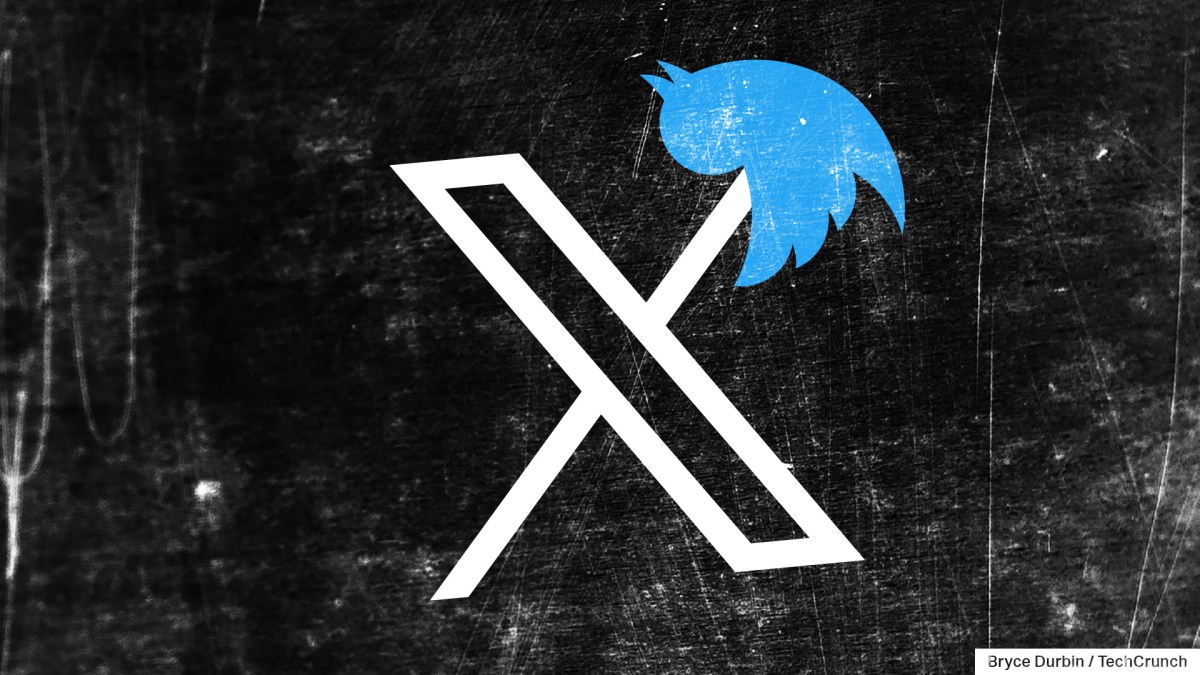
Source image: techcrunch.com
techcrunch.comThe Battle for Intellectual Property Supremacy
The ongoing legal collision between Elon Musk’s X Corp and social media upstart Operation Bluebird reached a critical juncture when a federal court issued a preliminary order addressing the boundaries of corporate rebranding. While X successfully defended its core proprietary identity against unauthorized adoption, the decision exposes vulnerabilities in how major technology corporations handle legacy branding assets during aggressive enterprise transitions.
For executives and investors tracking intellectual property strategy, the ruling underscores the fine line between phasing out legacy terminology and legally abandoning trademark protections. The litigation serves as a cautionary tale for corporations undergoing sweeping name changes, proving that public statements and total visual overhauls can inadvertently jeopardize secondary brand equity.
Key Rulings and Judicial Reasoning
U.S. District Judge Colm Connolly delivered a nuanced verdict that granted partial victories to both competing entities:
- The Twitter Name Protected: The court determined that X Corp is likely to establish that Operation Bluebird's commercial exploitation of the 'Twitter' name causes consumer confusion, thereby warranting a preliminary injunction.
- Loss of the Bird Logo and 'Tweet' Mark: Conversely, the judge found that X had likely relinquished rights to the legendary bluebird logo and the word 'Tweet'. This determination heavily factored in historical executive statements and public declarations regarding the permanent retirement of avian imagery.
- Pivot to Alternative Branding: Following the partial restriction, Operation Bluebird announced immediate compliance with the injunction while pivoting its operational rollout toward alternative domain infrastructure, such as tweet.app.
Market Implications and Industry Significance
The implications of this legal confrontation stretch far beyond the courtroom, touching upon core principles of digital asset valuation and corporate governance. When X was acquired for $44 billion, its brand portfolio represented billions in intangible value. However, the strategic decision to transition toward an 'everything app' model under the singular banner of 'X' created a unique legal vacuum.
Startups and competing market entrants closely monitor these proceedings as a potential blueprint for reclaiming abandoned digital real estate. If major corporations discard legacy terminology without maintaining active commercial use or clear defensive intent, they risk emboldening agile competitors to capture residual market goodwill.
What Investors Should Watch
As the litigation between X Corp and Operation Bluebird proceeds toward a definitive final judgment, market participants and legal analysts should monitor several critical developments:
- The Scope of Permanent Injunctions: How the Delaware federal court ultimately defines trademark abandonment parameters in subsequent rulings.
- Defensive Trademark Portfolios: Shifts in how major technology firms audit and protect their legacy branding assets to prevent opportunistic challenges.
- Startup Competitive Positioning: The ability of alternative microblogging platforms to capture user mindshare despite strict judicial guardrails surrounding legacy nomenclature.
Ultimately, this case serves as an essential reminder that intellectual property stewardship requires rigorous consistency across both public communications and commercial operations, ensuring that multi-billion-dollar brand equity remains securely insulated against modern market challengers.
Continue reading
Related coverage in Technology
techcrunch.com
OpenAI Integrates Virtual Try-On and Shopping Features into ChatGPT
OpenAI introduces new shopping capabilities to ChatGPT, allowing users to virtually try on apparel and accessories using personal photos and save favorites.
3 min read
techcrunch.com
Google Launches First Advanced Chip for Space Data Centers as SpaceX Launch Demands Mount
Google has launched its first advanced chip into orbit to pave the way for space data centers, though executives estimate SpaceX's Starship must fly 1,800 times first.
2 min read
techcrunch.com
Fervo Energy Completes World's First Enhanced Geothermal Power Plant in Record 23 Months
Fervo Energy has successfully completed the world's first enhanced geothermal power plant in under two years, signaling a major breakthrough for clean energy infrastructure.
3 min read
techcrunch.com
Opus 5.5 AI Writing Tells Reveal Unique Statistical Signatures for Investors and Executives
New research into Opus 5.5's generated text uncovers distinct linguistic signatures, such as the frequent overuse of the word dependable, signaling major shifts in content identification.
3 min read