Fed Rate Cut Timeline Pushed to June 2027 by Citi as Bitcoin Responds to Strong Jobs Data
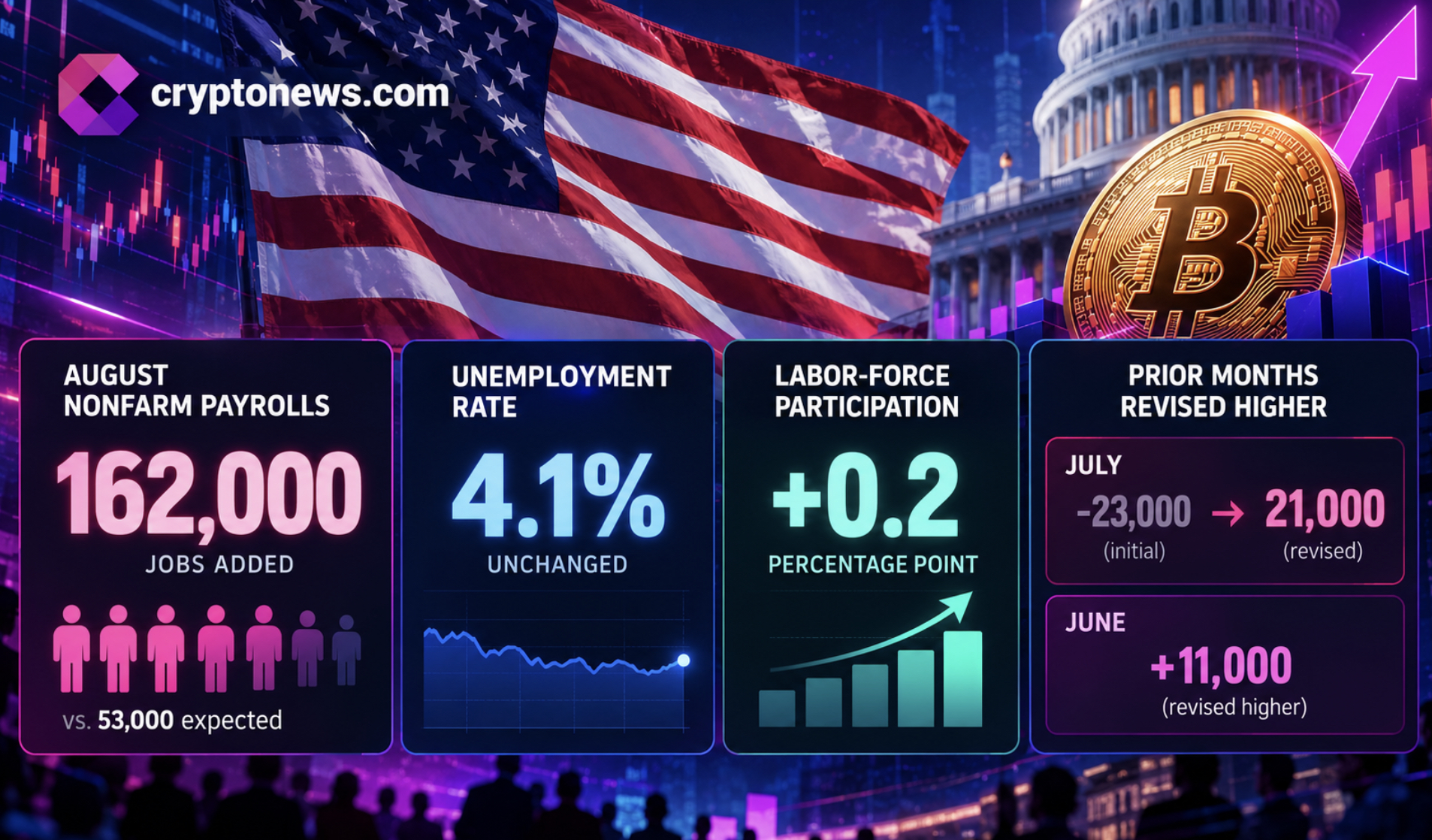
Citi projects the Federal Reserve's first rate cut will be delayed to June 2027 following a strong 162,000 August jobs report, as Bitcoin demonstrates resilient ETF demand.
Source image: cryptonews.com
cryptonews.comIntroduction to Macroeconomic Shifts
The macroeconomic outlook for monetary policy is undergoing a significant reassessment. According to projections from Citi, the Federal Reserve's anticipated timeline for its first interest rate cut has been pushed back to June 2027. This adjustment follows a robust August jobs report, which revealed that the economy added 162,000 positions. For executives, investors, and entrepreneurs, this prolonged high-rate environment introduces new variables into capital allocation, valuation models, and growth strategies.
The Catalyst: Strong Jobs Data and Federal Reserve Policy
The primary driver behind Citi's updated forecast is the unexpected strength of the labor market. The addition of 162,000 jobs in August demonstrates continued economic resilience, reducing the immediate urgency for the Federal Reserve to implement monetary easing. Higher interest rates typically aim to cool economic activity and curb inflation, but they also increase the cost of capital for businesses and elevate yields on traditional fixed-income assets.
For risk-on assets, including cryptocurrencies like Bitcoin, a delayed rate cut means that liquidity conditions will remain tight longer than previously anticipated. Higher yields on government bonds and cash equivalents often siphon capital away from speculative or alternative asset classes, creating a testing environment for digital currencies.
Bitcoin's Resilience and Institutional ETF Demand
Despite the challenging macroeconomic backdrop and the prospect of delayed rate cuts, Bitcoin has displayed remarkable resilience. Recent data highlights that Bitcoin exchange-traded fund (ETF) inflows are rebounding, demonstrating underlying institutional demand. This trend suggests that traditional market participants are increasingly viewing Bitcoin through a structural lens, rather than reacting solely to short-term interest rate fluctuations.
- Institutional Adoption: ETF inflows indicate that corporate treasuries and institutional funds continue to allocate capital to digital assets.
- Asset Maturation: Bitcoin's ability to absorb macro shocks points toward a maturing market structure with diversified buyer bases.
- Liquidity Adaptation: Investors are adapting to prolonged high-yield environments by balancing risk assets with macro hedges.
Market Implications for Investors and Entrepreneurs
The interaction between delayed Federal Reserve rate cuts and cryptocurrency performance carries broad implications for the financial ecosystem:
For Investors: Portfolio managers must weigh the opportunity cost of holding non-yielding assets in a high-rate environment against the long-term growth potential of digital assets. The strength of ETF inflows suggests that institutional conviction remains intact, even if retail enthusiasm fluctuates.
For Entrepreneurs: Founders in the fintech and blockchain sectors must plan for extended periods of tighter venture funding and higher borrowing costs. Capital efficiency and strong fundamental metrics will remain critical as macroeconomic tailwinds take longer to materialize.
What Readers Should Watch
As the market digests these developments, stakeholders should monitor several key indicators:
- Upcoming macroeconomic data releases, including subsequent employment reports and inflation prints that could further alter Fed timelines.
- Net inflows and outflows across major Bitcoin ETFs to gauge sustained institutional appetite.
- Corporate treasury strategies and how publicly traded firms manage liquidity under extended high-interest-rate conditions.
For more details on this development, read the original report on Cryptonews.
Continue reading
Related coverage in Crypto
cointelegraph.com
Trump Schedules Third Memecoin Holder Dinner Amid Growing Corruption Scrutiny
President Trump is set to host his third exclusive memecoin dinner for top token holders at his Washington, DC golf club, drawing renewed ethical and market scrutiny.
3 min read
cointelegraph.com
50,000 Europeans Petition EU to Relax MiCA Stablecoin Reward Restrictions
A new 50,000-letter campaign is urging Brussels to ease stablecoin rewards restrictions during the MiCA review, aligning with broader central bank pushes.
2 min read
cryptonews.com
Dogecoin Eyes $1 Milestone as DogeOS Testnet Launch Sparks Utility Speculation
Dogecoin trades at $0.09447 as the DogeOS testnet goes live. Traders eye the $0.098 resistance and psychological $0.10 mark amid fresh utility potential.
2 min read
decrypt.co
Bitcoin Enters 'Uptober' Amid Fed Rate Hike Pressures and 5.3% Treasury Yields
Bitcoin enters its historically strongest month following a record September, yet rising Federal Reserve rate hike fears and 5.3% Treasury yields present major hurdles.
2 min read