Fed Chair Kevin Warsh Signals Openness to Rate Hikes at Jackson Hole, Defying Easing Expectations
Federal Reserve Chairman Kevin Warsh delivered a hawkish debut at Jackson Hole, signaling potential rate hikes as sticky inflation challenges market easing expectations.
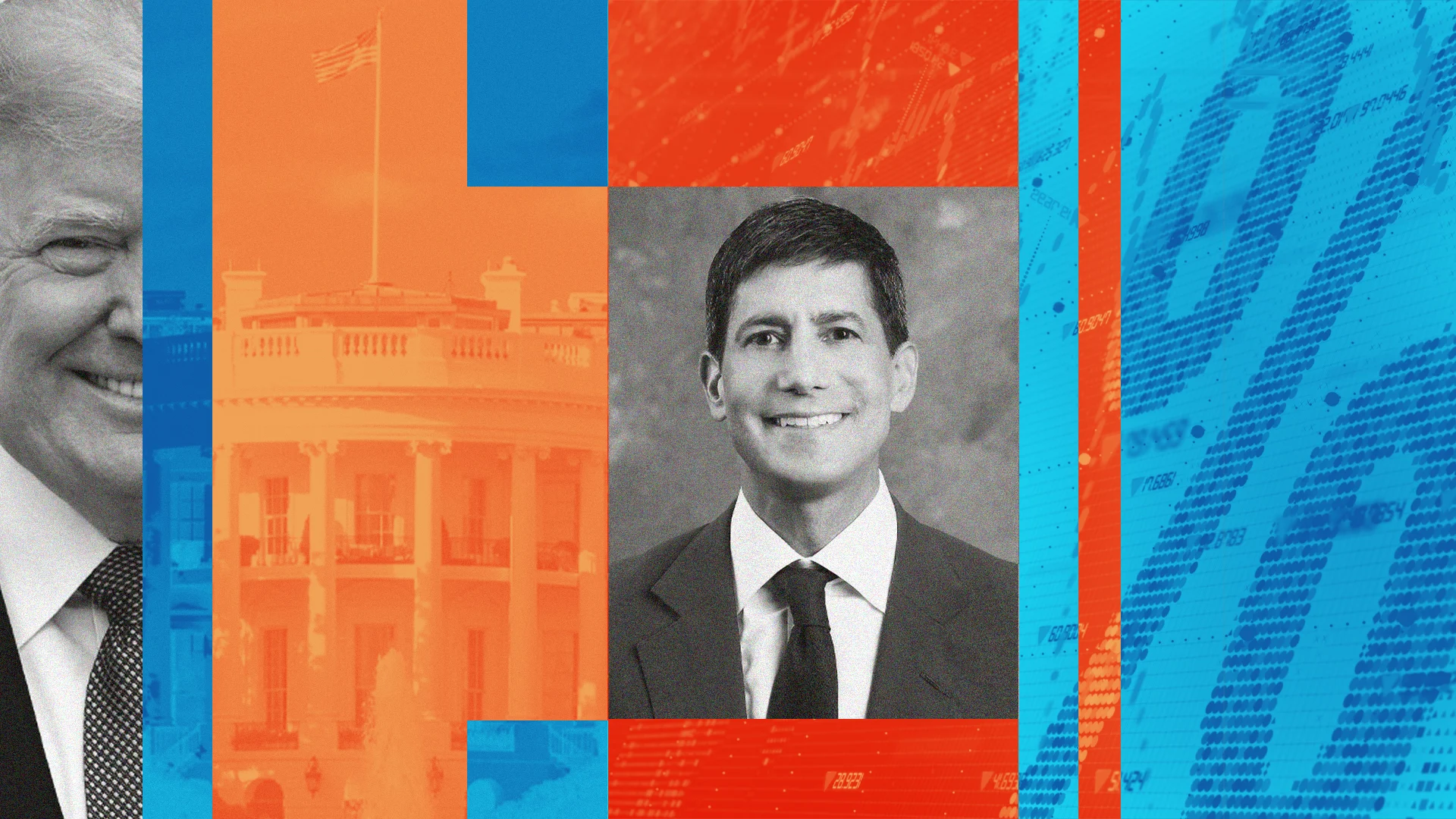
Source image: inc.com
inc.comNavigating a New Era of Central Bank Communication
Federal Reserve Chairman Kevin Warsh took center stage at the annual Jackson Hole Economic Policy Symposium in Wyoming, delivering a speech that immediately reshaped global macroeconomic expectations. Since assuming leadership of the central bank, Warsh has intentionally minimized traditional forward guidance, preferring a data-dependent framework that leaves Wall Street to decipher economic signals on its own. However, mounting concerns over sticky price pressures and elevated long-term Treasury yields turned his debut symposium address into a high-stakes referendum on his monetary philosophy.
Addressing an audience of international central bankers, institutional investors, and economists, Warsh made it clear that the Federal Reserve's primary mandate remains price stability. While acknowledging the impressive long-term productivity potential of artificial intelligence and structural innovations, he emphasized that short-term economic realities demand absolute vigilance against inflation.
The Inflation Dilemma: Why Warsh Adopted a Hawkish Tone
Market participants had initially anticipated that Warsh’s appointment would lean toward eventual monetary easing to accommodate broader fiscal and growth objectives. Instead, the Fed Chairman delivered a sharply pragmatic assessment, noting that inflation data continues to outpace the central bank's comfort zone.
- Stuck Above Target: Warsh pointed out that the Fed has missed its 2% inflation objective for 65 consecutive months, noting that a significant majority of tracked goods and services continue to experience price increases above 3%.
- The Labor Market Disconnect: While employment figures remain robust and unemployment low, Warsh argued that price stability risks outweigh labor market vulnerabilities in the current economic cycle.
- Reaffirming Primary Tools: Dispelling notions that the central bank might sideline overnight borrowing rates, Warsh reiterated that short-term interest rates remain the definitive tool for anchoring long-term inflation expectations.
Market Implications and the Reaction in Fixed Income
The financial markets reacted swiftly to the Chairman's remarks. Short-term Treasury yields climbed immediately following the address, with the two-year yield moving higher as fixed-income traders rapidly priced in the renewed threat of monetary tightening. Currency markets similarly responded, with the U.S. dollar strengthening against major peer currencies.
For institutional investors, the speech marks a definitive pivot from complacency regarding future rate cuts. Futures pricing, which had previously leaned toward a complacent or dovish trajectory for the back half of the year, is now aggressively re-evaluating the probability of at least one interest rate hike before year-end. Corporate borrowers, mortgage originators, and equity strategists must now account for a higher-for-longer financing environment that operates independently of political pressures or historical market expectations.
What Executives and Investors Should Watch Next
As the dust settles in Jackson Hole, executive leadership teams and portfolio managers should monitor several crucial variables over the coming weeks:
- Upcoming PCE and CPI Releases: Incoming inflation prints will serve as the immediate litmus test for whether Warsh considers price pressures to be moderating toward the 2% target fast enough to avert a policy hike.
- FOMC Dissent and Internal Consensus: With recent policy votes reflecting vocal divisions among regional Fed presidents, investors must watch for unity or widening fractures within the Federal Open Market Committee.
- Long-End Bond Volatility: Pay close attention to how fiscal deficit projections and massive sovereign debt issuance interact with the Treasury yield curve, as debt-servicing costs continue to exert indirect tightening effects on the broader economy.
Ultimately, Kevin Warsh has reclaimed a firm hawkish anchor for the Federal Reserve's credibility. For global markets accustomed to predictable policy trajectories, the message from Wyoming is unambiguous: the central bank stands ready to deploy tighter monetary policy if price stability is compromised.
Continue reading
Related coverage in Business
nytimes.com
David Ellison Targets CNN Leadership Continuity in Paramount Merger Talks
David Ellison is currently negotiating to retain CNN CEO Mark Thompson without oversight from CBS editor in chief Bari Weiss as parent companies navigate merger plans.
2 min read
bbc.com
Decoding Nike’s Slump: How Strategic Missteps Cost the Sportswear Titan Its Edge
Explore the factors behind Nike's dramatic market decline. Industry analysts dissect the self-inflicted strategic errors that shook the sportswear giant.
3 min read
bbc.com
Treasury Committee Directs HMRC to Investigate Tax Implications of Manchester City Case
The UK Treasury Committee has called on HMRC to closely examine potential tax ramifications arising from the high-profile Manchester City legal verdict.
3 min read
nytimes.com
US Imposes Sanctions on Russian Firm A7 Over Global Shell Company Evasion Schemes
The United States targets Russian financial firm A7 with new sanctions following reports of utilizing global shell companies to bypass existing economic restrictions.
3 min read