Fed Chair Kevin Warsh Shuns Forward Guidance at Jackson Hole, Keeping Markets Guessing on Rates
Federal Reserve Chair Kevin Warsh delivered a hawkish address at Jackson Hole, emphasizing stubborn inflation while refusing to provide explicit forward guidance on rate paths.
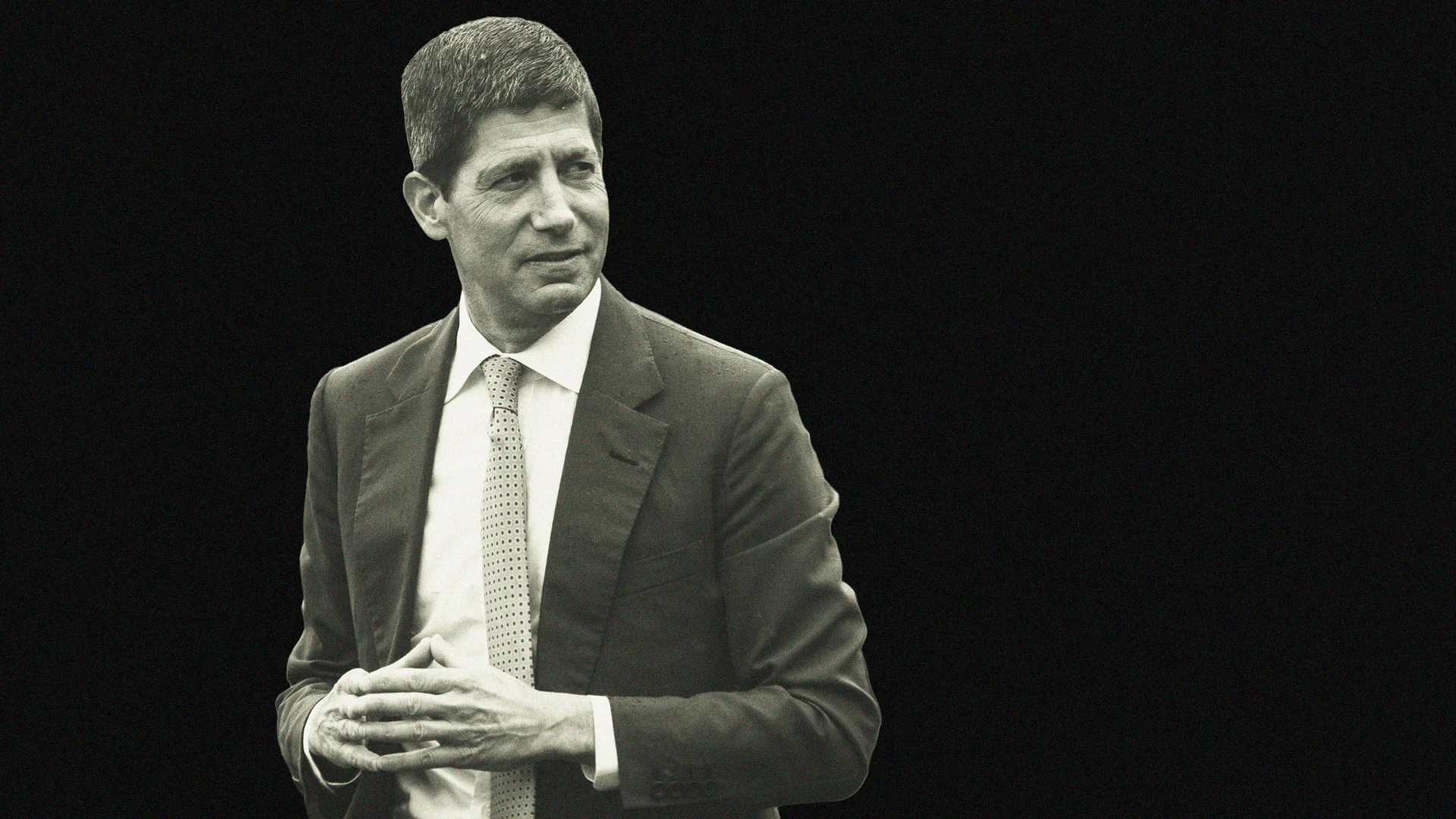
Source image: inc.com
inc.comNavigating Uncertainty at the Jackson Hole Symposium
Federal Reserve Chair Kevin Warsh utilized his inaugural address at the annual Jackson Hole Economic Policy Symposium to reaffirm the central bank's uncompromising stance on inflation. Delivering remarks that were heavily scrutinized by global financial markets, Warsh addressed the persistent economic pressures keeping consumer prices above the Fed's targeted threshold. However, true to his evolving leadership style, the Fed chair firmly resisted offering explicit forecasts or mapping out a rigid timeline for forthcoming interest rate modifications.
The address marks a critical juncture in Warsh's tenure, arriving as financial institutions and corporate executives attempt to decode the central bank's next moves. By declining to provide traditional forward guidance, Warsh has intentionally left market participants without a definitive roadmap, fueling intense debate across Wall Street regarding the probability of monetary tightening as early as the next policy meeting.
The Core Dilemma: Stubborn Inflation and Economic Resilience
During his address, Warsh noted that while the broader U.S. economy maintains notable underlying strength, stubborn inflationary trends continue to undermine consumer purchasing power and market stability. Key economic takeaways from his remarks include:
- Persistent Price Pressures: Warsh highlighted that recent data showing slight cooling in headline inflation metrics fail to demonstrate a meaningful improvement in underlying core trends.
- The Danger of the 'Hall of Mirrors': Advocating for a 'quieter Fed,' Warsh criticized the reliance on heavy forward guidance, arguing that it creates a feedback loop where markets trade on central bank hints rather than fundamental economic realities.
- Commitment to Price Stability: The central bank chief reiterated that achieving the Fed's 2% inflation objective remains non-negotiable, hinting that additional monetary restraint could be deployed if data fails to cooperate.
Market Implications and Executive Strategy
For institutional investors, corporate treasurers, and market strategists, Warsh's deliberate ambiguity introduces a complex operating environment. Traditional predictive models heavily reliant on explicit central bank signaling are increasingly obsolete under Warsh's leadership framework. Financial markets have responded dynamically, with fed funds futures repricing to reflect a heightened probability of a rate hike if upcoming employment and consumer price indices indicate prolonged inflationary resilience.
Corporate executives must factor this higher-for-longer interest rate paradigm into capital allocation, debt refinancing strategies, and valuation metrics. Warsh's reluctance to soothe markets with guaranteed policy paths implies that asset volatility will likely remain elevated as macroeconomic data dictates real-time monetary adjustments.
What Investors Should Watch Moving Forward
As the financial community digests the fallout from Jackson Hole, key indicators will dictate market direction over the coming weeks:
- Upcoming Inflation Prints: Incoming Consumer Price Index (CPI) and Personal Consumption Expenditures (PCE) reports will serve as the definitive catalyst for the Federal Open Market Committee's upcoming deliberations.
- Employment and Labor Data: Payroll reports will be heavily scrutinized to gauge whether labor market tightness continues to sustain wage-driven inflation pressures.
- Treasury Yield Movements: Long-term bond yields will reflect shifting investor sentiment regarding sovereign debt levels and the ultimate terminal rate set by the central bank.
Ultimately, Kevin Warsh has made it clear that the Federal Reserve will rely on hard economic data rather than market comfort. For market participants, adapting to this era of reduced predictability will require heightened agility and a renewed focus on foundational economic indicators over central bank rhetoric.
Continue reading
Related coverage in Business
nytimes.com
David Ellison Targets CNN Leadership Continuity in Paramount Merger Talks
David Ellison is currently negotiating to retain CNN CEO Mark Thompson without oversight from CBS editor in chief Bari Weiss as parent companies navigate merger plans.
2 min read
bbc.com
Decoding Nike’s Slump: How Strategic Missteps Cost the Sportswear Titan Its Edge
Explore the factors behind Nike's dramatic market decline. Industry analysts dissect the self-inflicted strategic errors that shook the sportswear giant.
3 min read
bbc.com
Treasury Committee Directs HMRC to Investigate Tax Implications of Manchester City Case
The UK Treasury Committee has called on HMRC to closely examine potential tax ramifications arising from the high-profile Manchester City legal verdict.
3 min read
nytimes.com
US Imposes Sanctions on Russian Firm A7 Over Global Shell Company Evasion Schemes
The United States targets Russian financial firm A7 with new sanctions following reports of utilizing global shell companies to bypass existing economic restrictions.
3 min read