FBI Investigates Massive Dark Web Leak Offering 153 Million Driver’s Licenses
A dark web platform has allegedly listed over 153 million North American driver's licenses for sale, sparking an urgent federal investigation into a major ID verification breach.
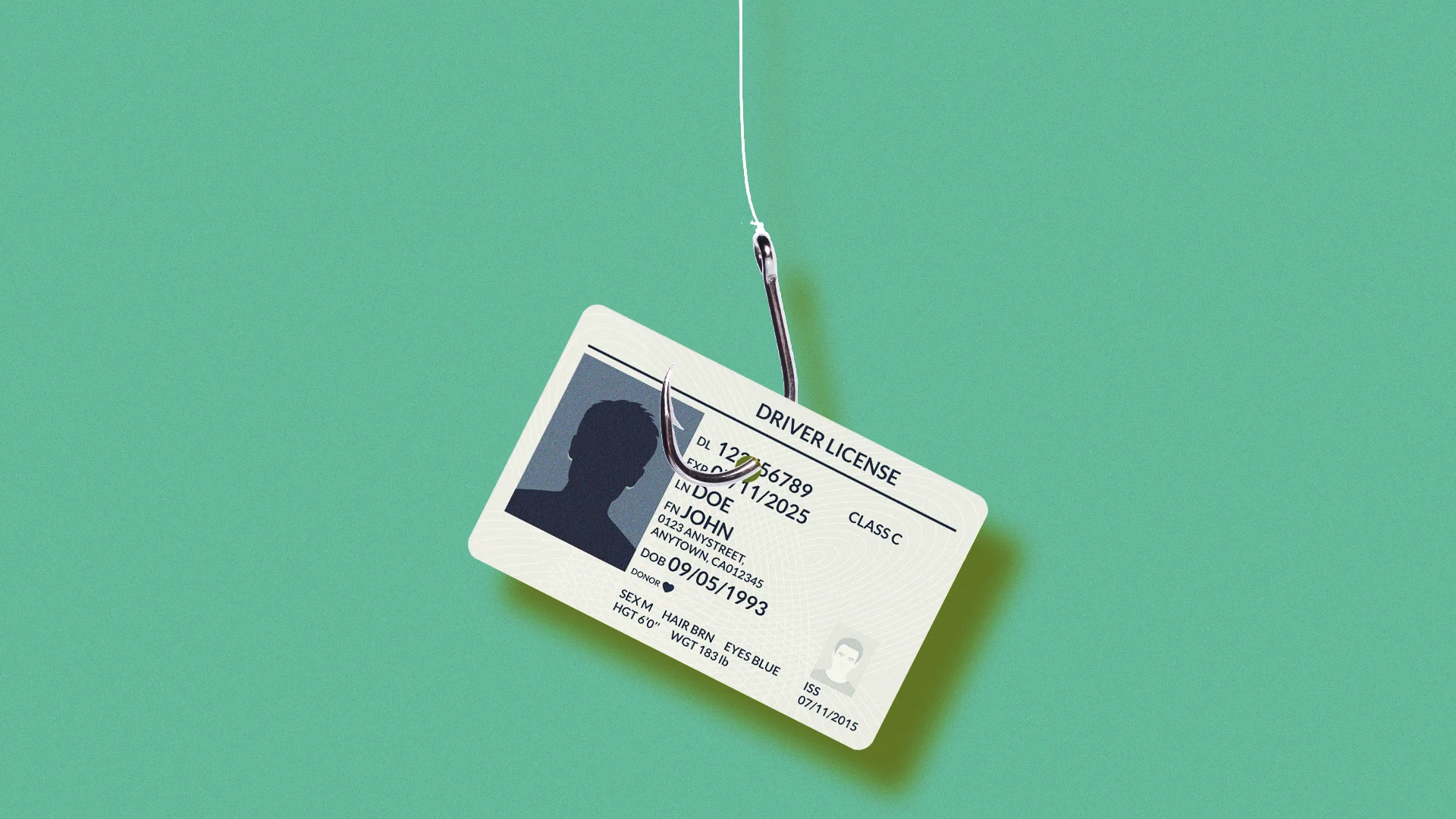
Source image: inc.com
inc.comThe Anatomy of a Historic Cyber Breach
In what cybersecurity experts are calling one of the most severe data exposures in corporate history, digital scans of more than 153 million driver's licenses from the United States and Canada were recently put up for sale on a dark web marketplace. The underground service, operating under the moniker Nexus, emerged on a Russian-language cybercrime forum, advertising access to sensitive identity documents belonging to over 170 million North Americans. Alongside the staggering volume of driver's licenses, the repository reportedly contained 10 million identification cards, three million international and travel documents, and roughly 579,000 medical or dispensary cards.
Independent security journalism first brought the operation to light after investigators discovered that high-profile individuals—including U.S. Defense Secretary Pete Hegseth and prominent threat researchers—had their government-issued identification cards cataloged within the stolen database. The Federal Bureau of Investigation's New Orleans field office has formally stepped in, launching an active inquiry into the vector and source of the leak.
Tracing the Source: Third-Party Vendor Vulnerabilities
Initial findings suggest that the compromised data originates from a widespread security failure at a major, Louisiana-based identity verification provider. Companies across various sectors—ranging from car rental giants like Hertz to major retailers, logistics firms, and commercial establishments—frequently outsource customer verification and age-validation processes to third-party providers.
When consumers hand over their physical identification documents, these service providers capture high-resolution, front-and-back digital scans, occasionally logging infrared and ultraviolet features. Crucially, forensic analysis of the leaked Nexus dataset revealed timestamps that aligned precisely with real-world customer interactions, such as vehicle rentals and retail check-ins. This connection underscores a chilling reality for enterprise risk management: a single vulnerability within a downstream vendor can compromise millions of end-users across entirely unrelated industries.
Market Implications and Enterprise Risk
The financial and operational implications of this breach extend far beyond typical consumer privacy concerns. For institutional investors and corporate boards, the incident highlights systemic vulnerabilities in modern compliance and security protocols.
- Increased Fraud Vectors: With access to high-fidelity scans of driver's licenses, malicious actors can orchestrate sophisticated synthetic identity fraud, bypassing standard digital know-your-customer (KYC) protocols.
- Third-Party Liability: Enterprises that rely on outsourced verification vendors face heightened regulatory scrutiny, potential litigation, and reputational damage for failing to audit vendor security frameworks adequately.
- National Security Exposure: The inclusion of high-ranking government officials and commercial drivers license (CDL) holders introduces severe national security and infrastructure risks.
What Investors and Executives Should Watch
As the FBI's investigation unfolds and regulatory bodies demand accountability, corporate leadership must re-evaluate their data minimization strategies. Executive teams and institutional investors should monitor several key developments moving forward:
First, observe how regulatory agencies respond to third-party vendor oversight. Heightened compliance mandates regarding how client data is retained, encrypted, and purged could introduce substantial overhead for tech and verification service providers. Second, track enterprise migration patterns away from raw document collection toward zero-knowledge proofs and decentralized identity verification methods that do not require storing permanent images of government IDs.
Ultimately, the Nexus data dump serves as a stark reminder that identity verification infrastructure has become a prime target for sophisticated cybercrime syndicates. Safeguarding the digital perimeter requires moving past compliance checkbox mentalities toward rigorous, end-to-end supply chain security.
Continue reading
Related coverage in Business
nytimes.com
David Ellison Targets CNN Leadership Continuity in Paramount Merger Talks
David Ellison is currently negotiating to retain CNN CEO Mark Thompson without oversight from CBS editor in chief Bari Weiss as parent companies navigate merger plans.
2 min read
bbc.com
Decoding Nike’s Slump: How Strategic Missteps Cost the Sportswear Titan Its Edge
Explore the factors behind Nike's dramatic market decline. Industry analysts dissect the self-inflicted strategic errors that shook the sportswear giant.
3 min read
bbc.com
Treasury Committee Directs HMRC to Investigate Tax Implications of Manchester City Case
The UK Treasury Committee has called on HMRC to closely examine potential tax ramifications arising from the high-profile Manchester City legal verdict.
3 min read
nytimes.com
US Imposes Sanctions on Russian Firm A7 Over Global Shell Company Evasion Schemes
The United States targets Russian financial firm A7 with new sanctions following reports of utilizing global shell companies to bypass existing economic restrictions.
3 min read