FAA Cracks Down on 'Early Shoves' Among Air Traffic Controllers Following Fatal Runway Collision
The FAA is moving to fire two LaGuardia air traffic controllers following a fatal runway crash, aggressively targeting the long-standing industry practice of 'early shoves.'
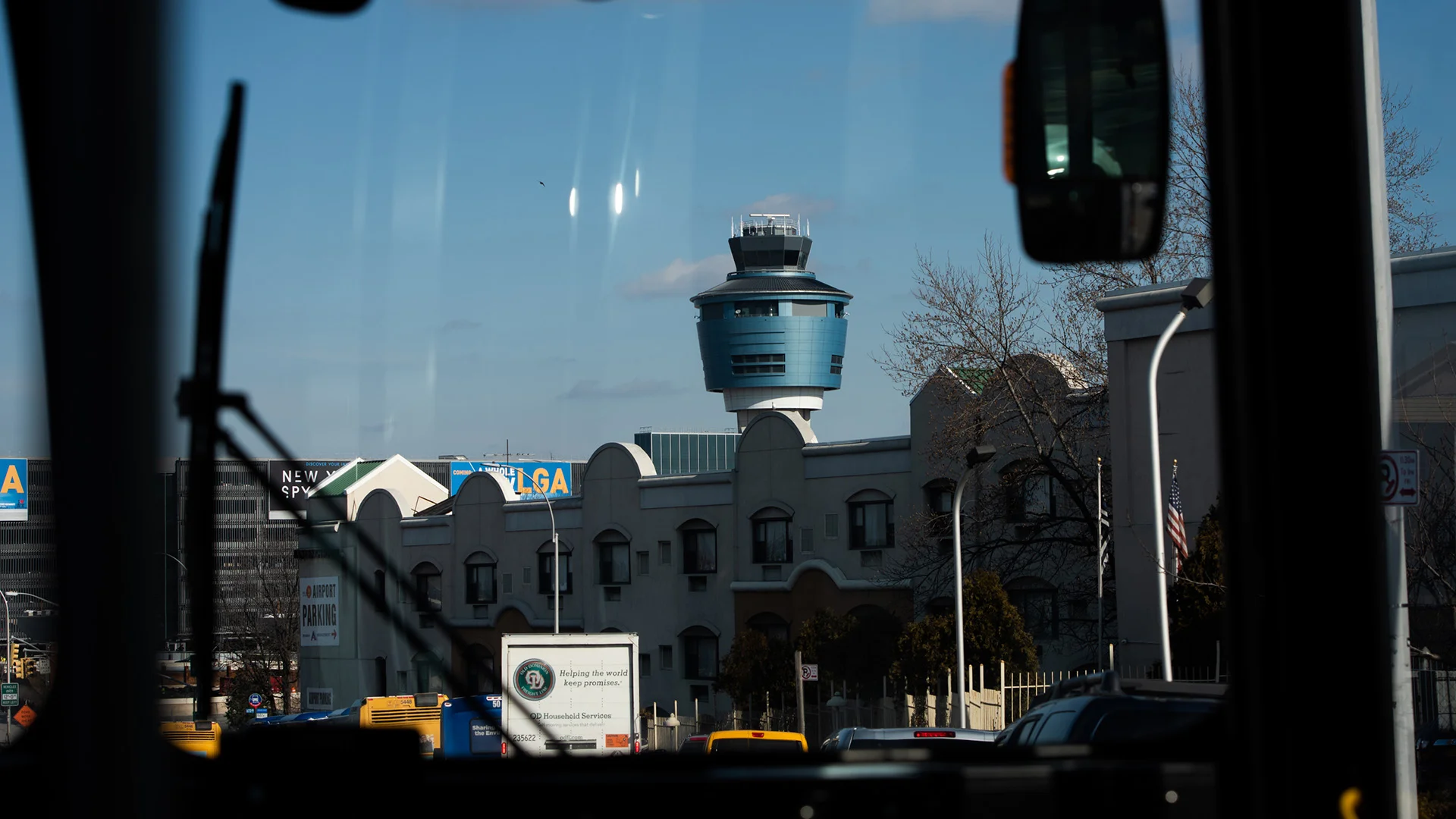
Source image: inc.com
inc.comThe Anatomy of an Industry Tradition
For decades, air traffic management has operated under an unwritten, informal culture known widely across facilities as 'early shoves.' Under this practice, during windows of lower traffic volume or near the tail end of demanding shifts, supervisors would frequently grant controllers permission to depart ahead of their official scheduled clock-out times while maintaining full pay. Often viewed internally as an informal perk to mitigate burnout following intense stretches of managing congested airspace, the routine was treated by many facility floors as an accepted operational norm.
However, the Federal Aviation Administration (FAA) is executing a sharp about-face. Prompted by intense regulatory reviews and executive directives under the administration, the federal agency has begun aggressively treating unrecorded early departures not as harmless shift adjustments, but as formal timecard fraud. The policy shift is sweeping across major aviation hubs, with the agency pursuing termination proceedings against more than a dozen controllers nationwide for alleged leave abuse and time irregularities.
The LaGuardia Incident and Catalyst for Change
The regulatory hammer began falling heaviest in the wake of a catastrophic accident at New York's LaGuardia Airport. On March 22, an Air Canada Express regional jet collided on the runway with a ground fire truck, resulting in the tragic deaths of both pilots and serious injuries to several others. Subsequent federal investigations revealed that two air traffic controllers assigned to the tower that evening had departed roughly an hour before their shifts officially concluded.
Investigators and transport officials noted that the departure left the active tower severely under-resourced at a time when LaGuardia was handling more than double its typical night traffic volume. While the National Transportation Safety Board (NTSB) continues its comprehensive investigation into the root causes of the collision, the revelation of tower understaffing due to early exits catalyzed immediate government intervention. Transportation Secretary Sean Duffy emphasized that while the vast majority of aviation personnel exhibit unwavering dedication, the agency has zero tolerance for practices that burden colleagues and jeopardize national airspace safety.
Broader Market Implications and Systemic Vulnerabilities
The FAA's hardline stance introduces complex operational ripples across the commercial aviation sector, which is already grappling with systemic labor deficits:
- Intensified Staffing Strains: Eliminating informal flexibility may temporarily lower morale and expose underlying structural shortages within a workforce already operating well below optimal certified capacity.
- Scrutiny on Tower Management: Because 'early shoves' traditionally required supervisory approval, facility managers face mounting oversight regarding how shifts are monitored and executed.
- Travel Reliability Risks: Any friction or strict adherence to rigid scheduling without adequate baseline staffing could heighten bottleneck risks at critical metropolitan airports, impacting commercial airline punctuality.
What Investors and Industry Executives Should Monitor
For institutional investors, aviation stakeholders, and corporate leadership teams, the unfolding crackdown serves as a critical indicator of how federal regulators intend to manage systemic safety moving forward. Key metrics to watch include the pace of the FAA's recruitment pipeline—which aims to offset deficits by onboarding thousands of new trainees—and whether strict disciplinary measures trigger operational pushback from the National Airgrass Controllers Association (NATCA). Ultimately, balancing zero-tolerance compliance with workforce retention will define the stability of America's airspace infrastructure in the coming fiscal quarters.
Continue reading
Related coverage in Business
nytimes.com
David Ellison Targets CNN Leadership Continuity in Paramount Merger Talks
David Ellison is currently negotiating to retain CNN CEO Mark Thompson without oversight from CBS editor in chief Bari Weiss as parent companies navigate merger plans.
2 min read
bbc.com
Decoding Nike’s Slump: How Strategic Missteps Cost the Sportswear Titan Its Edge
Explore the factors behind Nike's dramatic market decline. Industry analysts dissect the self-inflicted strategic errors that shook the sportswear giant.
3 min read
bbc.com
Treasury Committee Directs HMRC to Investigate Tax Implications of Manchester City Case
The UK Treasury Committee has called on HMRC to closely examine potential tax ramifications arising from the high-profile Manchester City legal verdict.
3 min read
nytimes.com
US Imposes Sanctions on Russian Firm A7 Over Global Shell Company Evasion Schemes
The United States targets Russian financial firm A7 with new sanctions following reports of utilizing global shell companies to bypass existing economic restrictions.
3 min read