European Pension Giants Shift Focus to Emerging Markets for Climate Investments
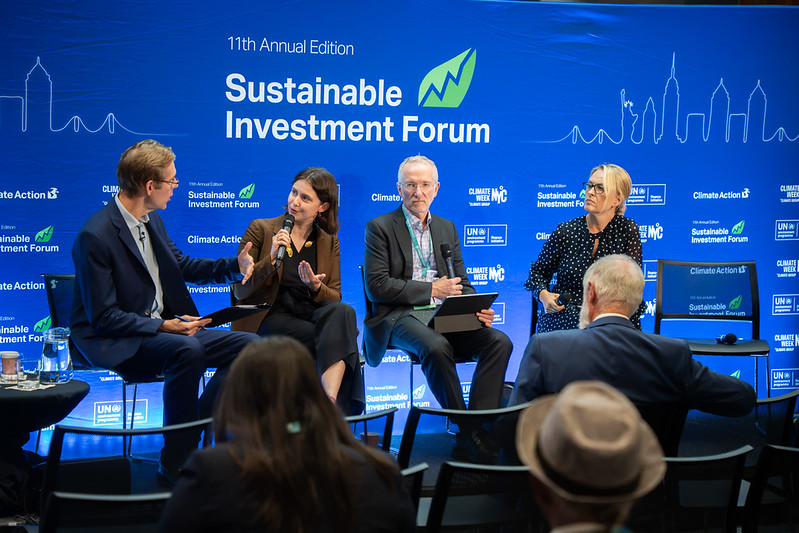
Discussions at Climate Week NYC reveal that European pension funds like PensionDanmark and PGGM are re-evaluating risk-return dynamics in emerging market climate projects.
Source image: privateequityinternational.com
privateequityinternational.comShifting Horizons for European Capital
Discussions held during Climate Week NYC have shed light on a notable evolution in investment strategy among leading European pension funds. Institutional giants such as PensionDanmark and PGGM are actively reappraising the risk-return profiles on offer in emerging markets. This reassessment marks a critical moment for institutional investors seeking new avenues for capital deployment within the climate and infrastructure sectors, moving beyond traditional developed-economy boundaries.
The Core Drivers Behind the Shift
For years, emerging markets have often been perceived by conservative institutional investors as carrying prohibitive regulatory, currency, and political risks. However, the pressing global imperative for climate mitigation and adaptation has forced a re-evaluation of these assumptions. Key factors driving this trend include:
- Urgency of Climate Finance: The sheer scale of funding required to transition emerging economies necessitates private institutional capital alongside public funds.
- Untapped Growth Potential: Developing regions often offer higher growth trajectories and unique opportunities for impactful infrastructure investments compared to saturated Western markets.
- Risk Mitigation Evolution: Growing sophistication in blended finance structures and risk-guarantee mechanisms is helping to de-risk these opportunities for long-term investors.
Strategic Implications for Markets and Investors
The willingness of major pension funds to look south for climate investments carries profound implications for global financial markets. As institutions like PensionDanmark and PGGM test the waters, capital flows into developing economies could experience a transformative boost. For entrepreneurs and project developers in these regions, this shift represents an unprecedented opportunity to secure large-scale institutional backing for green initiatives. Conversely, it forces traditional asset managers to rethink how they package and present emerging market opportunities to meet the rigorous fiduciary standards of European pensions.
Key Indicators and What to Watch
Industry stakeholders should monitor several critical indicators to gauge the momentum of this trend:
- The volume of public-private partnerships and blended finance vehicles launched to support emerging market climate projects.
- Regulatory developments in both Europe and target developing nations that could ease cross-border capital flows or further mitigate currency risks.
- Actual deployment figures and portfolio adjustments reported by major pension funds in upcoming fiscal quarters.
Ultimately, while challenges regarding risk and transparency remain, the dialogue at Climate Week NYC indicates that European institutional investors are increasingly viewing the Global South not just as a source of risk, but as an essential frontier for sustainable investment returns.
Continue reading
Related coverage in Mergers & Acquisitions
privateequityinternational.com
Investindustrial's Next Move, SEC Retail Carry Proposals, and Gulf PE Expansion
Explore the latest private equity insights, featuring Investindustrial's strategic outlook, the SEC's retail fund carry proposal, and new Gulf market expansions.
2 min read
privateequityinternational.com
Navigating the Governance Blind Spot in the Total Portfolio Approach for Institutional Funds
Discover why sovereign wealth and pension funds shifting from fixed asset-class targets to the Total Portfolio Approach face severe blind spots when managing private assets.
3 min read
privateequityinternational.com
Investindustrial Focuses on Long-Term Succession and Geographic Expansion
Investindustrial tackles the dual strategic challenges of leadership succession planning and scaling its mid-market investments beyond Southern European roots.
2 min read
privateequityinternational.com
3i Executives Argue Consumer Sector Remains Vital for Private Equity Growth
Pierre-Axel Botuha of 3i highlights that the vast scale of consumer spending ensures ongoing opportunities for growth and resilience, according to private equity insights.
2 min read