Ernst & Young Pours $100 Million Into Human Capital Bonuses to Redefine Corporate Leadership in the Age of AI
Professional services titan EY is launching a $100 million bonus pool to reward employees for mastering the human skills essential for the AI era.
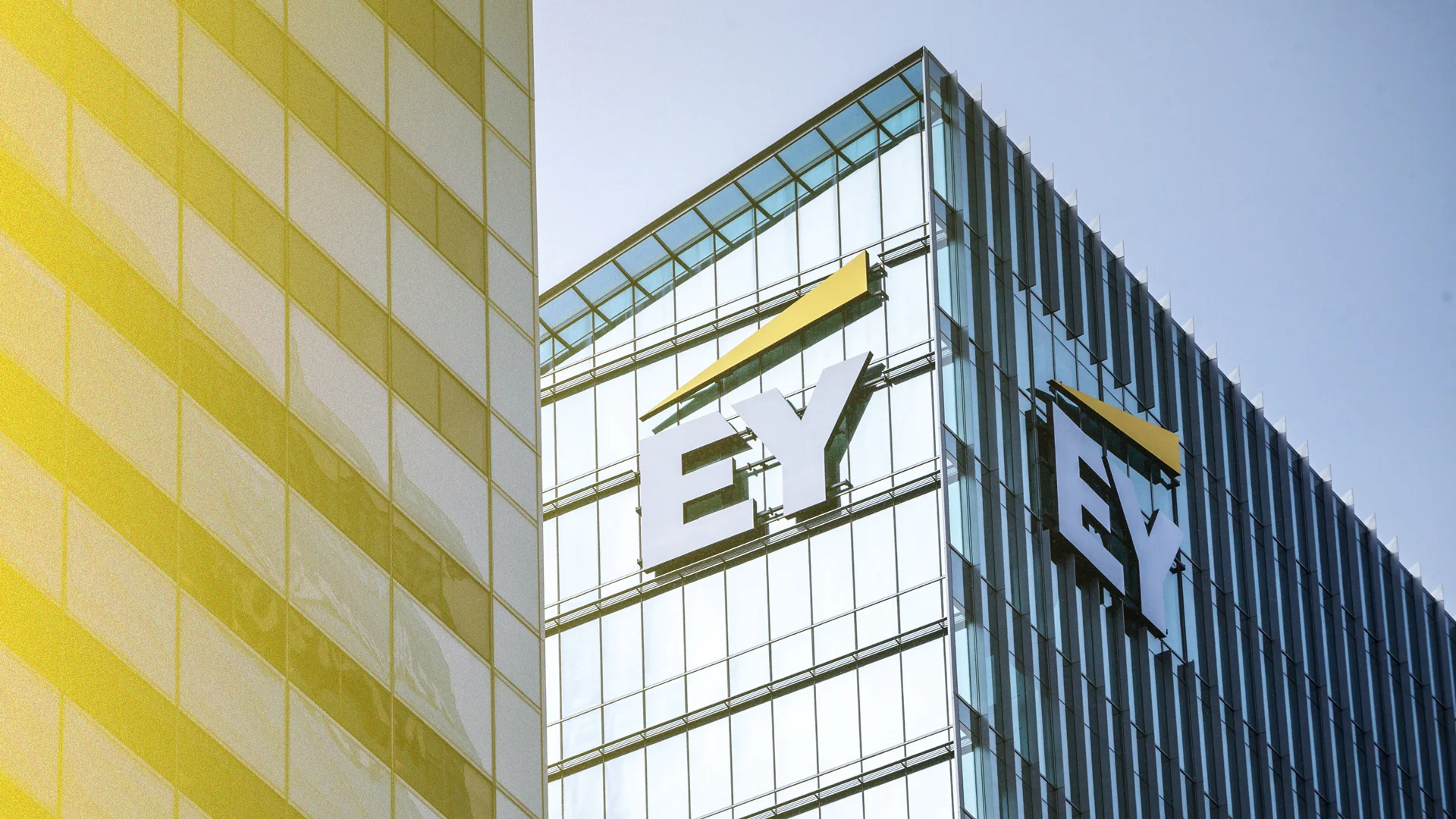
Source image: inc.com
inc.comThe Strategic Pivot in Corporate Compensation
In the contemporary corporate landscape, a company's true strategic priorities are laid bare by what it chooses to reward. Ernst & Young (EY US) has delivered a powerful masterclass in modern executive alignment by injecting a staggering $100 million into a specialized employee bonus and recognition initiative. Rather than funneling these resources solely into infrastructure or software licenses, the professional services titan is putting real capital directly behind the human skills required to thrive alongside generative artificial intelligence.
According to reports from financial markets, the program significantly expands individual financial incentives, raising the maximum payout cap to $25,000—a fivefold increase from previous thresholds. This aggressive restructuring of incentive architecture signals a profound cultural shift for one of the world's most influential professional services organizations. It demonstrates that leadership views human ingenuity not as a secondary asset, but as the primary driver of competitive advantage in an automated economy.
Decoding the Core Competencies of Tomorrow
As algorithms and machine learning models assume responsibility for repetitive computations, data processing, and baseline technical workflows, the corporate value chain is undergoing a violent inversion. EY’s new reward framework explicitly targets the intangible capabilities that separate routine execution from transformative leadership:
- Advanced Judgment: The ability to evaluate complex, ambiguous scenarios where historical data offers no clear blueprint.
- Cognitive Adaptability: The capacity to pivot strategies seamlessly as market conditions and technological paradigms shift.
- Radical Innovation & Experimentation: Proactively testing boundaries and utilizing AI tools to unlock novel business models rather than merely seeking efficiency gains.
- Collaborative Problem Solving: Fostering cross-functional synergy that bridges technical outputs with human empathy and stakeholder trust.
By attaching significant monetary value to these traits, leadership is signaling down the organizational chart that technical compliance is no longer enough. Employees must evolve into active orchestrators of technology, exercising critical oversight and creative vision.
Market Implications: Why Investors Must Pay Attention
For institutional investors, venture capitalists, and enterprise executives, EY’s $100 million gambit offers a vital lens through which to evaluate human capital management across global markets. The narrative that artificial intelligence will trigger a wholesale replacement of the corporate workforce is rapidly giving way to a more nuanced reality: the future belongs to integrated human-machine ecosystems.
Companies that fail to redesign their incentive structures to favor high-level cognitive and relational skills risk severe talent attrition and operational stagnation. Conversely, organizations that successfully champion human-centric capabilities will likely experience superior innovation velocity, enhanced client retention, and stronger cultural resilience. Human capital is shifting from a balance-sheet expense to an active vector of technological leverage.
Key Takeaways for Executive Leadership and Investors
As corporate entities scramble to carve out winning positions in the artificial intelligence race, business leaders must critically examine their own operational frameworks. To mirror the foresight demonstrated in EY's latest compensation overhaul, executives and market participants should monitor several critical indicators:
Ultimately, the $100 million investment by EY serves as a bellwether for executive leadership across all sectors. The future does not belong to humans versus machines, but to the organizations wise enough to heavily invest in the unique, unautomatable brilliance of their people.
Continue reading
Related coverage in Business
nytimes.com
David Ellison Targets CNN Leadership Continuity in Paramount Merger Talks
David Ellison is currently negotiating to retain CNN CEO Mark Thompson without oversight from CBS editor in chief Bari Weiss as parent companies navigate merger plans.
2 min read
bbc.com
Decoding Nike’s Slump: How Strategic Missteps Cost the Sportswear Titan Its Edge
Explore the factors behind Nike's dramatic market decline. Industry analysts dissect the self-inflicted strategic errors that shook the sportswear giant.
3 min read
bbc.com
Treasury Committee Directs HMRC to Investigate Tax Implications of Manchester City Case
The UK Treasury Committee has called on HMRC to closely examine potential tax ramifications arising from the high-profile Manchester City legal verdict.
3 min read
nytimes.com
US Imposes Sanctions on Russian Firm A7 Over Global Shell Company Evasion Schemes
The United States targets Russian financial firm A7 with new sanctions following reports of utilizing global shell companies to bypass existing economic restrictions.
3 min read