Driscoll’s Shakes Up Leadership as New CEO Inherits High-Stakes Pesticide and Legal Crisis
Soren Bjorn steps down as CEO of Driscoll's after less than three years, leaving family successor Brie Reiter Smith to navigate intense pesticide protests, lawsuits, and regulatory battles.
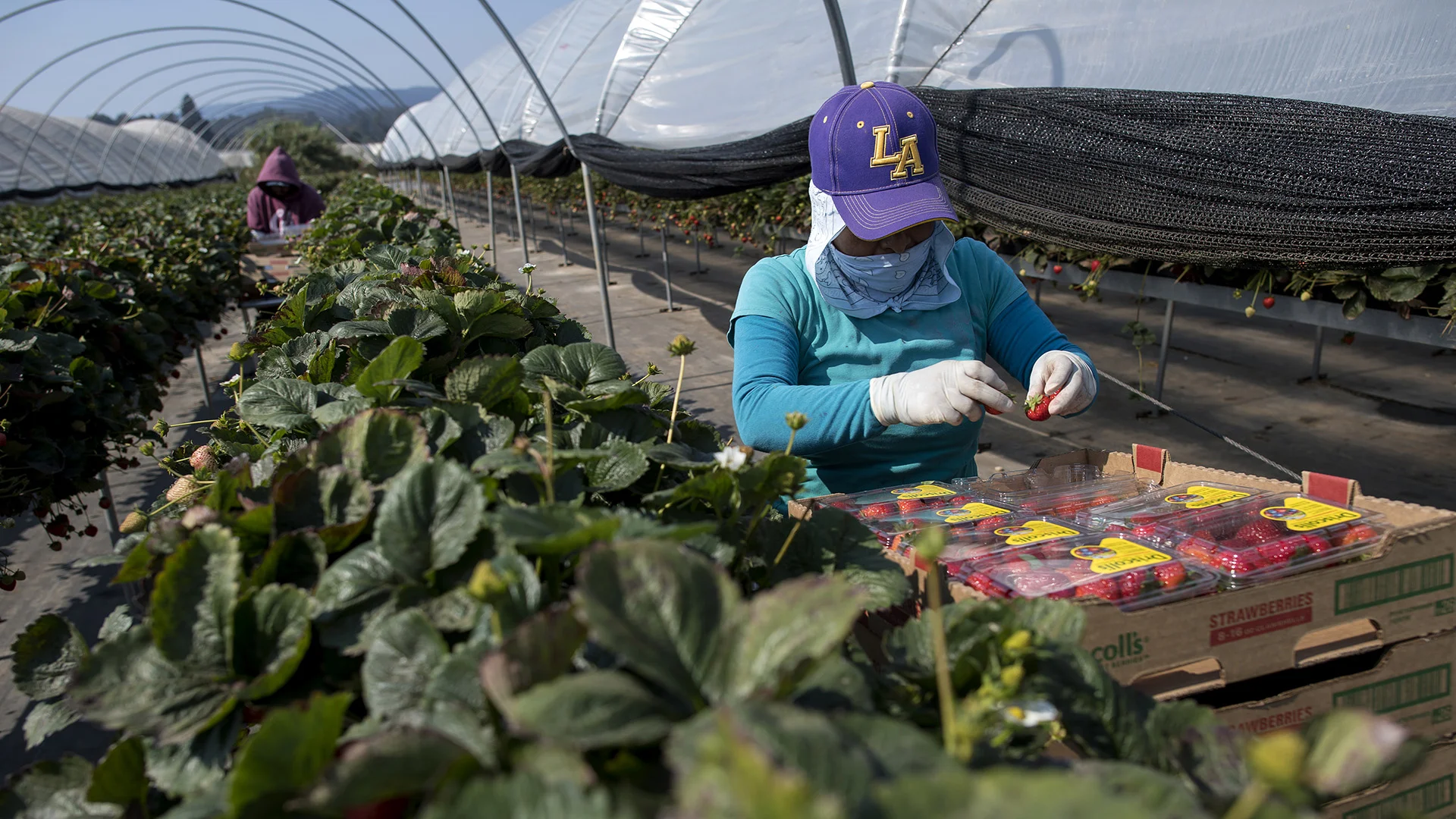
Source image: inc.com
inc.comA Leadership Transition at the World's Largest Berry Supplier
Driscoll's Inc., the Watsonville, California-based global titan in the fresh berry industry, has announced a sudden leadership shift. Soren Bjorn has stepped down as Chief Executive Officer after serving less than three years in the top post. He is succeeded immediately by Brie Reiter Smith, the great-granddaughter of one of the company's co-founders and the daughter of former CEO J. Miles Reiter. Smith transitions into the role after serving as the vice chair of the company's board of directors and spending over a decade in various operational capacities within the firm. While family legacy runs deep in the organization, Smith's inauguration arrives during one of the most tumultuous periods in Driscoll's corporate history.
The Catalyst: Protests, Public Scrutiny, and Community Tensions
The executive transition follows a prolonged and escalating campaign by community activists and environmental groups in California's Pajaro Valley—a central hub for berry production. Local advocates have fiercely opposed the application of traditional agricultural pesticides and gaseous fumigants near local schools and residential zones. Tensions boiled over following public health debates concerning regional cancer rates and demonstrations at high-profile events like the Watsonville Strawberry Festival. Last year, community demonstrations intensified dramatically when activists launched high-profile hunger strikes to pressure the corporate giant into expediting its transition toward completely organic farming methods.
Multi-Front Legal Challenges and Regulatory Pressures
Beyond grassroots demonstrations, Smith inherits a complex matrix of legal and compliance hurdles that threaten the brand's market standing:
- Consumer Class Actions: Driscoll's is currently defending federal class-action lawsuits alleging deceptive marketing and the presence of synthetic pesticide residues—including suspected PFAS compounds—in its fruit.
- Whistleblower Litigation: The company faces scrutiny from a former manager of food safety and regulatory compliance who filed a lawsuit claiming wrongful termination after raising internal red flags regarding regulatory limits.
- Brand Defense Strategy: Driscoll's has taken aggressive legal countermeasures, recently filing suit against social media entities and digital platforms accused of spreading misinformation regarding the health safety of its proprietary berry varieties.
Market Implications for Agribusiness and Investors
As consumer consciousness shifts toward sustainable and transparent food supply chains, agribusiness giants face unprecedented scrutiny over chemical usage and environmental stewardship. Driscoll's operates under a model where it licenses proprietary, patented berry varieties to a vast network of independent growers rather than owning the fields directly. This decentralized operational structure makes enforcing uniform pesticide reduction policies extraordinarily difficult, creating systemic risk for private equity and agricultural investors tracking environmental, social, and governance (ESG) metrics.
What Investors and Executives Should Watch
As Brie Reiter Smith takes control, institutional stakeholders and industry observers should monitor several critical indicators:
Pace of Organic Conversion: How aggressively the company transitions its independent grower network toward organic and alternative pest management solutions.
Litigation Outcomes: The trajectory of ongoing consumer class actions and whistleblower complaints, which could set legal precedents for the broader agricultural sector.
Stakeholder Engagement: Whether Smith’s direct, communicative approach with local activists can successfully de-escalate community friction or if polarization will persist.
Continue reading
Related coverage in Business
nytimes.com
David Ellison Targets CNN Leadership Continuity in Paramount Merger Talks
David Ellison is currently negotiating to retain CNN CEO Mark Thompson without oversight from CBS editor in chief Bari Weiss as parent companies navigate merger plans.
2 min read
bbc.com
Decoding Nike’s Slump: How Strategic Missteps Cost the Sportswear Titan Its Edge
Explore the factors behind Nike's dramatic market decline. Industry analysts dissect the self-inflicted strategic errors that shook the sportswear giant.
3 min read
bbc.com
Treasury Committee Directs HMRC to Investigate Tax Implications of Manchester City Case
The UK Treasury Committee has called on HMRC to closely examine potential tax ramifications arising from the high-profile Manchester City legal verdict.
3 min read
nytimes.com
US Imposes Sanctions on Russian Firm A7 Over Global Shell Company Evasion Schemes
The United States targets Russian financial firm A7 with new sanctions following reports of utilizing global shell companies to bypass existing economic restrictions.
3 min read