Dogecoin Enters Decentralized Finance as DogeOS Launches Public Testnet
The MyDoge wallet team has launched the public testnet for DogeOS, a layer introducing smart contracts, lending platforms, and games to the Dogecoin network.
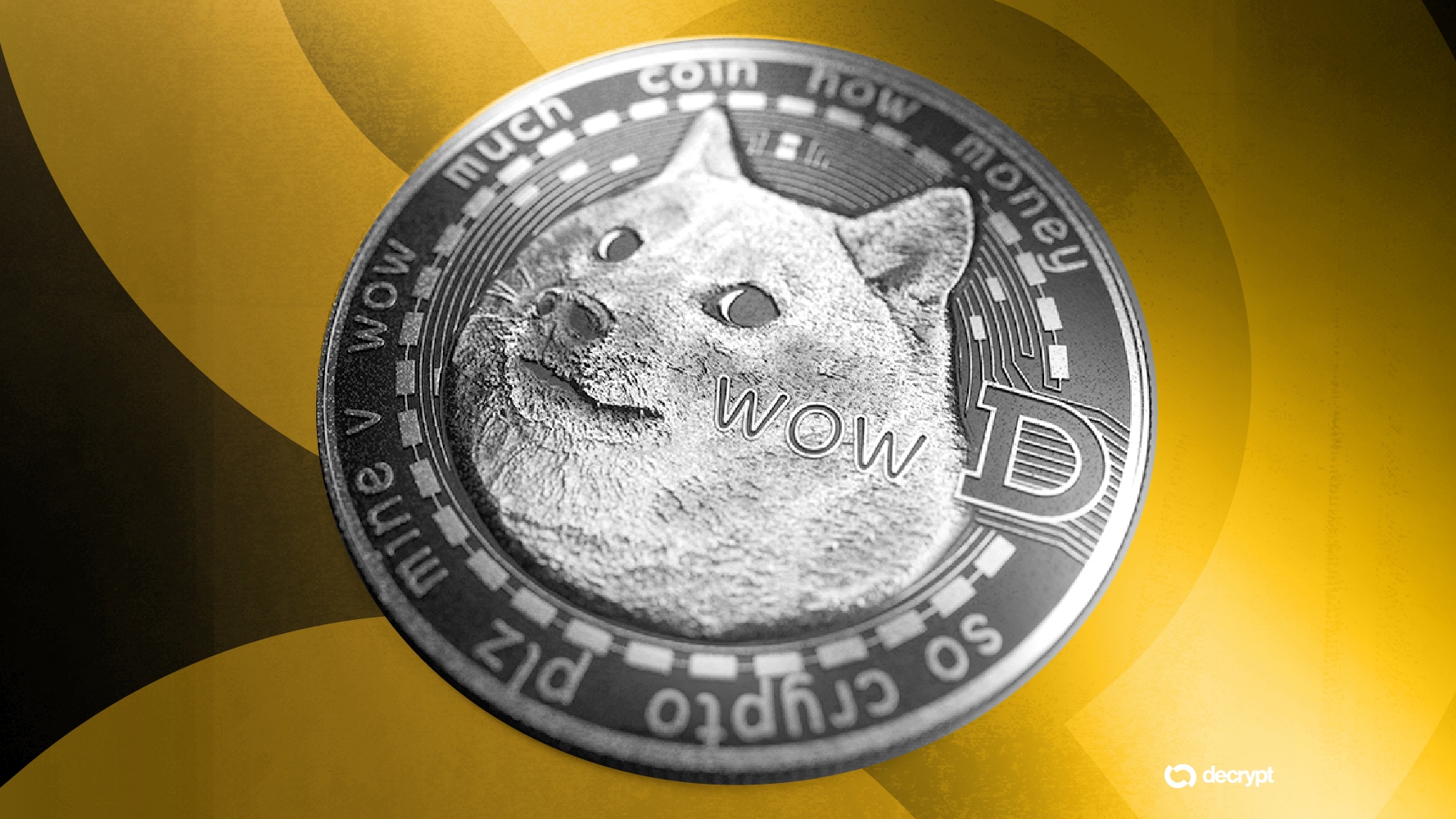
Source image: decrypt.co
decrypt.coExpanding Dogecoin Beyond Peer-to-Peer Payments
The developer team behind the MyDoge wallet has officially opened a public testnet for DogeOS, an application layer engineered to bring programmable smart contracts to the Dogecoin network. Historically, Dogecoin has operated purely as a base-layer peer-to-peer digital currency, remaining largely isolated from the broader decentralized application (dApp) and decentralized finance (DeFi) sectors. The introduction of DogeOS marks a strategic shift, providing infrastructure that permits developers to deploy complex protocols—including lending platforms, automated market makers, stablecoins, and gaming environments—directly linked to the iconic meme coin ecosystem.
Technical Architecture and Developer Integration
DogeOS functions as an EVM-compatible layer, meaning that software engineers already accustomed to building applications for Ethereum-based environments can utilize familiar developer tools like Hardhat, Foundry, and EthersJS. During the testnet phase, the network relies on a configuration combining validators, a permissioned sequencer, and trusted execution environments (TEEs) to manage security and bridge state transitions. Importantly, the network design relies on DOGE as the native token for covering transaction fees and executing smart contracts, ensuring that network activity directly involves the underlying asset rather than requiring a separate ecosystem token.
Market Implications for Investors and Entrepreneurs
For investors, entrepreneurs, and fintech executives, the opening of the testnet presents a fresh avenue for capturing value within a historically retail-driven community. Several early-stage projects have already begun testing protocols within the ecosystem, targeting specialized niches such as liquidity provision, lending, algorithmic stablecoins, and prediction markets. By routing transaction fees through DOGE, the infrastructure attempts to create recurring on-chain demand and utility for holders. This development bridges the gap between massive global brand recognition and technical utility, potentially attracting institutional and venture capital interest similar to the project's earlier funding rounds.
What Watchers Should Monitor Next
As the public testnet progresses, market participants and developers should keep a close eye on several critical milestones:
- Network Stability and Adoption: Monitor how effectively the testnet handles developer onboarding, transaction throughput, and dApp performance under load.
- Mainnet Timeline Announcements: Watch for official updates regarding when the project intends to transition from a test environment to a live mainnet production release.
- Core Protocol Upgrades: Track any movement on proposed Dogecoin Core changes aimed at introducing native zero-knowledge proof verification, which would alter how execution proofs are validated at the base-layer level.
For more details and reader verification, access the original report at Decrypt.
Continue reading
Related coverage in Crypto
cointelegraph.com
Trump Schedules Third Memecoin Holder Dinner Amid Growing Corruption Scrutiny
President Trump is set to host his third exclusive memecoin dinner for top token holders at his Washington, DC golf club, drawing renewed ethical and market scrutiny.
3 min read
cointelegraph.com
50,000 Europeans Petition EU to Relax MiCA Stablecoin Reward Restrictions
A new 50,000-letter campaign is urging Brussels to ease stablecoin rewards restrictions during the MiCA review, aligning with broader central bank pushes.
2 min read
cryptonews.com
Dogecoin Eyes $1 Milestone as DogeOS Testnet Launch Sparks Utility Speculation
Dogecoin trades at $0.09447 as the DogeOS testnet goes live. Traders eye the $0.098 resistance and psychological $0.10 mark amid fresh utility potential.
2 min read
decrypt.co
Bitcoin Enters 'Uptober' Amid Fed Rate Hike Pressures and 5.3% Treasury Yields
Bitcoin enters its historically strongest month following a record September, yet rising Federal Reserve rate hike fears and 5.3% Treasury yields present major hurdles.
2 min read