Disrupting Healthcare Costs: How Engineering Students 3D-Printed a $4,000 Mobility Device for Fractions of the Price
Discover how Cal Poly engineering students bypassed prohibitive medical costs by 3D-printing a custom mobility trainer for a toddler, exposing massive market gaps.
Source image: inc.com
inc.comThe High Cost of Pediatric Mobility and Insurance Gaps
In the specialized world of pediatric medical hardware, families often find themselves trapped between prohibitive market pricing and rigid corporate insurance models. For Caitlin Bledsoe, whose toddler suffered a debilitating stroke resulting in a traumatic brain injury and limited motor function, the financial reality of recovery became starkly apparent. Commercial mobility trainers—essential tools designed to help children learn to stand, walk, and regain independence—can cost upwards of $4,000 out of pocket. Compounding the crisis, standard insurance policies frequently limit coverage to a single device every five years. For a rapidly developing toddler who outgrows equipment annually, this restriction creates an untenable financial burden for households.
Grassroots Innovation Meets Advanced Manufacturing
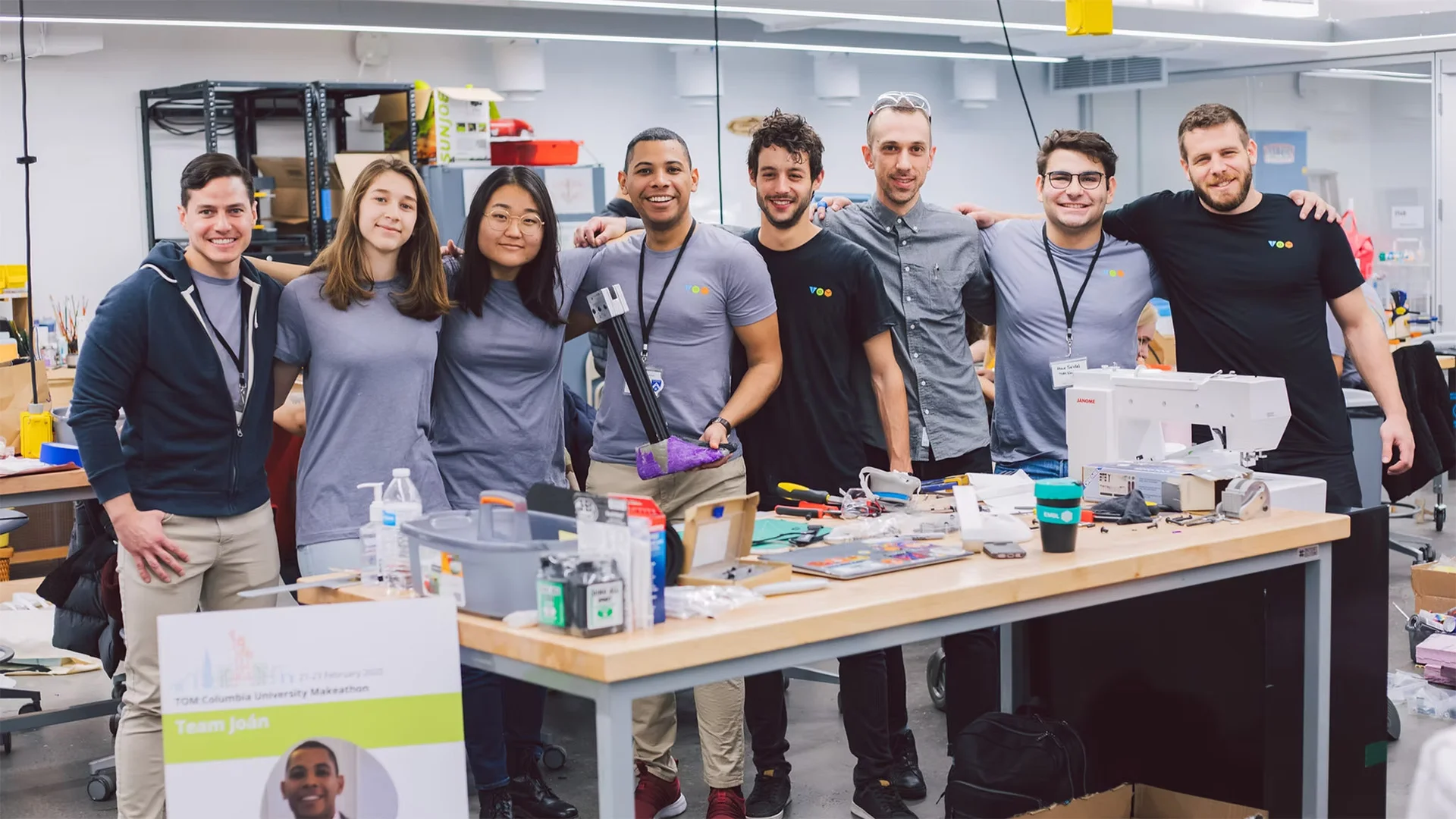
Seeking an alternative to exorbitant commercial expenses, the family connected with the Cal Poly chapter of Tikkun Olam Makers (TOM), a global movement dedicated to creating affordable technological solutions for individuals with disabilities. Led by mechanical engineering junior Noah Alloun and project manager Eitan Ziegel, a student team at the Mustang Makerspace tackled the challenge using accessible, decentralized technology. Over two intensive sessions, the team logged 285 hours of 3D-printing time, tailoring the device precisely to the toddler's physical dimensions. By leveraging basic materials, open-source digital blueprints, and standard desktop manufacturing tools, the students successfully constructed a robust mobility trainer that reduced production costs to an estimated $200 to $250.
Market Implications and the Open-Source Health Revolution
The success of the Cal Poly build underscores a broader structural shift rippling through the medical technology sector. Traditional medical device manufacturers operate on high-margin, low-volume models that protect intellectual property and secure corporate profits, often leaving vulnerable consumer segments underserved. However, the intersection of affordable 3D printing and collaborative student-led networks introduces a compelling parallel economy:
- Decentralized Production: Localized manufacturing bypasses traditional global supply chain bottlenecks and heavy logistical markups.
- Hyper-Customization: Unlike mass-produced medical hardware that requires expensive modular adjustments, open-source designs can be scaled instantly to fit a growing child's exact specifications.
- Challenging Monopolies: Grassroots initiatives expose the immense markup margins prevalent in standard durable medical equipment (DME).
What Investors and Industry Leaders Should Watch
For forward-thinking executives, investors, and entrepreneurs, this case study signals critical trends worth monitoring across the healthcare and manufacturing landscapes. As consumer-grade 3D printers become more sophisticated and open-source medical blueprint repositories expand, traditional medical device manufacturers will face mounting pressure to justify steep retail prices. Venture capitalists are increasingly eyeing decentralized healthcare networks, patient-centric design firms, and localized manufacturing start-ups that empower communities to solve micro-market inefficiencies. While liability and regulatory compliance remain hurdles for peer-produced medical hardware, the demand for cost-effective, adaptable alternatives points toward a future where hardware-as-a-service and open-source medical collaboration redefine entry barriers in clinical care.
Continue reading
Related coverage in Business
nytimes.com
David Ellison Targets CNN Leadership Continuity in Paramount Merger Talks
David Ellison is currently negotiating to retain CNN CEO Mark Thompson without oversight from CBS editor in chief Bari Weiss as parent companies navigate merger plans.
2 min read
bbc.com
Decoding Nike’s Slump: How Strategic Missteps Cost the Sportswear Titan Its Edge
Explore the factors behind Nike's dramatic market decline. Industry analysts dissect the self-inflicted strategic errors that shook the sportswear giant.
3 min read
bbc.com
Treasury Committee Directs HMRC to Investigate Tax Implications of Manchester City Case
The UK Treasury Committee has called on HMRC to closely examine potential tax ramifications arising from the high-profile Manchester City legal verdict.
3 min read
nytimes.com
US Imposes Sanctions on Russian Firm A7 Over Global Shell Company Evasion Schemes
The United States targets Russian financial firm A7 with new sanctions following reports of utilizing global shell companies to bypass existing economic restrictions.
3 min read