Decoding Tim Cook’s Final Apple Memo: A Masterclass in Legacy and Leadership Dynamics
As Tim Cook steps down after 15 transformative years at Apple, his final memo to employees offers critical insights into corporate culture, succession, and executive mindset.
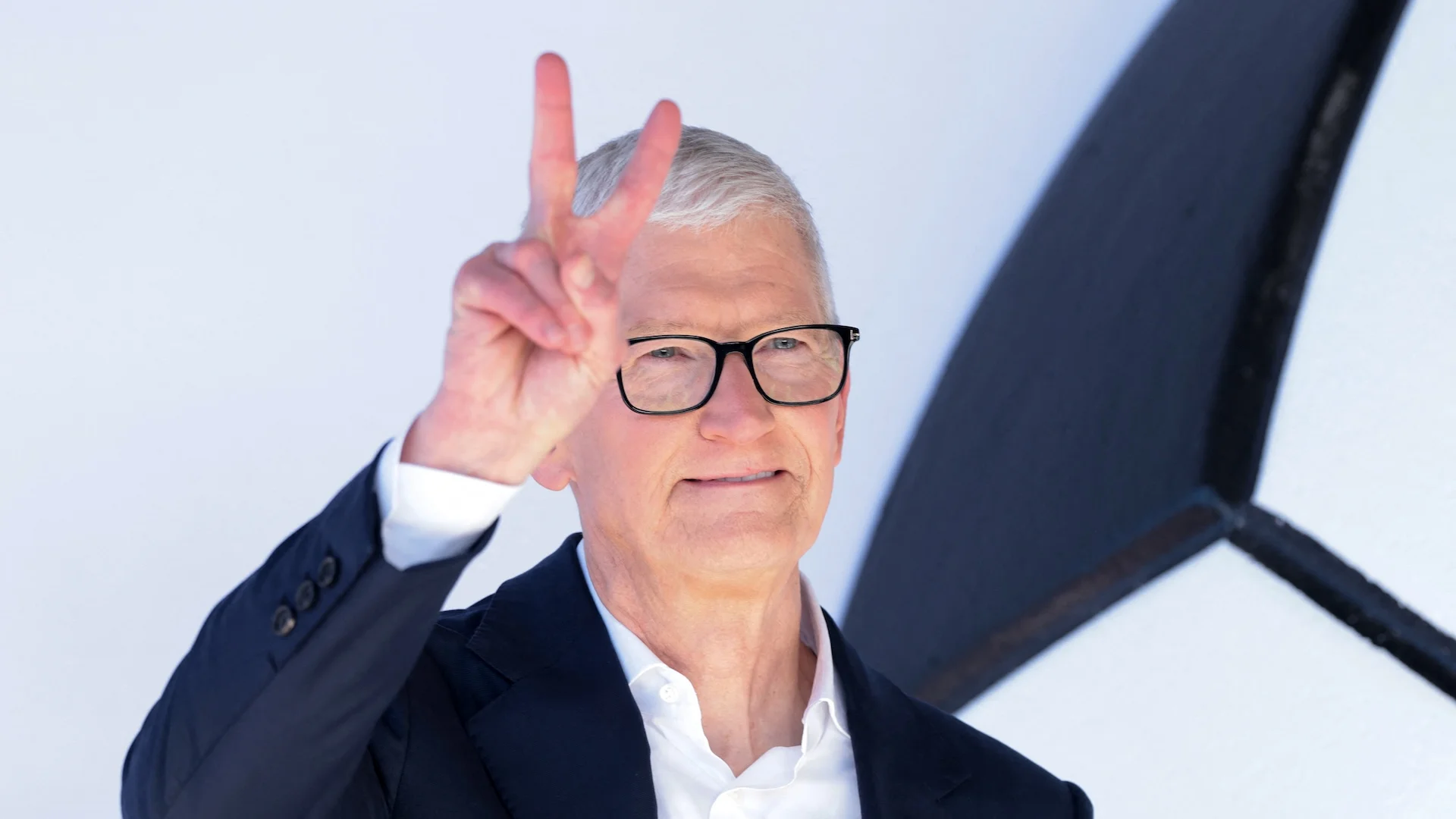
Source image: inc.com
inc.comThe End of an Era at Apple
As Tim Cook officially steps down from his role as Chief Executive Officer, handing over leadership to longtime hardware chief John Ternus, Wall Street and Silicon Valley alike are pausing to reflect on a remarkable chapter in corporate history. Over the past decade and a half, Cook navigated Apple through unprecedented economic cycles, regulatory scrutiny, and technological paradigm shifts. Transitioning into his new role as Executive Chairman, Cook leaves behind a corporate titan that redefined global technology and generated staggering financial returns for shareholders.
Yet, the most revealing aspect of Cook’s departure is not found in quarterly earnings reports or financial retrospectives, but in his final missive to the global workforce. Eschewing a victory lap centered around market capitalization records or supply chain mastery, Cook chose to spotlight corporate culture and human capital. His final message provides a rare window into the psychological framework required to sustain an elite enterprise at scale.
Dissecting the Farewell Memo: Core Leadership Tenets
In his final communication to employees, Cook emphasized that the true measure of Apple's success defied quantification by standard corporate metrics. Several core leadership principles emerge from his parting words:
- Culture Precedes Performance: Cook explicitly noted that Apple stands as enduring proof that a robust, values-driven culture triumphs over standard operational mechanics.
- Collective Elevation: Acknowledging his own tenure, Cook stressed that executive achievement is a byproduct of empowering exceptional teams rather than top-down decree.
- Purpose-Driven Execution: Sustainable innovation stems from an organization-wide belief that its output profoundly impacts the broader world.
For executive leadership teams across the global business landscape, these tenets reinforce the reality that robust operational frameworks must be underpinned by a cohesive, shared internal ethos to survive leadership transitions.
Market Implications and the Succession Factor
For investors, leadership transitions at trillion-dollar behemoths inherently introduce short-term volatility and strategic uncertainty. John Ternus inherits an enterprise operating at an immense scale, where maintaining growth momentum in core hardware while accelerating advancements in artificial intelligence and spatial computing represents a formidable balancing act.
However, Cook's seamless transition strategy—supported by his ongoing presence as Executive Chairman—signals structural stability. The market has largely responded with confidence, recognizing that Apple’s institutional stability is baked into its rigorous talent pipeline and deeply embedded operational discipline. The broader economic takeaway is clear: enterprises that successfully institutionalize their core values minimize the disruption typically associated with founder or long-tenured CEO departures.
What Investors and Executives Should Watch
As Apple steps into the post-Cook era, market observers and stakeholders should monitor several key indicators:
- Strategic Continuity vs. Innovation: Watch how John Ternus balances iterative hardware excellence with bold new product categories, particularly in AI integration.
- Cultural Retention: Evaluate whether incoming leadership can preserve the cross-functional collaboration and secrecy that defined Cook's operational playbook.
- Ecosystem Monetization: Monitor the continued expansion of Apple's high-margin services sector, which serves as a crucial hedge against hardware replacement cycle fluctuations.
Ultimately, Tim Cook’s farewell serves as a timeless reminder that while financial metrics dictate market valuation today, it is corporate culture and human alignment that secure an enterprise's legacy tomorrow. For executives navigating their own growth trajectories, mastering this balance is the ultimate competitive advantage.
Continue reading
Related coverage in Business
nytimes.com
David Ellison Targets CNN Leadership Continuity in Paramount Merger Talks
David Ellison is currently negotiating to retain CNN CEO Mark Thompson without oversight from CBS editor in chief Bari Weiss as parent companies navigate merger plans.
2 min read
bbc.com
Decoding Nike’s Slump: How Strategic Missteps Cost the Sportswear Titan Its Edge
Explore the factors behind Nike's dramatic market decline. Industry analysts dissect the self-inflicted strategic errors that shook the sportswear giant.
3 min read
bbc.com
Treasury Committee Directs HMRC to Investigate Tax Implications of Manchester City Case
The UK Treasury Committee has called on HMRC to closely examine potential tax ramifications arising from the high-profile Manchester City legal verdict.
3 min read
nytimes.com
US Imposes Sanctions on Russian Firm A7 Over Global Shell Company Evasion Schemes
The United States targets Russian financial firm A7 with new sanctions following reports of utilizing global shell companies to bypass existing economic restrictions.
3 min read