Decoding the $2.3 Billion Spider-Man Marketing Playbook Every Executive Should Copy
Discover how Sony bypassed traditional advertising budgets to generate $2.3 billion globally by transforming consumers into active brand distributors and partners.
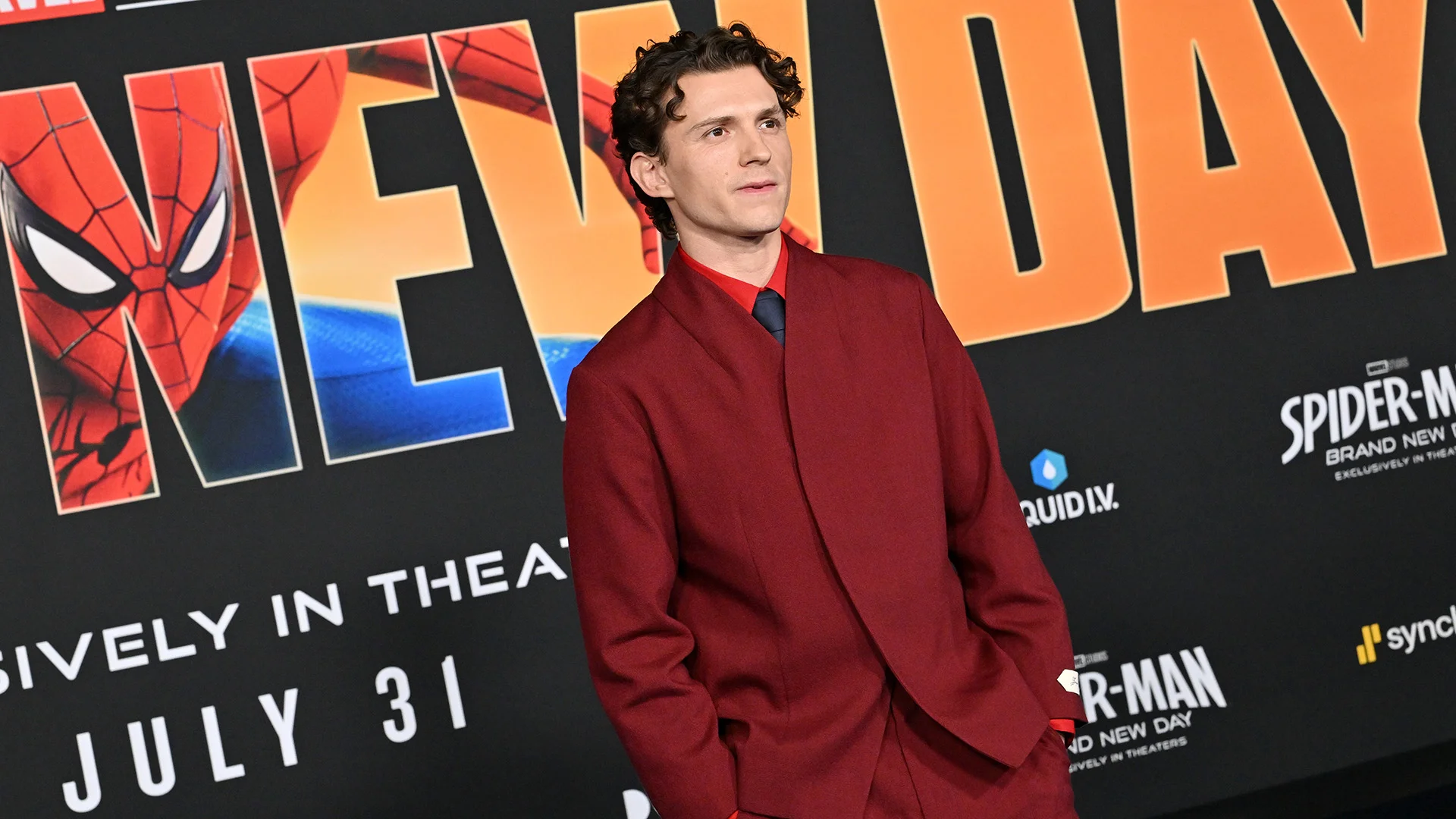
Source image: inc.com
inc.comThe Paradigm Shift in Modern Enterprise Marketing
In an era where consumer ad-fatigue is at an all-time high and traditional broadcast channels face dwindling trust, breaking through the noise requires more than a hefty budget. The monumental success of Sony Pictures' Spider-Man: Brand New Day—surpassing $2.3 billion globally—serves as a masterclass in modern commercial strategy. Rather than relying on conventional studio formulas that flood airwaves with expensive interruptions, Sony engineered a decentralized ecosystem of cultural participation. For corporate executives, founders, and investors, this historic box office triumph offers invaluable blueprints on how to turn audiences into organic brand distributors.
Anatomy of a Record-Breaking Campaign
The numbers behind the campaign are as staggering as they are instructive. Sony strategically allocated a modest $3.6 million to national television advertising—a stark contrast to the standard $20 million to $25 million genre norm. Instead of buying visibility, they built distribution architecture through strategic collaborations:
- 165 Global Brand Partnerships: Collaborating with heavyweights like BMW, McDonald's, and Little Caesars to weave the franchise directly into daily consumer touchpoints.
- $309 Million in Promotional Value: Surpassing previous industry benchmarks by letting partner networks amplify the marketing message organically.
- 2.86 Billion Social Reach: Cultivating an online movement where fans felt genuine ownership, driving massive user-generated content across TikTok, Instagram, and YouTube.
Why Traditional Advertising Is Failing Executives
Modern consumers possess highly sophisticated filters designed to bypass traditional pitches. Whether online or in entertainment, audiences actively reject hard-sell tactics. Sony recognized that trying to force top-down awareness yields diminishing returns. By minimizing aggressive ad spends and leaning into authentic, community-first messaging, the studio allowed the product to speak for itself. When a brand shifts its focus from performance to connection, the consumer dynamic transforms from a transaction to a shared cultural experience.
Market Implications and Strategic Takeaways
The ripples of this marketing triumph extend far beyond Hollywood. Across sectors—from enterprise technology to consumer packaged goods—companies are learning that ecosystem-driven marketing outperforms siloed campaigns. Key market implications include:
- Decentralized Reach: Relying on a network of diverse partners allows a brand to speak different community dialects simultaneously rather than relying on a monolithic message.
- Authenticity as Currency: Allowing leadership, talent, or brand ambassadors to show up as genuine humans rather than corporate mouthpieces builds durable trust.
- Capital Efficiency: Directing resources toward high-leverage partnerships and organic community engagement delivers superior ROI compared to conventional ad-buy inflation.
What Investors and Leaders Should Watch
As we navigate deeper into an economy shaped by digital noise and AI-generated content, investors should evaluate portfolio companies on their ability to build organic communities rather than just tracking top-line ad expenditures. Companies that master the art of turning users into advocates will consistently outperform competitors trapped in traditional acquisition funnels. The Spider-Man playbook proves that when you stop performing and start connecting, scale naturally follows.
Continue reading
Related coverage in Business
nytimes.com
David Ellison Targets CNN Leadership Continuity in Paramount Merger Talks
David Ellison is currently negotiating to retain CNN CEO Mark Thompson without oversight from CBS editor in chief Bari Weiss as parent companies navigate merger plans.
2 min read
bbc.com
Decoding Nike’s Slump: How Strategic Missteps Cost the Sportswear Titan Its Edge
Explore the factors behind Nike's dramatic market decline. Industry analysts dissect the self-inflicted strategic errors that shook the sportswear giant.
3 min read
bbc.com
Treasury Committee Directs HMRC to Investigate Tax Implications of Manchester City Case
The UK Treasury Committee has called on HMRC to closely examine potential tax ramifications arising from the high-profile Manchester City legal verdict.
3 min read
nytimes.com
US Imposes Sanctions on Russian Firm A7 Over Global Shell Company Evasion Schemes
The United States targets Russian financial firm A7 with new sanctions following reports of utilizing global shell companies to bypass existing economic restrictions.
3 min read