Decoding Longevity: Breakthrough Study Reveals How Caffeine Triggers Cellular Repair and Extends Life
New scientific research reveals that caffeine activates a core cellular energy switch, enhancing stress resistance, DNA repair, and longevity markers.
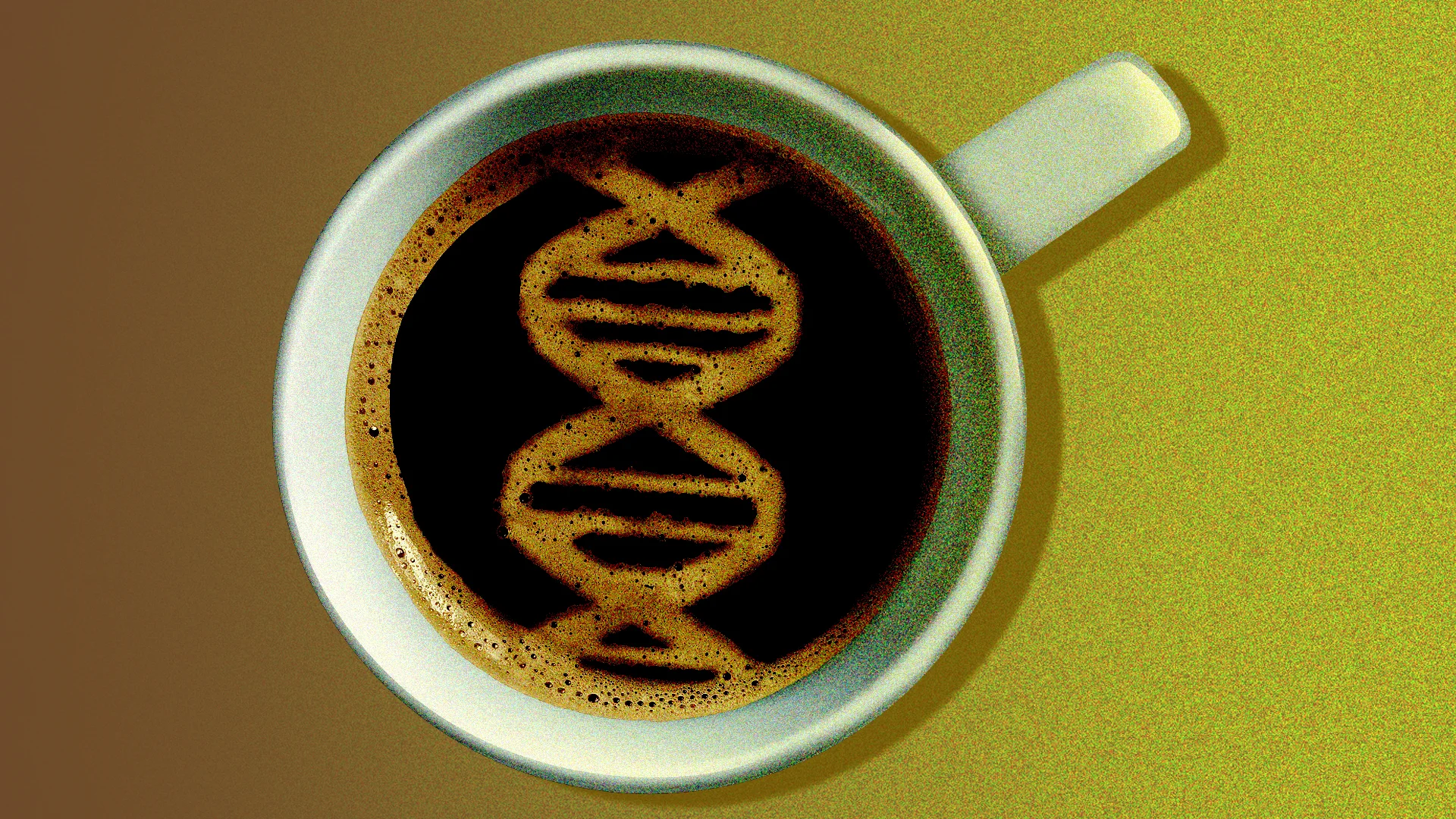
Source image: inc.com
inc.comUnlocking the Molecular Secrets of Caffeine
For millions of executives, entrepreneurs, and high-performers worldwide, the daily routine begins with a cup of coffee designed to sharpen cognitive focus and banish morning fatigue. However, a groundbreaking study conducted by researchers at Queen Mary University of London suggests that the world’s most popular neuroactive compound offers benefits that extend far beyond acute alertness. Published in the journal Microbial Cell, the research demonstrates that caffeine plays an active role in regulating cellular aging by interacting with deeply conserved energy-sensing networks.
While epidemiologists have long associated moderate coffee consumption with a reduced risk of age-related diseases and improved overall longevity, the precise biological mechanisms operating inside human cells remained largely obscure. This latest investigation provides critical clarity, demonstrating that caffeine acts upon fundamental systems responsible for maintaining metabolic balance, cellular stress resistance, and long-term vitality.
The Cellular Fuel Gauge: How AMPK Dictates Longevity
To uncover how caffeine influences lifespan at a microscopic level, researchers studied fission yeast—a single-celled organism sharing significant genetic and biological similarities with human cells. Past investigations by the same laboratory identified that caffeine influences the Target of Rapamycin (TOR) pathway, an ancient biological switch governing cell growth in response to nutritional availability. However, the new findings reveal a more nuanced upstream trigger.
The study established that caffeine successfully activates AMP-activated protein kinase (AMPK), which serves as the primary cellular fuel gauge. When cells encounter low-energy states or environmental stressors, AMPK initiates protective measures to restore homeostasis. Dr. Charalampos “Babis” Rallis, senior author of the study, noted that caffeine essentially helps flip this critical switch, prompting cells to adapt efficiently to stress.
- Stress Resistance: Activated AMPK fortifies cellular defenses against external environmental pressures.
- DNA Repair: Enhanced pathway efficiency supports genomic stability and proactive damage mitigation.
- Metabolic Balance: Cellular energy distribution is optimized to prevent premature senescence.
Market Implications and Biotechnology Horizons
From an economic and industrial perspective, validating the molecular pathways associated with longevity compounds carries substantial weight. The longevity economy has transitioned from fringe biohacking into a multi-billion-dollar sector attracting heavy institutional investment. Understanding how common compounds like caffeine interact with pathways such as AMPK—which is also targeted by prominent diabetes and longevity therapeutics like metformin—opens fresh commercial opportunities.
Biotechnology and pharmaceutical firms are closely monitoring these developments. By mapping the exact receptor interactions and downstream enzyme activations, drug developers can design targeted therapeutics that mimic or enhance the longevity-promoting effects of dietary compounds without adverse side effects. nutraceutical companies, functional beverage brands, and personalized medicine startups stand to benefit immensely as consumer demand shifts toward scientifically validated health span extensions.
What Investors and Executives Should Watch
As longevity science merges with mainstream consumer products, investors evaluating opportunities in the health and wellness space should monitor several key indicators:
- Therapeutic Pipeline Advancements: Clinical trials targeting AMPK and related metabolic pathways for age-related pathology.
- Functional Beverage Innovation: Consumer brands leveraging scientifically backed ingredients positioned around cellular health rather than simple energy boosts.
- Regulatory Shifts: Evolving health claims surrounding functional foods and longevity supplements across global markets.
Ultimately, while daily coffee consumption will remain a staple of executive productivity, the institutional validation of its cellular mechanisms elevates caffeine from a simple stimulant to a fascinating baseline model for pharmaceutical and nutritional longevity research.
Continue reading
Related coverage in Business
nytimes.com
David Ellison Targets CNN Leadership Continuity in Paramount Merger Talks
David Ellison is currently negotiating to retain CNN CEO Mark Thompson without oversight from CBS editor in chief Bari Weiss as parent companies navigate merger plans.
2 min read
bbc.com
Decoding Nike’s Slump: How Strategic Missteps Cost the Sportswear Titan Its Edge
Explore the factors behind Nike's dramatic market decline. Industry analysts dissect the self-inflicted strategic errors that shook the sportswear giant.
3 min read
bbc.com
Treasury Committee Directs HMRC to Investigate Tax Implications of Manchester City Case
The UK Treasury Committee has called on HMRC to closely examine potential tax ramifications arising from the high-profile Manchester City legal verdict.
3 min read
nytimes.com
US Imposes Sanctions on Russian Firm A7 Over Global Shell Company Evasion Schemes
The United States targets Russian financial firm A7 with new sanctions following reports of utilizing global shell companies to bypass existing economic restrictions.
3 min read