Cycling Giant Accell Group Navigates Insolvency: What It Means for Raleigh and the Global Bike Market
Accell Group, the Dutch parent company of iconic bicycle brands like Raleigh, has initiated insolvency proceedings. This development sends ripples across the cycling industry, impacting brand futures and market dynamics.
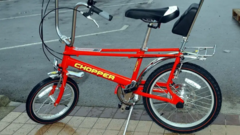
Source image: bbc.com
bbc.comAccell Group Files for Insolvency: A Deep Dive into Market Implications
Accell Group, the venerable Dutch conglomerate behind a stable of iconic bicycle brands including Raleigh, Lapierre, and Koga, has formally initiated insolvency proceedings. This significant development, emanating from its Netherlands headquarters, casts a long shadow across the global cycling industry, signaling a period of profound uncertainty and potential upheaval for one of the sector's most prominent players.
The announcement underscores the escalating financial pressures that have been mounting within Accell Group. While the precise catalysts for this insolvency are yet to be fully detailed, it is widely understood that a confluence of factors has contributed to the company's predicament. These likely include a challenging post-pandemic market correction, where an initial surge in bicycle demand has normalized, leaving some manufacturers with excess inventory. Furthermore, intense competition, particularly from agile direct-to-consumer brands and increasingly sophisticated Asian manufacturers, has squeezed profit margins. Supply chain disruptions, fluctuating raw material costs, and evolving consumer preferences towards electric bikes and subscription models have also presented formidable operational and strategic hurdles.
Why This Matters: The Ripple Effect on Iconic Brands and the Industry
The insolvency of Accell Group is not merely a corporate event; it is a seismic shift with far-reaching consequences. For brands like Raleigh, which boasts a rich heritage dating back over a century and a half, this news introduces an existential question mark. Raleigh, acquired by Accell in 2012, is a name synonymous with cycling history, holding a cherished place in the hearts of enthusiasts globally. The future ownership, strategic direction, and even continued existence of such storied brands are now subject to the outcomes of the insolvency process. This could involve asset sales, brand divestitures, or even the unfortunate discontinuation of certain product lines.
Beyond individual brands, the broader bicycle industry will feel the tremors. Accell Group’s substantial market share, particularly in Europe, means that its restructuring or potential fragmentation will inevitably lead to a reallocation of market dynamics. Competitors will be eyeing opportunities to acquire distressed assets or capture market share. This could accelerate consolidation within the industry, with larger, more financially robust entities potentially absorbing parts of Accell's portfolio. Conversely, it could also create a vacuum that nimble, innovative startups might seek to fill, particularly in niche segments like urban mobility or specialized e-bikes.
Market Implications and What Investors Should Watch
For investors, the situation at Accell Group presents a complex landscape of risks and potential opportunities. The immediate concern will be the recovery prospects for creditors and the valuation of Accell's remaining assets. However, the broader implications extend to publicly traded competitors and suppliers within the cycling ecosystem. Companies that either compete directly with Accell's brands or supply components to them will need to assess the potential for increased competition, altered supply chain relationships, or even new partnership opportunities.
Investors should closely monitor several key indicators as the insolvency proceedings unfold:
- Asset Sales and Brand Acquisitions: The divestiture of Accell's brands will be a critical event. Who acquires Raleigh, Lapierre, or Koga will dictate their future trajectory and market positioning. Potential acquirers could include private equity firms, larger sporting goods conglomerates, or even rival bicycle manufacturers looking to expand their portfolios.
- Restructuring Outcomes: The nature of the restructuring plan will reveal the long-term viability of Accell's remaining operations. A successful restructuring could lead to a leaner, more focused entity, while a protracted or unsuccessful process could result in liquidation.
- Industry Consolidation: This event could be a catalyst for further consolidation in the bicycle market. Investors should watch for M&A activity among other players as they seek to capitalize on Accell's distress.
- Supply Chain Stability: Accell's financial woes could impact its suppliers. Monitoring the stability of key component manufacturers and their relationships with other bicycle brands will be important.
- Consumer Demand Shifts: The underlying trends in consumer demand for bicycles, particularly the continued growth of the e-bike segment and the evolving preferences for sustainable transport, will continue to shape the industry's future, irrespective of Accell's immediate fate.
In conclusion, Accell Group's insolvency is a stark reminder of the dynamic and often unforgiving nature of the consumer goods market. While it presents significant challenges for the company and its storied brands, it also ushers in a period of potential transformation and realignment for the entire global bicycle industry. Astute investors and industry observers will be watching closely to discern the emerging opportunities and navigate the evolving competitive landscape.
Continue reading
Related coverage in Business
nytimes.com
David Ellison Targets CNN Leadership Continuity in Paramount Merger Talks
David Ellison is currently negotiating to retain CNN CEO Mark Thompson without oversight from CBS editor in chief Bari Weiss as parent companies navigate merger plans.
2 min read
bbc.com
Decoding Nike’s Slump: How Strategic Missteps Cost the Sportswear Titan Its Edge
Explore the factors behind Nike's dramatic market decline. Industry analysts dissect the self-inflicted strategic errors that shook the sportswear giant.
3 min read
bbc.com
Treasury Committee Directs HMRC to Investigate Tax Implications of Manchester City Case
The UK Treasury Committee has called on HMRC to closely examine potential tax ramifications arising from the high-profile Manchester City legal verdict.
3 min read
nytimes.com
US Imposes Sanctions on Russian Firm A7 Over Global Shell Company Evasion Schemes
The United States targets Russian financial firm A7 with new sanctions following reports of utilizing global shell companies to bypass existing economic restrictions.
3 min read