Crypto Giants Push SEC for Tailored Oversight on Next-Gen Exchange-Traded Products
Leading digital asset organizations, including Grayscale, a16z, and the Crypto Council for Innovation, have petitioned the SEC to reject blanket restrictions on novel ETFs.
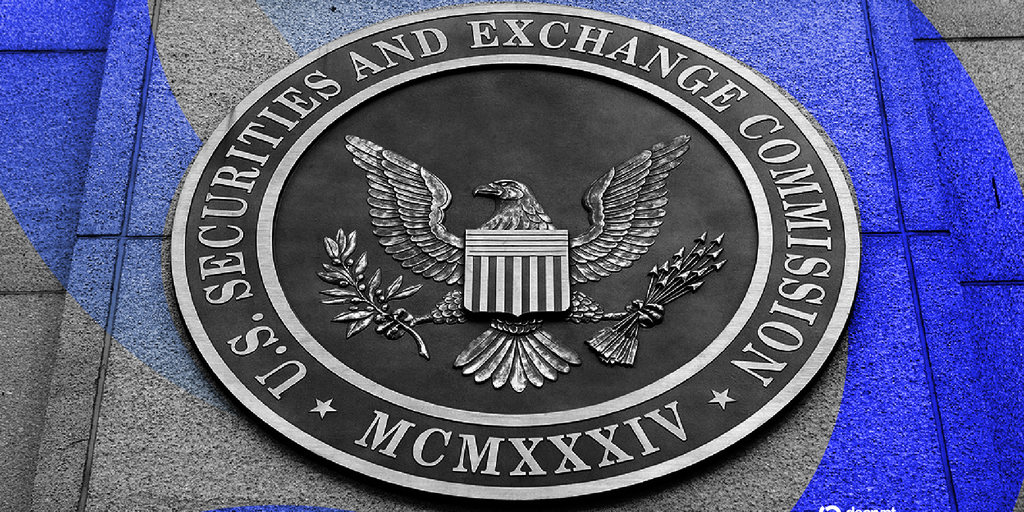
Source image: decrypt.co
decrypt.coNavigating the Next Era of Digital Asset Investment Vehicles
The regulatory landscape surrounding digital asset investment products faces a pivotal juncture as major crypto stakeholders engage directly with the U.S. Securities and Exchange Commission (SEC). Following an exploratory request for comment regarding novel exchange-traded funds, industry heavyweights—including Grayscale Investments, venture capital leader a16z, and the Crypto Council for Innovation (CCI)—submitted comprehensive feedback ahead of the consultation deadline. Their primary objective is to steer the regulatory body away from imposing blunt, generalized restrictions on financial innovation.
The SEC’s consultation, initiated to evaluate how regulatory frameworks should accommodate innovative asset classes, single-stock strategies, high-leverage vehicles, and blockchain-settled products, has sparked intense debate over the future structure of public markets. Crypto advocates are aggressively pressing the agency to recognize that digital asset funds have matured significantly, boasting established compliance records and sophisticated market infrastructure that distinguish them entirely from speculative or highly illiquid financial instruments.
Core Industry Arguments and Regulatory Pushback
In their formal submissions, the coalition outlined several critical concerns regarding how the regulator might choose to categorize upcoming fund applications. Key positions emphasized by the participating organizations include:
- Risk-Based Evaluation: Opposing broad, categorical regulations that fail to differentiate between mature crypto assets and higher-risk novel strategies like private asset funds or event contracts.
- Preservation of Classifications: Rejecting automatic adjustments to Investment Company Act rules that would unnecessarily capture non-security asset structures under traditional open-end fund mandates.
- Streamlined Review Timelines: Requesting greater synchronization between fund registrations and national exchange-listing approvals to eliminate chronic administrative bottlenecks.
- Pre-Filing Engagement: Supporting optional, confidential pre-submission dialogues with regulatory staff to iron out potential legal and disclosure hurdles early.
Despite a unified front against heavy-handed oversight, subtle disagreements emerged among the participants regarding nomenclature. For instance, a16z proposed restricting the 'ETF' designation strictly to funds operating directly under the Investment Company Act of 1940, whereas Grayscale argued that the label should reflect broader economic characteristics regardless of the underlying legal wrapper. Meanwhile, the Crypto Council for Innovation emphasized enhanced transparency and comparable operational efficiencies across both registered and non-registered exchange-traded vehicles.
Market Implications and What Investors Should Watch
The outcome of this regulatory dialogue carries profound implications for institutional capital deployment and product development. A flexible, risk-tailored approach by the SEC could accelerate the introduction of sophisticated crypto investment vehicles, driving deeper liquidity and market maturation. Conversely, overly rigid classification rules risk stifling financial engineering, driving issuers toward offshore jurisdictions, or forcing prolonged litigation.
For institutional investors, asset managers, and entrepreneurs, several key indicators deserve close monitoring in the coming quarters:
- SEC Response and Policy Guidance: Monitor how commission staff interpret the feedback from the comment period when drafting formal policy recommendations or proposed rulemaking.
- Listing Standard Evolution: Track potential updates to generic exchange listing standards that permit spot digital asset products to bypass individual, time-consuming review hurdles.
- Cross-Agency Coordination: Observe whether collaboration between the SEC and other regulatory bodies improves review predictability for hybrid investment vehicles.
Continue reading
Related coverage in Crypto
cointelegraph.com
Trump Schedules Third Memecoin Holder Dinner Amid Growing Corruption Scrutiny
President Trump is set to host his third exclusive memecoin dinner for top token holders at his Washington, DC golf club, drawing renewed ethical and market scrutiny.
3 min read
cointelegraph.com
50,000 Europeans Petition EU to Relax MiCA Stablecoin Reward Restrictions
A new 50,000-letter campaign is urging Brussels to ease stablecoin rewards restrictions during the MiCA review, aligning with broader central bank pushes.
2 min read
cryptonews.com
Dogecoin Eyes $1 Milestone as DogeOS Testnet Launch Sparks Utility Speculation
Dogecoin trades at $0.09447 as the DogeOS testnet goes live. Traders eye the $0.098 resistance and psychological $0.10 mark amid fresh utility potential.
2 min read
decrypt.co
Bitcoin Enters 'Uptober' Amid Fed Rate Hike Pressures and 5.3% Treasury Yields
Bitcoin enters its historically strongest month following a record September, yet rising Federal Reserve rate hike fears and 5.3% Treasury yields present major hurdles.
2 min read