Cross-Border Trade Friction Forces Canadian Craft Brewery to Relocate Operations to Maine
A crippling 50 percent tariff on alcohol products is forcing Mother Mushroom Brewery to abandon its unique Canadian island location and relocate to Lubec, Maine.
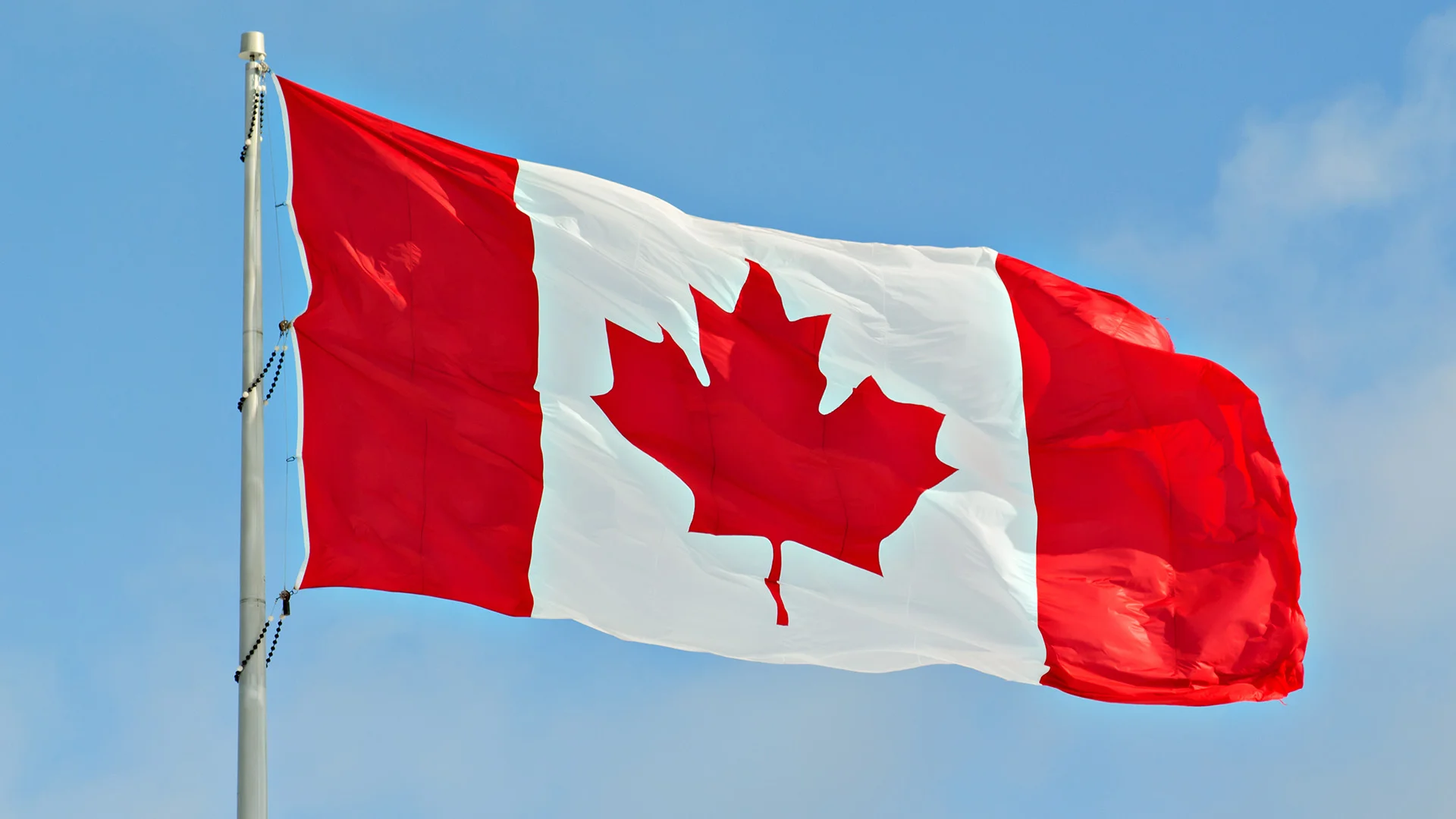
Source image: inc.com
inc.comThe Anatomy of a Cross-Border Crisis
For small businesses operating in geographically unique regions, international borders are more than just lines on a map—they are operational lifelines. Mother Mushroom Brewery, situated on Campobello Island in New Brunswick, Canada, represents a fascinating anomaly in North American commerce. Connected to mainland Canada by no physical bridge, the island is only accessible via a bridge linked directly to Lubec, Maine. Consequently, owners Zoltan and Laura Fox built a business model that looks overwhelmingly American. They source their aluminum cans and raw inputs from U.S. suppliers due to logistical isolation from the rest of Canada, and the vast majority of their consumer base consists of American tourists.
However, the macroeconomic landscape shifted dramatically when the U.S. administration enacted a sweeping 50 percent tariff on Canadian alcohol products. For Mother Mushroom Brewery, this aggressive protectionist measure effectively neutralized their profit margins overnight, prompting an urgent strategic pivot that will see the company seek permanent relocation to the U.S. mainland.
Why Trade Policies Hit Micro-Enterprises Harder
While massive multinational corporations possess the capital reserves, complex supply-chain diversification, and legal teams required to weather sudden tariff shocks, micro-enterprises face an entirely different reality. The imposition of a 50 percent levy on cross-border alcohol sales transforms a viable local business into a high-risk venture.
- Supply Chain Asymmetry: The brewery depended on U.S. suppliers for fundamental items like empty aluminum cans, which were picked up in Maine and transported back to Canada.
- Targeted Demographics: Because their clientele is predominantly American, the heavy tariff penalizes the final sale of goods heading back into the United States.
- Geographic Isolation: The lack of a land connection to mainland Canada cuts the business off from domestic subsidies, alternative shipping routes, and broader Canadian distribution networks.
Broader Market Implications and Economic Friction
The plight of Mother Mushroom Brewery is not an isolated incident; it serves as a microcosm of the friction generated by tit-for-tat trade policies between historically close allies. When governments implement broad-stroke tariffs to protect domestic industries or address macro trade deficits, specialized regional economies often bear the collateral damage.
For investors and economists, this scenario underscores the growing importance of geopolitical risk assessment, even at the micro-cap and small-business level. Trade barriers introduce unpredictable cost structures that can dismantle a localized business model in a matter of weeks. As regulatory interpretations fluctuate at border checkpoints, operational continuity becomes an expensive luxury.
What Investors and Entrepreneurs Should Monitor
As bilateral trade negotiations continue to evolve, market participants looking at cross-border operations should watch several critical indicators:
- Escalation and Retaliation Cycles: Monitor whether targeted sector exemptions will be introduced for micro-producers caught in geographic anomalies.
- Regulatory Enforcement: Pay close attention to how customs and border protection agencies interpret duty-free personal exemptions versus commercial wholesale imports.
- Regional Economic Shifts: Observe how towns like Lubec, Maine, capitalize on displaced businesses seeking refuge from international trade penalties, potentially revitalizing local commercial real estate.
Ultimately, Mother Mushroom Brewery's decision to pack up and move across the bridge to Maine illustrates a fundamental truth of modern entrepreneurship: adaptability is the ultimate currency. When regulatory environments turn hostile, capital and talent will inevitably migrate to jurisdictions where survival—and growth—remain possible.
Continue reading
Related coverage in Business
nytimes.com
David Ellison Targets CNN Leadership Continuity in Paramount Merger Talks
David Ellison is currently negotiating to retain CNN CEO Mark Thompson without oversight from CBS editor in chief Bari Weiss as parent companies navigate merger plans.
2 min read
bbc.com
Decoding Nike’s Slump: How Strategic Missteps Cost the Sportswear Titan Its Edge
Explore the factors behind Nike's dramatic market decline. Industry analysts dissect the self-inflicted strategic errors that shook the sportswear giant.
3 min read
bbc.com
Treasury Committee Directs HMRC to Investigate Tax Implications of Manchester City Case
The UK Treasury Committee has called on HMRC to closely examine potential tax ramifications arising from the high-profile Manchester City legal verdict.
3 min read
nytimes.com
US Imposes Sanctions on Russian Firm A7 Over Global Shell Company Evasion Schemes
The United States targets Russian financial firm A7 with new sanctions following reports of utilizing global shell companies to bypass existing economic restrictions.
3 min read