Circle and Tether Freeze Funds in Bitget Hack as Attacker Evades Detection
Stablecoin giants Circle and Tether blacklisted a wallet tied to the Bitget hack, freezing $318,000, though the attacker successfully swapped most funds into ETH.
Source image: decrypt.co
decrypt.coOverview of the Bitget Hack Intervention
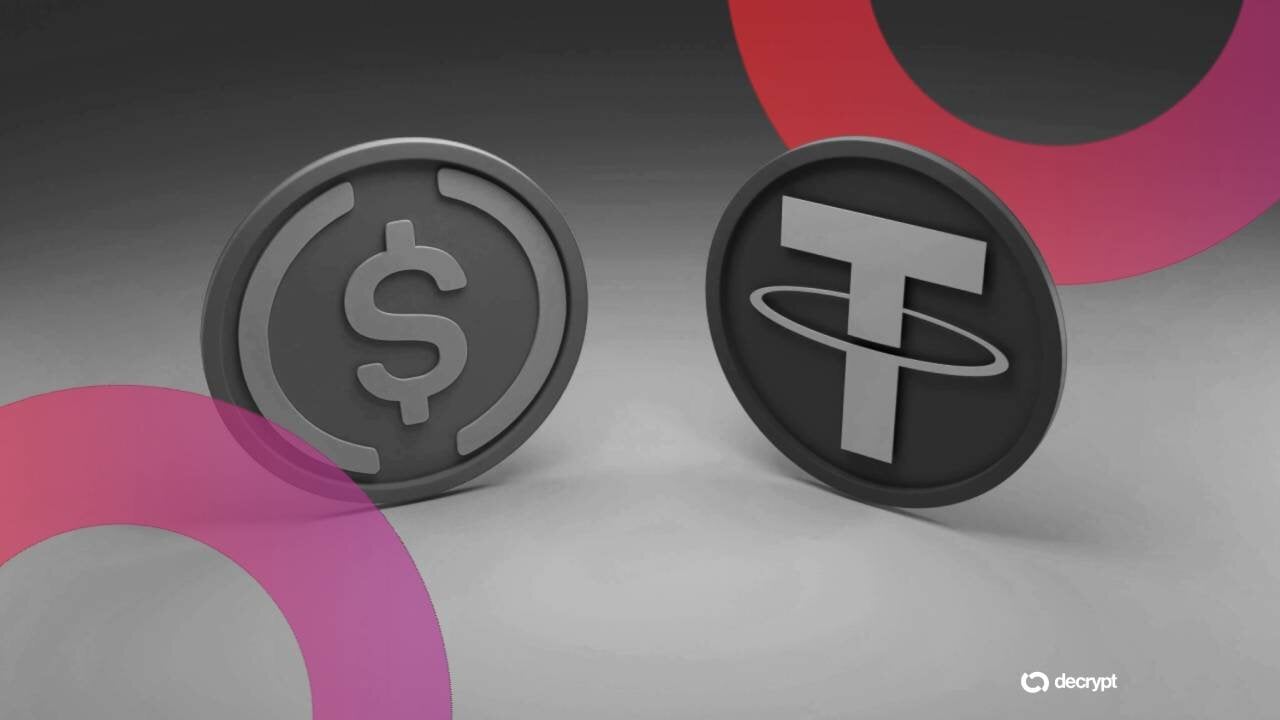
In a coordinated move reflecting the growing responsiveness of centralized stablecoin issuers, both Circle and Tether moved quickly to blacklist a digital wallet designated as 'Bitget Exploiter 8.' The joint action resulted in the freezing of approximately $318,000 in popular stablecoins, consisting of USDC and USDT. This intervention showcases the capacity of centralized entities to freeze targeted assets on-chain when illicit activity is flagged.
The Limits of Centralized Freezes
Despite the rapid response from Circle and Tether, the incident highlights a critical vulnerability in how centralized blacklisting mechanisms interact with decentralized protocols. The attacker successfully outpaced the issuers by swapping the bulk of the stolen assets into unfreezable Ethereum (ETH) long before the freeze orders took effect. This technical reality emphasizes that while issuers can halt specific stablecoin balances, sophisticated threat actors can easily pivot to native, censorship-resistant cryptocurrencies to evade recovery efforts.
Market Implications for Crypto Security
For executives, investors, and entrepreneurs operating in the digital asset ecosystem, this event serves as a stark reminder of the complexities surrounding asset recovery. Key market implications include:
- Asset Vulnerability: Centralized stablecoins offer issuers the power to freeze funds, but this mechanism is only effective if executed instantaneously.
- Protocol Evasion: Hackers increasingly rely on automated swaps into decentralized assets like ETH to neutralize blacklisting risks.
- Regulatory Pressure: Issuers face continuous scrutiny to demonstrate effective compliance, yet technological delays continue to hinder complete fund recovery.
Key Watchpoints for Stakeholders
As the crypto market matures, stakeholders should closely monitor several critical developments regarding security and asset freezing:
- Evolution of automated freeze mechanisms integrated directly with decentralized exchanges.
- Stricter monitoring protocols by centralized exchanges and stablecoin issuers to shorten response times during exploits.
- Regulatory debates surrounding the balance between consumer protection through blacklisting and the fundamental ethos of censorship resistance.
Ultimately, while the actions by Circle and Tether demonstrate a strong commitment to combating illicit behavior, the Bitget incident proves that bad actors remain adept at outmaneuvering traditional compliance tools in fast-moving decentralized environments.
Continue reading
Related coverage in Crypto
cointelegraph.com
Trump Schedules Third Memecoin Holder Dinner Amid Growing Corruption Scrutiny
President Trump is set to host his third exclusive memecoin dinner for top token holders at his Washington, DC golf club, drawing renewed ethical and market scrutiny.
3 min read
cointelegraph.com
50,000 Europeans Petition EU to Relax MiCA Stablecoin Reward Restrictions
A new 50,000-letter campaign is urging Brussels to ease stablecoin rewards restrictions during the MiCA review, aligning with broader central bank pushes.
2 min read
cryptonews.com
Dogecoin Eyes $1 Milestone as DogeOS Testnet Launch Sparks Utility Speculation
Dogecoin trades at $0.09447 as the DogeOS testnet goes live. Traders eye the $0.098 resistance and psychological $0.10 mark amid fresh utility potential.
2 min read
decrypt.co
Bitcoin Enters 'Uptober' Amid Fed Rate Hike Pressures and 5.3% Treasury Yields
Bitcoin enters its historically strongest month following a record September, yet rising Federal Reserve rate hike fears and 5.3% Treasury yields present major hurdles.
2 min read