Canadian Broker Haywood USA Settles SEC Anti-Money Laundering Charges
Haywood USA has reached a settlement with the SEC over allegations of severe anti-money laundering failures, failing to file suspicious activity reports on red flags.
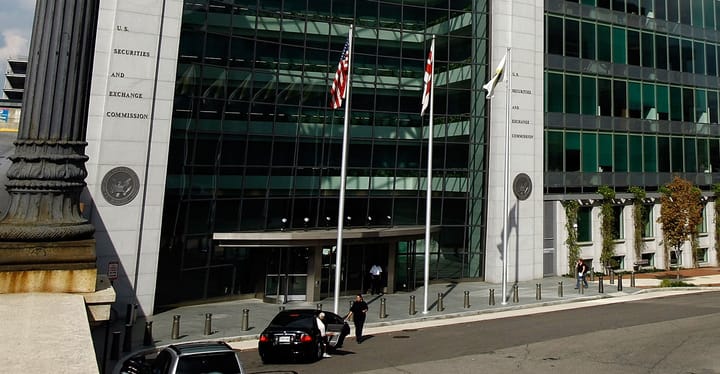
Source image: wealthmanagement.com
wealthmanagement.comOverview of the SEC Settlement
In a recent regulatory enforcement action, the Securities and Exchange Commission (SEC) reached a settlement with Canadian broker-dealer Haywood USA. The investigation centered on profound anti-money laundering (AML) compliance failures within the firm's operations. Regulatory authorities claimed that Haywood USA routinely failed to file required suspicious activity reports (SARs) and neglected to properly investigate clear red flags associated with high-risk accounts.
Specifically, the regulatory findings highlighted that the accounts in question were tied to a convicted criminal and a banker, raising immediate compliance alarms that went unaddressed. By failing to scrutinize these transactions and report suspicious activities to the appropriate authorities, the firm breached fundamental compliance obligations designed to protect the integrity of the US financial system.
Why This Compliance Failure Matters
For executives, compliance officers, and legal professionals in the financial sector, this case serves as a stark reminder of regulatory expectations. Broker-dealers operate under strict legal mandates to monitor customer activity and report anomalies swiftly. When firms ignore red flags or fail to execute comprehensive background checks and ongoing monitoring, they expose themselves to severe enforcement actions, financial penalties, and reputational damage.
- Regulatory Enforcement: The SEC continues to prioritize AML compliance, targeting firms regardless of their geographic origin if they operate within US markets.
- Systemic Oversight Gaps: The involvement of a convicted criminal and a banker underscores the sophisticated nature of illicit actors attempting to exploit institutional blind spots.
- Mandatory Reporting: Filing SARs is not merely an administrative checkbox; it is a vital pillar of national security and financial crime prevention.
Broader Market Implications
The enforcement action against Haywood USA carries broader implications for cross-border financial institutions and the wealth management industry at large. As regulatory bodies like the SEC and FINRA ramp up cooperation with international counterparts, compliance loopholes are closing rapidly. Broker-dealers must ensure that their compliance frameworks are adequately resourced, technologically updated, and culturally prioritized from the C-suite down.
Investors are increasingly factoring regulatory risk into their evaluations of financial institutions. A failure in AML controls can trigger costly legal battles, diversion of executive resources, and a loss of client trust. Consequently, firms that invest heavily in advanced compliance technology and rigorous staff training will likely hold a competitive advantage in mitigating these systemic risks.
What Investors and Executives Should Watch
As the regulatory landscape continues to evolve, stakeholders should monitor several key developments to gauge future compliance trends and market impacts:
- Increased Enforcement Budgets: Expect regulatory agencies to maintain aggressive postures toward AML and SAR compliance deficiencies.
- Technological Integration: Watch for a surge in adoption of artificial intelligence and machine learning tools designed to detect suspicious patterns more effectively than legacy systems.
- Cross-Border Scrutiny: Canadian and other international firms operating cross-border outposts in the US must review their internal controls to align seamlessly with stringent SEC standards.
For more details on the original report, readers can verify the information directly through the WealthManagement Source.
Continue reading
Related coverage in Banking
wealthmanagement.com
Orion Ascent 2027 Conference Announced: Focusing on AI and Household-Level Wealth Personalization
Orion has opened registration for Ascent 2027 in Orlando, focusing on practical AI workflows, household-level personalization, and scaling advisory capacity.
3 min read
wealthmanagement.com
Wealth Management CIOs Pivot to Short-Duration Bonds Amid Market Shudders
Rising bond yields are transforming fixed-income strategies, allowing wealth management chief investment officers to capture attractive yields at shorter durations with lower risk.
2 min read
wealthmanagement.com
IRS Guidance Prompts Compliance Experts to Warn RIAs Over Section 351 ETF Conversions
Compliance experts warn registered investment advisors to reconsider Section 351 ETF conversions for tax purposes following recent IRS guidance targeting tax avoidance.
3 min read
wealthmanagement.com
Fidelity Raises RIA Custody Minimum to $100M, Pressuring Smaller Advisory Firms
Fidelity Investments is raising its RIA custody asset minimum to $100 million, requiring existing advisors below the threshold to exit or transition off the platform by June 30, 2027.
3 min read