Burnham Prepares for High-Stakes Private Sector Summit Amid Mounting Budget Tax Anxieties
Prime Minister Andy Burnham is set to meet leading corporate executives to reassure them over the government's economic growth agenda ahead of a critical budget.
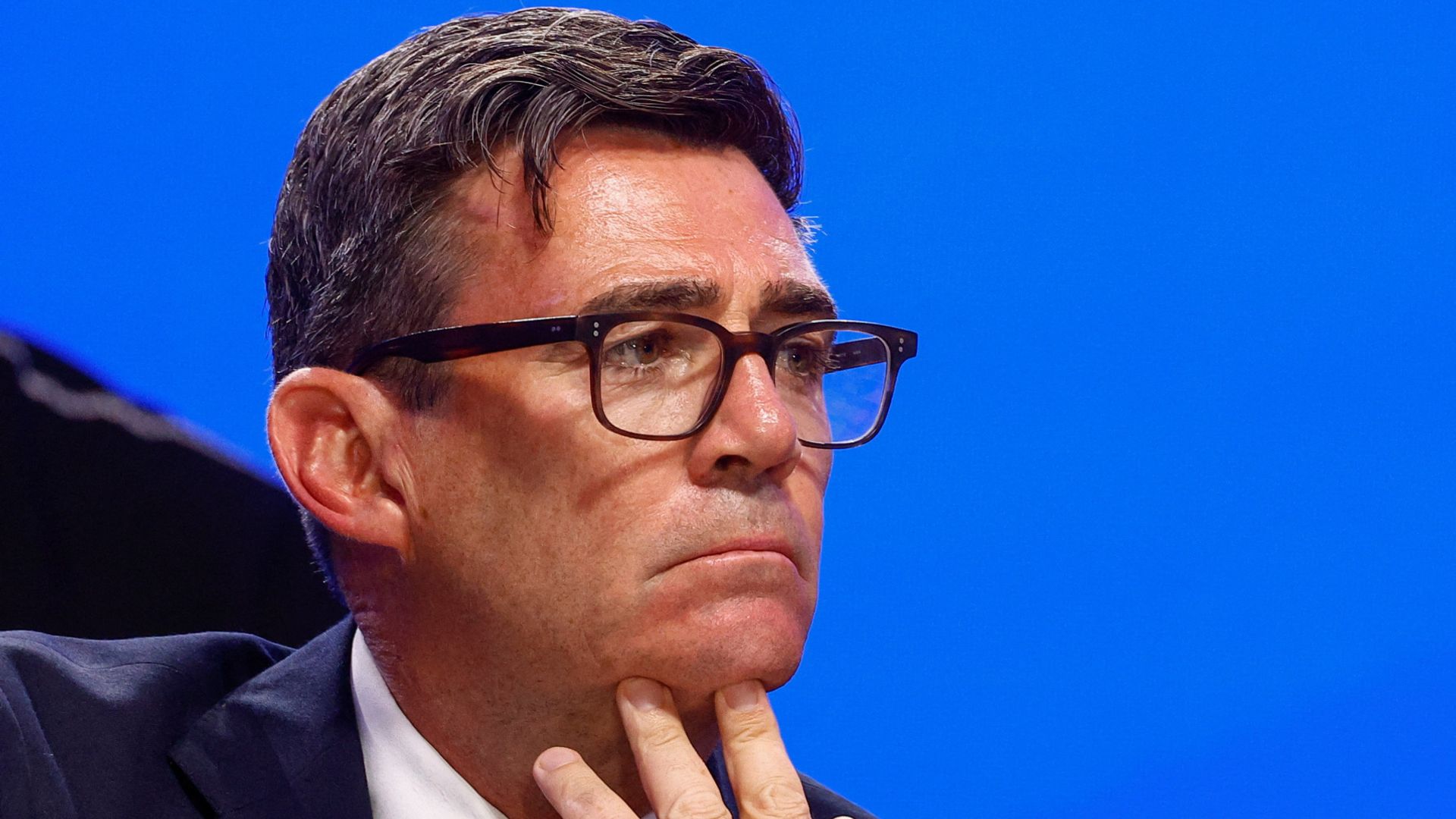
Source image: skynews.com
skynews.comBridging the Divide Between Downing Street and the Boardroom
As the administration prepares for its upcoming fiscal announcements, Prime Minister Andy Burnham is stepping up direct engagement with the nation's corporate elite. Next week's high-profile summit marks a pivotal moment for leadership, bringing together scores of prominent chief executives and industry leaders. The primary objective is to mend fractured confidence and provide tangible reassurances that the government's overarching growth agenda will not inadvertently strangle corporate dynamism.
For months, boardroom executives have voiced mounting apprehension that tightening fiscal headroom and persistent public sector funding demands will inevitably lead to another wave of corporate tax hikes. By opening a direct dialogue, Burnham aims to shift the narrative away from punitive fiscal measures and toward a collaborative partnership focused on productivity, regional devolution, and long-term economic expansion.
Decoding Market Implications and Corporate Fears
The anxiety pulsing through financial markets and corporate boardrooms is not unwarranted. Investors have spent considerable energy evaluating how shifting regulatory frameworks and potential tax adjustments might impact bottom lines. Key concerns driving market sentiment include:
- Corporate Tax Trajectory: Fears that additional revenue-raising measures will target businesses, eroding profit margins and dampening share buybacks or dividend growth.
- Investment Incentives: Uncertainty over whether capital allowance regimes will be preserved or enhanced to stimulate domestic business investment.
- Regulatory and Energy Pressures: Ongoing debates surrounding energy sector rulings, compliance costs, and broader operational overheads.
Market analysts note that corporate confidence remains fragile. While rhetoric surrounding growth is welcomed, institutional investors demand concrete legislative clarity rather than vague assurances. Failure to convince executives that the upcoming budget balances fiscal discipline with pro-growth incentives could trigger a cautious retreat in domestic capital allocation.
Structural Reforms and Regional Strategy
Beyond headline-grabbing tax rates, the upcoming fiscal event is expected to outline broader structural reforms. Burnham’s political history, notably his tenure championing regional devolution, suggests that empowering local authorities and combined authority mayors could play a central role in driving infrastructure and skills development. Innovation hubs and regional economic corridors are likely to feature prominently as the government attempts to decentralize economic momentum.
However, balancing these structural ambitions with immediate fiscal pressures remains a formidable tightrope walk. Ministers face intense political pressure to alleviate everyday cost-of-living burdens for households while concurrently fostering an environment where businesses feel confident enough to expand operations and hire.
What Investors Should Watch
As market participants position portfolios ahead of the budget, several critical indicators and milestones warrant close surveillance:
- Tone and Posture Post-Summit: Feedback from attending executives will serve as an immediate barometer of whether Downing Street successfully restored private sector trust.
- Trade Developments: Progress surrounding international trade summits, including potential UK-EU commercial realignment discussions that could unlock percentage points of growth.
- Fiscal Headroom Adjustments: Official Office for Budget Responsibility (OBR) forecasts detailing the true scale of available financial headroom.
Ultimately, Burnham's ability to navigate this high-stakes engagement will dictate not only the reception of the upcoming budget but also the trajectory of UK economic performance for the remainder of the decade. Investors should maintain a defensive yet flexible stance, closely scrutinizing policy details as they emerge from Downing Street.
Continue reading
Related coverage in Business
nytimes.com
David Ellison Targets CNN Leadership Continuity in Paramount Merger Talks
David Ellison is currently negotiating to retain CNN CEO Mark Thompson without oversight from CBS editor in chief Bari Weiss as parent companies navigate merger plans.
2 min read
bbc.com
Decoding Nike’s Slump: How Strategic Missteps Cost the Sportswear Titan Its Edge
Explore the factors behind Nike's dramatic market decline. Industry analysts dissect the self-inflicted strategic errors that shook the sportswear giant.
3 min read
bbc.com
Treasury Committee Directs HMRC to Investigate Tax Implications of Manchester City Case
The UK Treasury Committee has called on HMRC to closely examine potential tax ramifications arising from the high-profile Manchester City legal verdict.
3 min read
nytimes.com
US Imposes Sanctions on Russian Firm A7 Over Global Shell Company Evasion Schemes
The United States targets Russian financial firm A7 with new sanctions following reports of utilizing global shell companies to bypass existing economic restrictions.
3 min read