Burlington Choses Consumer Relief Over Wall Street Windfall, Directing $55 Million Tariff Refund to Shoppers
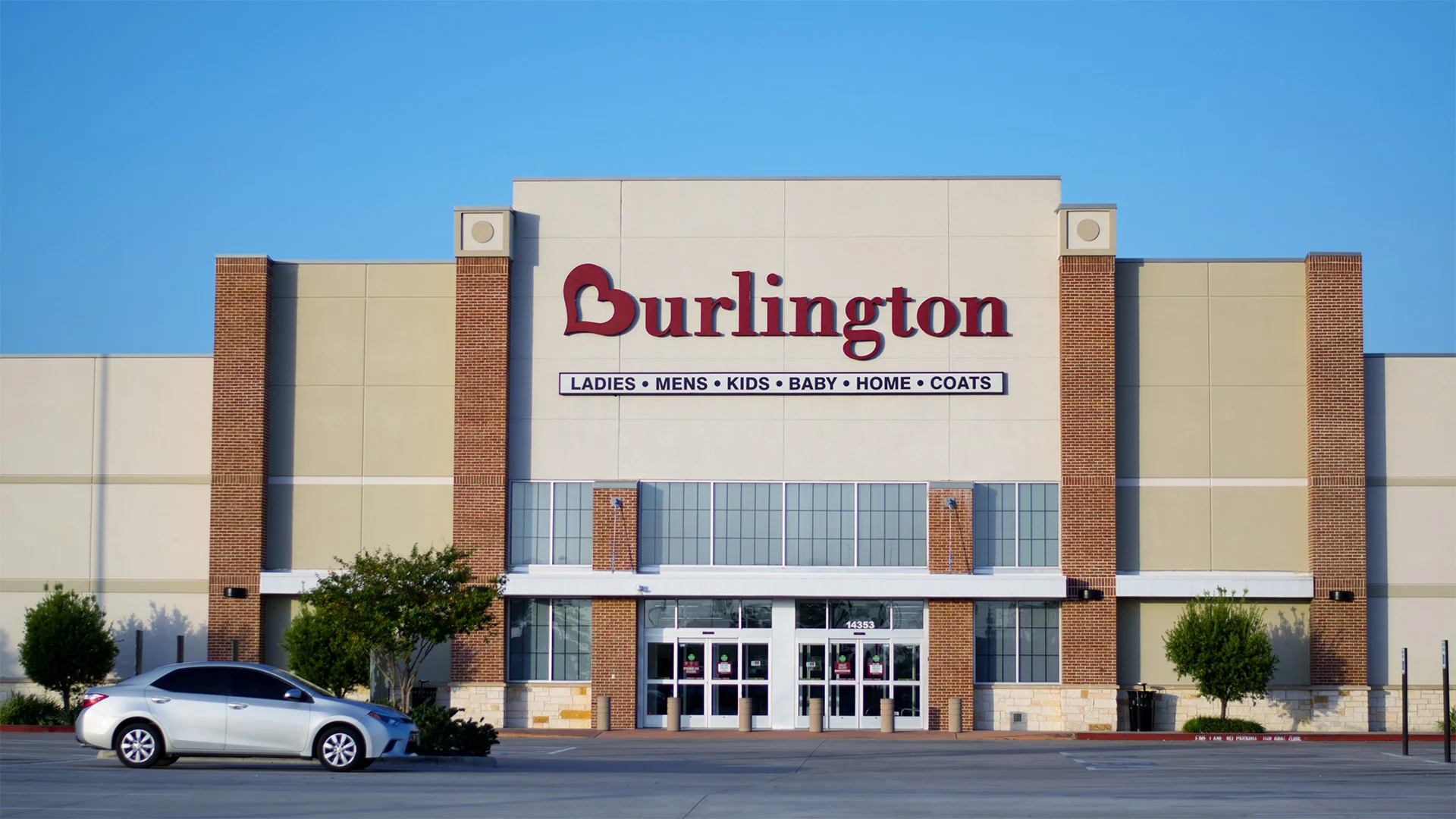
In a strategic pivot away from short-term earnings padding, off-price giant Burlington Stores announced it will reinvest its entire $55 million federal tariff refund into deeper customer discounts.
Source image: inc.com
inc.comA Strategic Windfall Directed at Consumer Relief
In a notable departure from conventional corporate playbook strategies, off-price apparel and home goods retailer Burlington Stores has announced that it will redirect the entirety of its recent $55 million federal tariff refund directly into consumer-facing pricing. While many corporations treat unexpected regulatory or tax rebates as immediate boosts to net income and shareholder value, Burlington's leadership team has chosen a path focused squarely on easing cost-of-living pressures for its core demographic.
During the company's second-quarter earnings presentation, Chief Executive Officer Michael O'Sullivan addressed analysts and investors regarding the $55 million injection, which yielded a 64-cent per-share benefit during the quarter. Instead of retaining this capital to beat consensus quarterly earnings estimates, Burlington confirmed that approximately 40% of the funds will be deployed in the third quarter, with the remaining 60% flowing into the critical fourth-quarter holiday shopping window.
Financial Performance and Underlying Strength
The decision to forego a one-time earnings surge comes from a position of underlying financial health. For the second quarter, Burlington posted total sales growth of 11% year-over-year, reaching approximately $3 billion, on top of a strong 10% increase during the same period in the previous year. Comparable store sales advanced by 2%, contributing to a robust two-year stack of 7%. Net income for the quarter landed at $184 million, or $2.88 per diluted share.
Excluding the impact of the tariff refunds and non-core acquisition expenses, Burlington’s adjusted earnings per share surged 38% to $2.37, beating many conservative Wall Street expectations. The company’s adjusted EBIT margin expanded by 100 basis points to 7.0%, showcasing a consistent ability to convert top-line growth into sustainable operational efficiency. Management noted that because the tariff refunds will be entirely neutralized by subsequent price investments in the back half of the year, full-year guidance remains balanced.
Addressing the Macroeconomic Squeeze on Households
According to executive leadership, the choice to prioritize shoppers over net margins boils down to macroeconomic reality. Moderate- and lower-income households have borne the brunt of persistent inflation affecting everyday essentials, including groceries, shelter, and energy. By absorbing the tariff refund into merchandise pricing, Burlington aims to sharpen its value proposition precisely when consumer discretionary spending remains heavily scrutinized.
- Consumer-Centric Allocation: 100% of the $55 million federal tariff refund is earmarked for lower retail tags rather than corporate reserves.
- Phased Reinvestment: Funds will be deployed heaviest in Q4 (60%) to capture peak holiday traffic.
- Targeted Assortment: Reinvestments will focus heavily on high-demand categories including home furnishings, toys, and seasonal gifting.
Market Implications and What Investors Should Watch
Burlington's move signals a broader shift in the off-price and discount retail sectors. As consumer loyalty becomes increasingly volatile due to macroeconomic headwinds, retailers are discovering that building long-term brand equity and customer trust yields better enterprise value than squeezing short-term margins. Competitors may find themselves pressured to match these aggressive value propositions to avoid losing market share.
For investors monitoring Burlington (NYSE: BURL), key metrics to watch in the coming quarters include same-store sales velocity, gross margin resilience following the price cuts, and whether the strategy successfully drives higher customer traffic through the peak holiday season. By trading a temporary earnings beat for enhanced consumer goodwill, Burlington is betting that empowered shoppers will translate into sustainable, long-term market dominance.
Continue reading
Related coverage in Business
nytimes.com
David Ellison Targets CNN Leadership Continuity in Paramount Merger Talks
David Ellison is currently negotiating to retain CNN CEO Mark Thompson without oversight from CBS editor in chief Bari Weiss as parent companies navigate merger plans.
2 min read
bbc.com
Decoding Nike’s Slump: How Strategic Missteps Cost the Sportswear Titan Its Edge
Explore the factors behind Nike's dramatic market decline. Industry analysts dissect the self-inflicted strategic errors that shook the sportswear giant.
3 min read
bbc.com
Treasury Committee Directs HMRC to Investigate Tax Implications of Manchester City Case
The UK Treasury Committee has called on HMRC to closely examine potential tax ramifications arising from the high-profile Manchester City legal verdict.
3 min read
nytimes.com
US Imposes Sanctions on Russian Firm A7 Over Global Shell Company Evasion Schemes
The United States targets Russian financial firm A7 with new sanctions following reports of utilizing global shell companies to bypass existing economic restrictions.
3 min read