Burger King's Strategic Revival: How Three Pillars Are Propelling It Past McDonald's in the Fast-Food Wars
Burger King, once trailing its rival, is now outpacing McDonald's through a focused strategy of store modernizations, enhanced marketing, and menu innovation. This resurgence offers critical insights for competitive market dynamics.
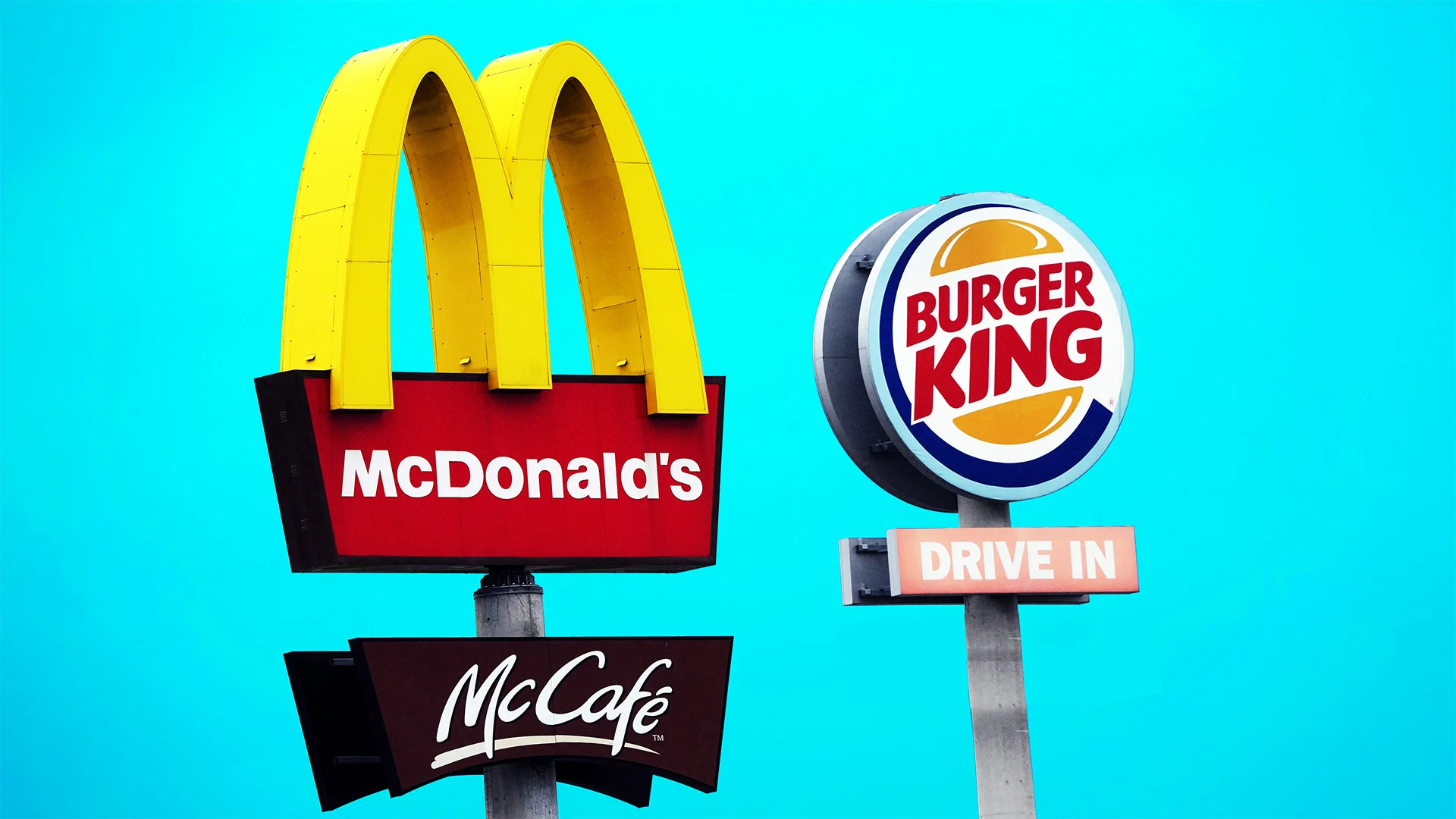
Source image: inc.com
inc.comBurger King's Strategic Revival: How Three Pillars Are Propelling It Past McDonald's in the Fast-Food Wars
In a significant shift within the fiercely competitive quick-service restaurant (QSR) industry, Burger King is demonstrating a robust resurgence, effectively outpacing its long-standing rival, McDonald's. This turnaround, after years of lagging performance, is not merely coincidental but the result of a meticulously planned and executed strategic overhaul. For executives, investors, and entrepreneurs monitoring market dynamics, Burger King's current trajectory offers a compelling case study in corporate revitalization and competitive strategy.
What Happened: A Coordinated Offensive
Burger King's renewed vigor stems from a comprehensive strategy centered on three core pillars:
- Strategic Remodels: A cornerstone of Burger King's revitalization has been an aggressive program of restaurant modernizations. These remodels go beyond cosmetic changes, focusing on enhancing the customer experience through updated aesthetics, improved drive-thru efficiencies, and integrated digital ordering systems. The aim is to create a more inviting and contemporary environment that aligns with evolving consumer expectations for convenience and comfort. This investment in physical infrastructure signals a long-term commitment to improving operational effectiveness and brand perception.
- Stronger Marketing Tactics: Recognizing the power of brand messaging, Burger King has recalibrated its marketing efforts. This involves a blend of innovative digital campaigns, targeted promotions, and a renewed focus on its iconic brand identity. The new marketing approach emphasizes engaging consumers directly, often through humor and bold statements, to re-establish a distinct brand voice and differentiate itself from competitors. This strategic shift in communication aims to foster stronger brand loyalty and attract a new generation of customers.
- Standout Product Offerings: Menu innovation has played a pivotal role in recapturing consumer interest. Burger King has strategically introduced and highlighted certain products that have garnered significant positive attention. These offerings often leverage unique flavor profiles, premium ingredients, or address specific dietary trends, providing compelling reasons for customers to choose Burger King over alternatives. The success of these products demonstrates an acute understanding of consumer preferences and a willingness to adapt the menu to market demands.
Why It Matters: A Blueprint for Competitive Advantage
This resurgence is not just a win for Burger King; it holds broader implications for the entire QSR sector and beyond. It underscores the critical importance of adaptability and strategic investment in maintaining competitive relevance. In an industry often characterized by thin margins and intense competition, Burger King's ability to pivot and execute a successful turnaround provides valuable lessons. It highlights that even established brands can reclaim market leadership through sustained effort and a clear vision. The emphasis on customer experience, brand narrative, and product innovation serves as a blueprint for businesses striving to differentiate themselves in crowded markets.
Market Implications: Shifting Sands in Fast Food
The renewed competition from Burger King is undoubtedly putting pressure on McDonald's and other fast-food players. This intensified rivalry could lead to a ripple effect across the industry, prompting competitors to accelerate their own modernization efforts, refine marketing strategies, and innovate their menus. For consumers, this heightened competition is generally beneficial, potentially leading to improved service, more diverse product offerings, and more aggressive pricing strategies as brands vie for market share. From an investment perspective, this dynamic suggests that the QSR landscape is far from static, offering opportunities for growth in companies that can demonstrate agility and strategic foresight.
What Investors Should Watch: Key Indicators for Future Performance
Investors should closely monitor several key indicators to assess the sustainability of Burger King's comeback and its broader market impact:
- Same-Store Sales Growth: Continued positive trends in same-store sales will be a crucial metric, indicating sustained customer traffic and increased spending per visit.
- Franchisee Sentiment and Investment: The willingness of franchisees to invest in remodels and new initiatives will reflect confidence in the brand's long-term strategy.
- Digital and Delivery Performance: The effectiveness of Burger King's digital platforms and its performance in the rapidly expanding food delivery market will be critical for future growth.
- Menu Innovation Pipeline: The ability to consistently introduce successful new products and adapt to evolving consumer tastes will be vital for maintaining momentum.
- Competitive Responses: Observe how McDonald's and other major players react to Burger King's resurgence. Their strategic adjustments could further reshape the competitive landscape.
Burger King's strategic revival serves as a powerful reminder that even in mature industries, sustained growth and market leadership are achievable through a commitment to innovation, customer-centric strategies, and robust execution. The ongoing fast-food wars promise to be an engaging spectacle for both industry insiders and the broader market.
Continue reading
Related coverage in Business
nytimes.com
David Ellison Targets CNN Leadership Continuity in Paramount Merger Talks
David Ellison is currently negotiating to retain CNN CEO Mark Thompson without oversight from CBS editor in chief Bari Weiss as parent companies navigate merger plans.
2 min read
bbc.com
Decoding Nike’s Slump: How Strategic Missteps Cost the Sportswear Titan Its Edge
Explore the factors behind Nike's dramatic market decline. Industry analysts dissect the self-inflicted strategic errors that shook the sportswear giant.
3 min read
bbc.com
Treasury Committee Directs HMRC to Investigate Tax Implications of Manchester City Case
The UK Treasury Committee has called on HMRC to closely examine potential tax ramifications arising from the high-profile Manchester City legal verdict.
3 min read
nytimes.com
US Imposes Sanctions on Russian Firm A7 Over Global Shell Company Evasion Schemes
The United States targets Russian financial firm A7 with new sanctions following reports of utilizing global shell companies to bypass existing economic restrictions.
3 min read