Brown-Forman’s Q1 Revenue Dips Amid Soft Whiskey Demand, While Ready-to-Drink Line Surges 20%
Brown-Forman reported flat whiskey sales and a slight revenue miss in its first quarter, but a 20% surge in ready-to-drink beverages provided a crucial cushion.
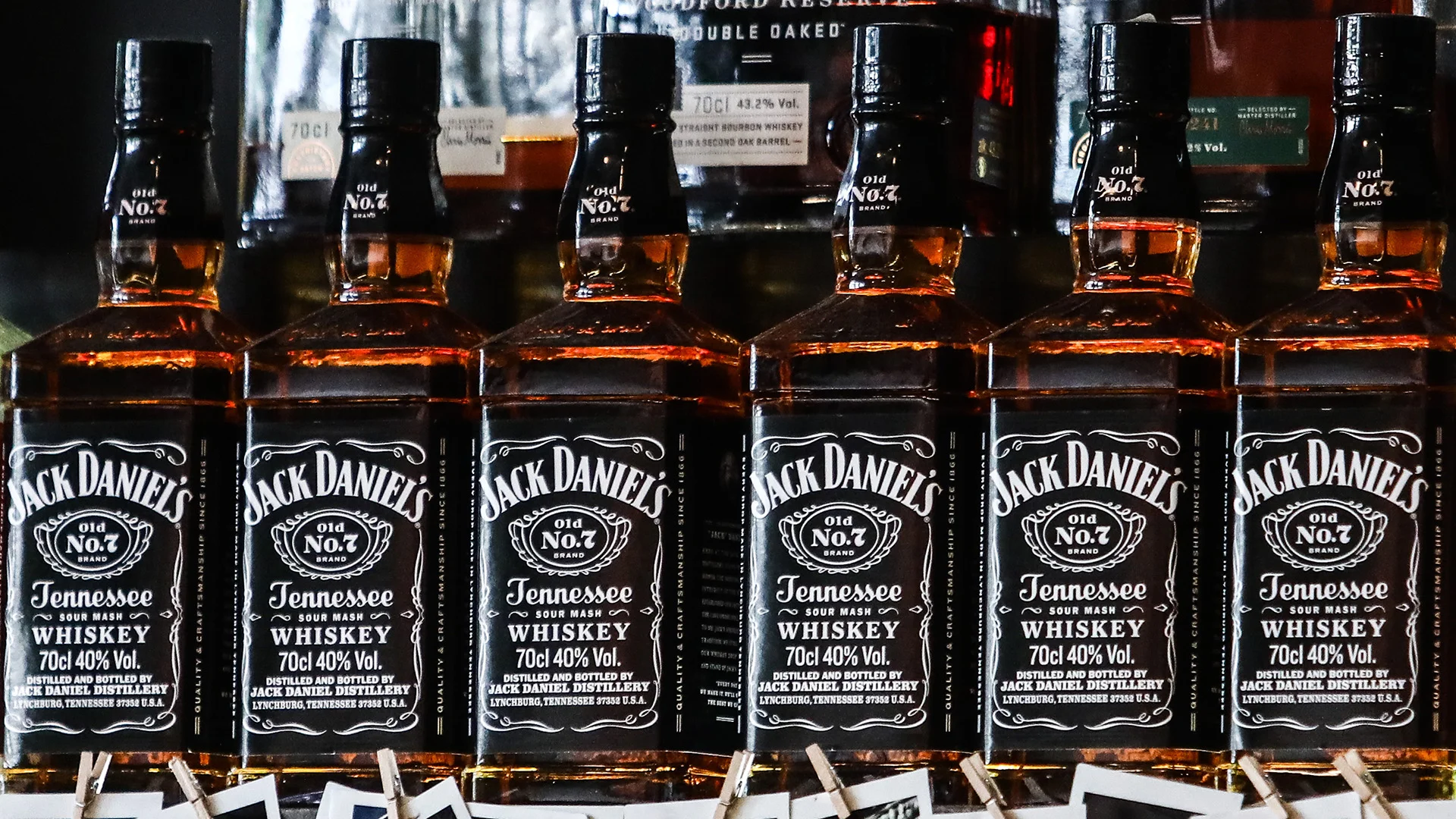
Source image: inc.com
inc.comNavigating a Shifting Consumer Landscape
Brown-Forman Corporation, the global spirits giant best known as the parent company of Jack Daniel’s, released its first-quarter fiscal results, shedding light on the evolving dynamics of the international alcohol market. While headline figures showed a minor contraction in overall revenue, the underlying segment data reveals a dramatic transformation in how modern consumers purchase and enjoy alcoholic beverages.
For the quarter ended July 31, 2026, Brown-Forman reported net sales of $911 million, marking a 1% decrease compared to the same period in the previous fiscal year. The figure narrowly missed consensus estimates compiled by analysts. Yet, despite the top-line softness, the company’s disciplined cost management and gross margin expansion allowed it to deliver a diluted earnings per share of $0.38, beating modest expectations and reassuring investors. Consequently, company shares traded higher by about 4% following the announcement.
The Core Whiskey Portfolio Stabilizes
The crown jewel of Brown-Forman's catalog, its whiskey portfolio, experienced flat organic net sales during the quarter. While flagship labels like traditional Jack Daniel’s Tennessee Whiskey held steady, and the ongoing international rollout of Jack Daniel's Tennessee Blackberry showed promising momentum, these gains were effectively neutralized by soft performances in other legacy lines, including Gentleman Jack and Jack Daniel's Tennessee Honey.
Industry analysts attribute the plateau in traditional whiskey to broader macroeconomic headwinds. Discerning consumers across the United States and key European markets—including Germany, France, and the United Kingdom—are tightening their purse strings in response to lingering inflation and job market anxieties. Furthermore, shifting lifestyle preferences, such as a heightened focus on calorie intake and the rising popularity of GLP-1 weight-loss medications, are curbing casual drinking frequencies and impulse retail purchases.
Ready-to-Drink Products Emerge as Growth Engines
While traditional spirits faced an uphill battle, the company’s ready-to-drink (RTD) portfolio delivered a standout performance, posting a remarkable 20% increase in reported net sales (11% on an organic basis). This rapid expansion was heavily anchored by New Mix, which skyrocketed 48% fueled by insatiable demand in Mexico and its strategic introduction into the United States market.
The outperformance of the RTD segment underscores a vital structural shift in consumer habits. Modern drinkers increasingly prioritize convenience, portability, and portion control—qualities inherent in canned cocktails and premixed spirit formulations. By leaning aggressively into flavor innovations and convenient formats, Brown-Forman has successfully captured younger, value-conscious demographic segments that might otherwise bypass traditional liquor aisles.
Broader Market Implications and Geographic Headwinds
The quarterly report also highlighted regional divergences. Net sales in the domestic U.S. market dipped 3%, impacted by distributor inventory adjustments and the conclusion of the company's distribution relationship with Korbel California Champagnes. Meanwhile, developed international markets declined 6%, exacerbated by persistent trade tensions and the ongoing absence of U.S.-made spirits on retail shelves across several Canadian provinces.
Despite these complex friction points, Brown-Forman stood by its annual fiscal targets, projecting approximately flat organic net sales for the full year alongside an anticipated 3% to 5% decline in organic operating income. Management pointed to structural restructuring efforts, ongoing supply chain optimization, and continued product innovation as core levers to protect profitability.
Key Takeaways for Investors
- Diversification Pays Off: Robust double-digit growth in the RTD category successfully cushioned the blow of flat whiskey and declining tequila revenues.
- Margin Resilience: Gross margins expanded by 40 basis points to 60.2%, driven by lower operational costs and disciplined advertising spend management.
- Strong Cash Flow: Operating cash flow grew to $173 million, enabling the firm to comfortably execute debt repayments and maintain an unbroken 82-year history of regular dividend payments.
- Macro Watchlist: Investors should closely monitor consumer confidence indexes in the U.S. and Europe, the velocity of international RTD adoption, and potential resolutions to cross-border trade friction.
Continue reading
Related coverage in Business
nytimes.com
David Ellison Targets CNN Leadership Continuity in Paramount Merger Talks
David Ellison is currently negotiating to retain CNN CEO Mark Thompson without oversight from CBS editor in chief Bari Weiss as parent companies navigate merger plans.
2 min read
bbc.com
Decoding Nike’s Slump: How Strategic Missteps Cost the Sportswear Titan Its Edge
Explore the factors behind Nike's dramatic market decline. Industry analysts dissect the self-inflicted strategic errors that shook the sportswear giant.
3 min read
bbc.com
Treasury Committee Directs HMRC to Investigate Tax Implications of Manchester City Case
The UK Treasury Committee has called on HMRC to closely examine potential tax ramifications arising from the high-profile Manchester City legal verdict.
3 min read
nytimes.com
US Imposes Sanctions on Russian Firm A7 Over Global Shell Company Evasion Schemes
The United States targets Russian financial firm A7 with new sanctions following reports of utilizing global shell companies to bypass existing economic restrictions.
3 min read