British Luxury Decor Icon Designers Guild Teeters on the Brink of Administration
Renowned luxury home decor brand Designers Guild, famed for its royal-inspired interiors, faces imminent financial collapse.
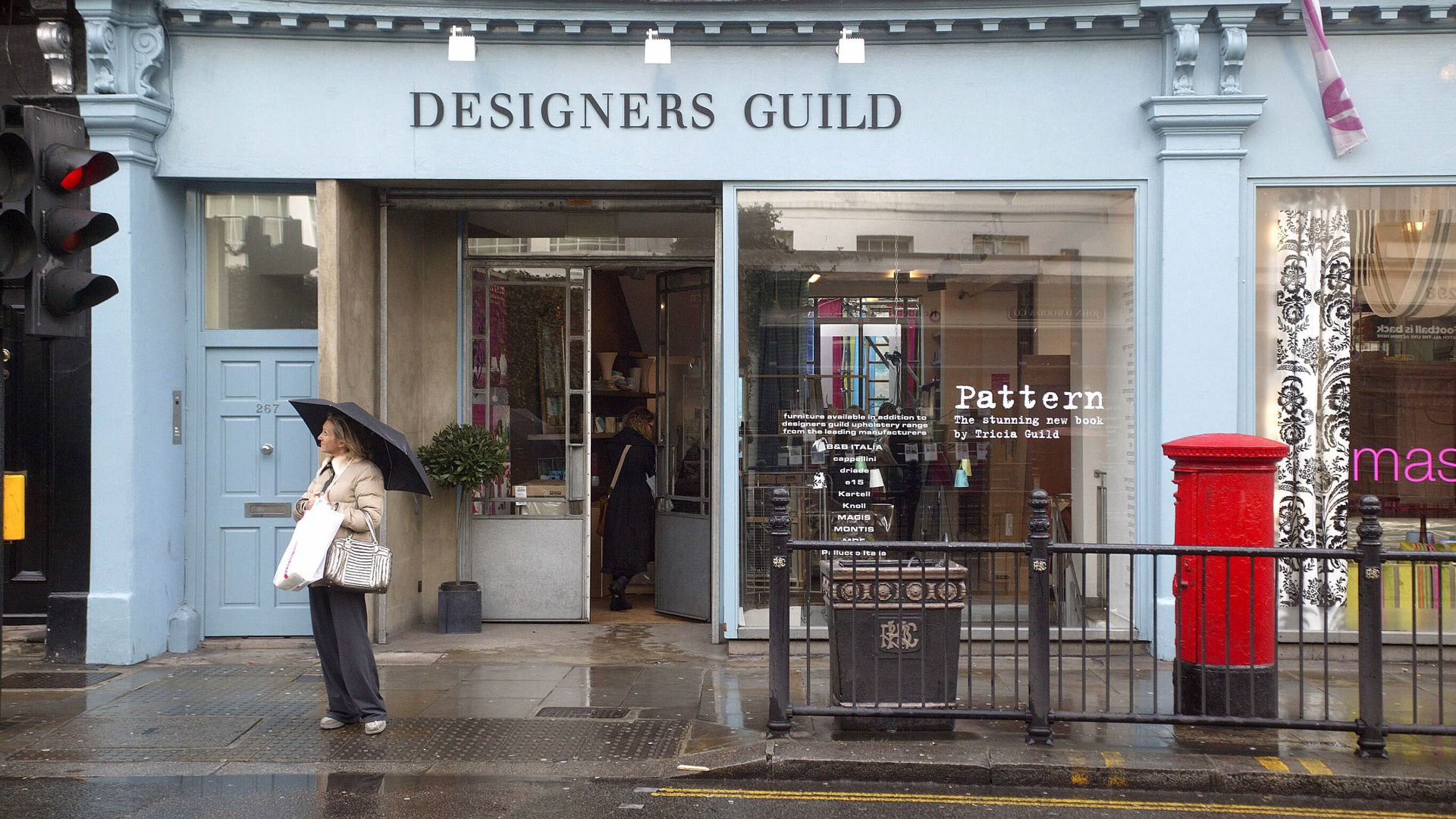
Source image: skynews.com
skynews.comThe Fall of a Royal-Favored Design Stalwart
The high-end interior design sector has been rocked by news that Designers Guild, a celebrated stalwart of British luxury homewares, is teetering on the brink of collapse. Known globally for its sophisticated fabrics, wall coverings, and home accessories—frequently drawing design inspiration from the opulent interiors of Britain’s royal residences—the company's sudden financial distress marks a stark turning point for the prestige retail market.
Industry insiders report that the company is grappling with insurmountable cash flow pressures, putting numerous jobs at risk and threatening the future of a brand that has defined British luxury for decades. As formal insolvency procedures loom, stakeholders and market observers are left assessing how one of the most distinguished names in interior aesthetics reached such a critical juncture.
Macroeconomic Headwinds and the Luxury Retail Squeeze
The impending collapse of Designers Guild is not an isolated incident but rather a symptom of broader structural distress affecting discretionary luxury spending. Several compounding factors have accelerated the company's financial decline:
- Escalating Operational Costs: Skyrocketing energy prices, supply chain friction, and high warehousing overheads have squeezed profit margins across manufacturing and distribution.
- Squeezed Discretionary Budgets: Even affluent consumers have tightened spending amid global economic uncertainty, delaying major home renovations and luxury redecorating projects.
- Shifting Retail Dynamics: Traditional showrooms face fierce competition from agile e-commerce platforms and changing consumer engagement models within the high-net-worth demographic.
Market Implications and Sector-Wide Vulnerability
The distress at Designers Guild sends a cautionary signal across the broader luxury goods and premium home furnishings market. While ultra-high-end conglomerates continue to weather economic cycles through diversified portfolios, independent heritage brands relying heavily on wholesale networks and physical flagship stores face unique vulnerabilities. Investors are increasingly reassessing the valuation multiples of traditional design houses that fail to integrate digital-first omnichannel strategies or optimize their supply chain footprints.
Furthermore, the potential restructuring or liquidation of such a prominent market player could trigger a wave of distressed asset consolidation. Competitors with stronger balance sheets and private equity firms specializing in turnaround situations are expected to monitor the fallout closely, seeking opportunities to acquire distressed intellectual property and established global distribution networks at a discount.
What Investors and Executives Should Watch
As this situation develops, market participants should monitor several key indicators to gauge the health of the broader high-end retail ecosystem:
- Formal Insolvency Filings: Watch for official appointments of administrators, which will dictate whether the business undergoes a structured restructuring, a Company Voluntary Arrangement (CVA), or a total asset break-up.
- Brand Acquisition Interest: Track potential rescue bids or private equity interest aimed at salvaging the core Designers Guild brand name and its extensive design archives.
- Supplier and Creditor Impact: Evaluate the downstream effects on independent artisans, textile mills, and international distributors tied to the brand's supply chain.
Ultimately, the crisis at Designers Guild serves as a sobering reminder that prestige and heritage alone are no longer sufficient shields against severe macroeconomic volatility. In an era defined by rapid consumer shifts and margin compression, operational agility remains the ultimate currency for survival in the luxury sector.
Continue reading
Related coverage in Business
nytimes.com
David Ellison Targets CNN Leadership Continuity in Paramount Merger Talks
David Ellison is currently negotiating to retain CNN CEO Mark Thompson without oversight from CBS editor in chief Bari Weiss as parent companies navigate merger plans.
2 min read
bbc.com
Decoding Nike’s Slump: How Strategic Missteps Cost the Sportswear Titan Its Edge
Explore the factors behind Nike's dramatic market decline. Industry analysts dissect the self-inflicted strategic errors that shook the sportswear giant.
3 min read
bbc.com
Treasury Committee Directs HMRC to Investigate Tax Implications of Manchester City Case
The UK Treasury Committee has called on HMRC to closely examine potential tax ramifications arising from the high-profile Manchester City legal verdict.
3 min read
nytimes.com
US Imposes Sanctions on Russian Firm A7 Over Global Shell Company Evasion Schemes
The United States targets Russian financial firm A7 with new sanctions following reports of utilizing global shell companies to bypass existing economic restrictions.
3 min read