Bridgepoint Prepares Itsu Stake Sale as Founder Targets £500M Revenue Milestone
Private equity firm Bridgepoint is setting the stage to exit its investment in Itsu, aligning with the founder's ambitious roadmap to scale revenues past £500 million.
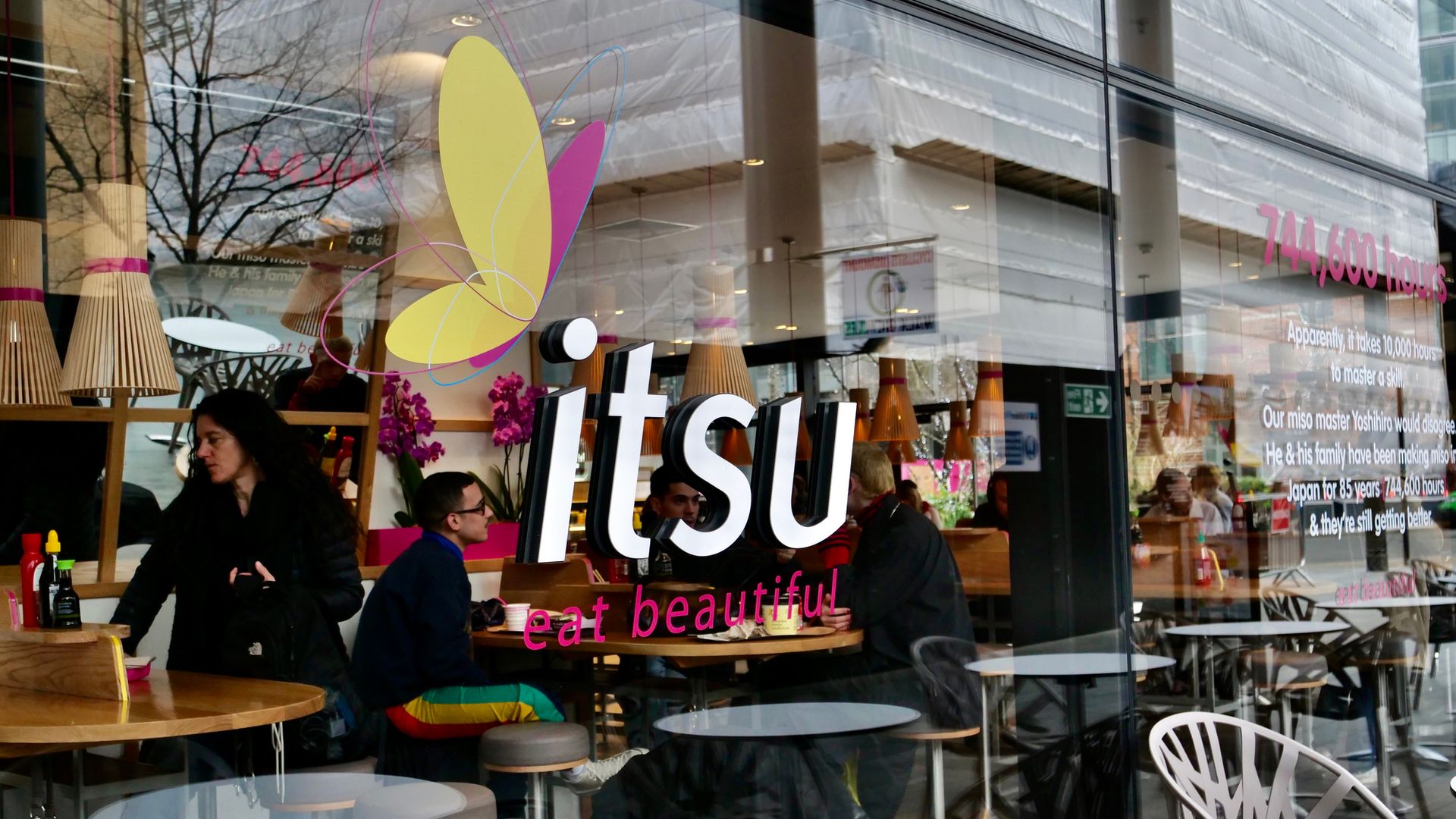
Source image: skynews.com
skynews.comPrivate Equity Exit Strategies in the Post-Pandemic Retail Dining Sector
Bridgepoint, a leading alternative asset management firm, is actively preparing to divest its position in Itsu, the popular Japanese-inspired casual dining restaurant chain and fast-growing grocery brand. The move marks a pivotal chapter for the enterprise, which has leveraged a dual-revenue model combining high-street restaurants with widespread supermarket product placement. For institutional investors and market observers, this impending sale serves as a barometer for valuations within the consumer discretionary and food-retail sectors, highlighting how private equity sponsors look to lock in returns following extensive operational turnarounds.
The Vision Behind the £500 Million Revenue Target
At the helm of this aggressive growth strategy is founder Julian Metcalfe—widely recognized for co-founding Pret A Manger. Metcalfe and his executive team have charted an aggressive roadmap aimed at accelerating Itsu's annual turnover past the £500 million mark. This ambitious projection is supported by two distinct operational pillars:
- Retail Grocery Expansion: Scaling the distribution of Itsu-branded frozen and ambient goods across major international and domestic supermarket chains.
- High-Street Footprint Optimization: Expanding the physical restaurant network into high-yielding regional hubs and transport terminals while refining digital ordering kiosks and automated efficiency.
- Diversified Product Offerings: Capitalizing on rising consumer preference for plant-based, health-conscious, and convenient meal options.
Market Implications and Valuation Dynamics
The decision by Bridgepoint to market its stake reflects broader shifts in how private equity views the hybrid restaurant-retail asset class. Traditional dining chains faced unprecedented headwinds over recent years, prompting structural financial reorganizations, including company-voluntary arrangements (CVAs). However, brands that successfully diversified into fast-moving consumer goods (FMCG) shielded themselves against fluctuating foot traffic. Consequently, potential buyers are expected to evaluate Itsu not merely as a restaurant portfolio, but as a scalable consumer packaged goods (CPG) brand with considerable international headroom.
Key Indicators for Investors to Monitor
As the sale process gathers momentum, market participants and prospective buyers should evaluate several critical operational benchmarks:
EBITDA Margins: Assessing the profitability balance between high-margin retail grocery sales and lower-margin, cost-sensitive physical restaurant operations.
Supply Chain Resilience: Monitoring how Itsu navigates ongoing food inflation, labor shortages, and international logistics hurdles.
Competitive Moat: Evaluating the brand's ability to maintain consumer loyalty within the ultra-competitive healthy fast-food segment against emerging multi-channel competitors.
Ultimately, the upcoming transaction will test current market appetite for mid-market consumer assets with aggressive scaling ambitions, setting a benchmark valuation for hybrid food businesses traversing both the high street and supermarket aisles.
Continue reading
Related coverage in Business
nytimes.com
David Ellison Targets CNN Leadership Continuity in Paramount Merger Talks
David Ellison is currently negotiating to retain CNN CEO Mark Thompson without oversight from CBS editor in chief Bari Weiss as parent companies navigate merger plans.
2 min read
bbc.com
Decoding Nike’s Slump: How Strategic Missteps Cost the Sportswear Titan Its Edge
Explore the factors behind Nike's dramatic market decline. Industry analysts dissect the self-inflicted strategic errors that shook the sportswear giant.
3 min read
bbc.com
Treasury Committee Directs HMRC to Investigate Tax Implications of Manchester City Case
The UK Treasury Committee has called on HMRC to closely examine potential tax ramifications arising from the high-profile Manchester City legal verdict.
3 min read
nytimes.com
US Imposes Sanctions on Russian Firm A7 Over Global Shell Company Evasion Schemes
The United States targets Russian financial firm A7 with new sanctions following reports of utilizing global shell companies to bypass existing economic restrictions.
3 min read