Breaking the Mold: How Apple's iPhone Duo Changes the Future of Mobile Computing
Apple has officially entered the foldable market with the $1,999 iPhone Duo, challenging industry norms and redefining mobile productivity for executives.
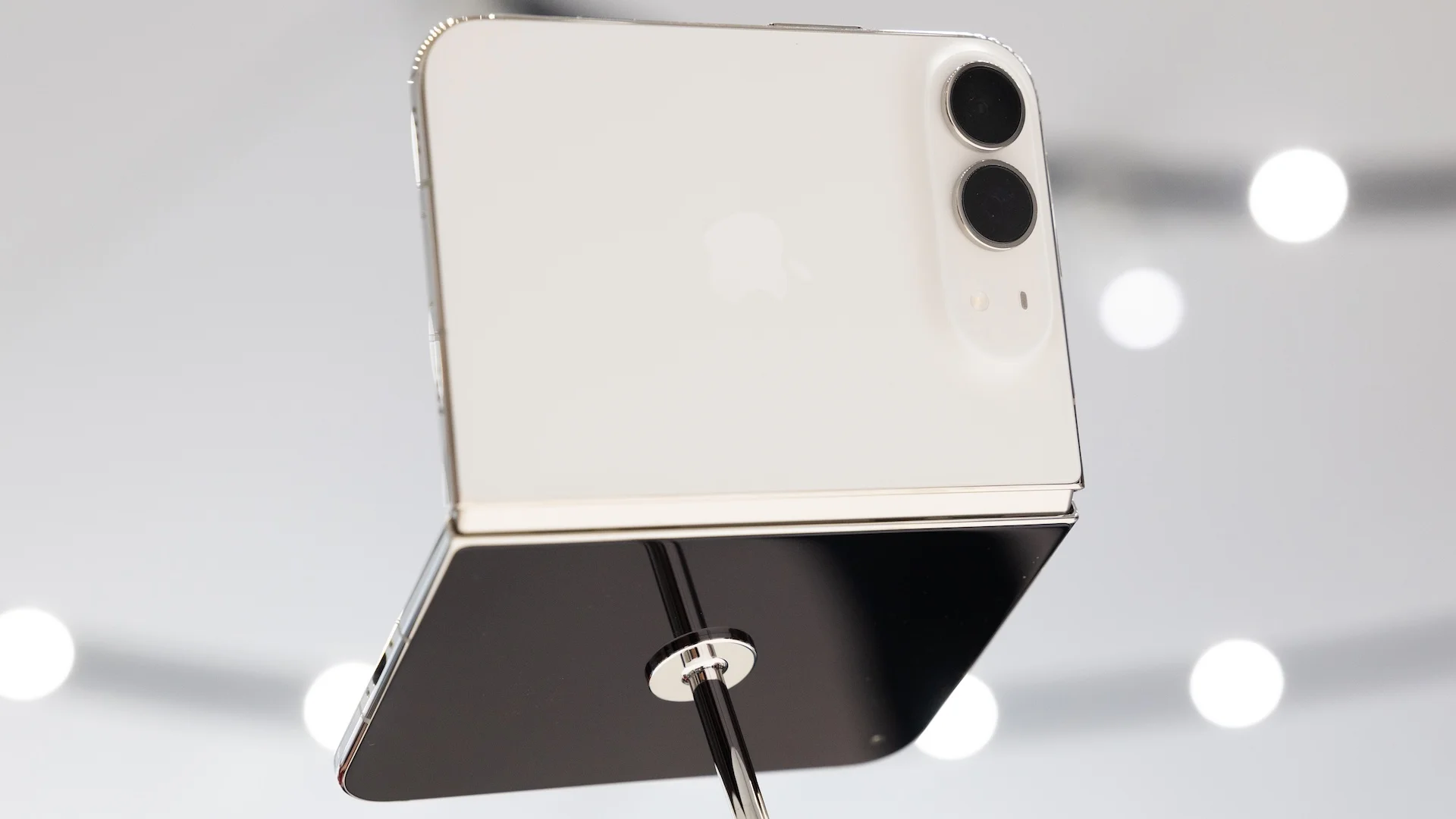
Source image: inc.com
inc.comA New Era for Cupertino's Flagship Device
For years, skeptics argued that Apple would steer clear of the foldable smartphone market, pointing to durability concerns, awkward aspect ratios, and a lack of compelling enterprise use cases. However, industry dynamics shifted dramatically during Apple's landmark autumn event at Apple Park. Newly minted CEO John Ternus took to the stage to introduce the company's most radical hardware departure in over a decade: the iPhone Duo. Starting at $1,999, the device represents a calculated risk by Apple to redefine a category that competitors like Samsung and Google have spent years trying to perfect.
Rather than adopting the tall, narrow profile common among existing foldables, Apple engineered the iPhone Duo around a more ergonomic, passport-sized footprint. When closed, it features a 5.4-inch outer display; when unfolded, it reveals a sprawling 7.6-inch inner screen optimized around a consistent aspect ratio. By focusing on a layout closely mirroring traditional 4:3 display formats, Apple has successfully tailored the hardware for seamless content consumption, document editing, and multi-app multitasking.
Engineering Marvels and Tactical Compromises
Building the thinnest open-profile device in iPhone history required profound engineering ingenuity, yet it also necessitated specific hardware compromises. To achieve its sleek profile, Apple omitted traditional biometric features like Face ID in favor of a power-button-integrated Touch ID sensor. Furthermore, the device relies exclusively on eSIM infrastructure and houses a streamlined dual-camera array rather than the triple-lens configuration found on standard Pro models.
Beneath the chassis, the iPhone Duo runs on the advanced A20 Pro chip, manufactured on cutting-edge 2nm architecture. This provides significant performance boosts, including enhanced memory bandwidth and an upgraded graphics engine tailored for heavy computational tasks and advanced on-device AI processing. Dual internal batteries deliver impressive longevity, ensuring that professionals can transition between commute-friendly outer screen use and immersive inner screen productivity without battery anxiety.
Market Implications and Enterprise Appeal
The launch of the iPhone Duo carries profound implications for the broader luxury consumer electronics market:
- Enterprise Adoption: The 7.6-inch canvas functions effectively as a pocket-sized iPad Mini, making it an ideal tool for reviewing spreadsheets, managing complex workflows, and executing split-screen tasks on the go.
- Pricing Strategy: At a $1,999 entry point, Apple is cementing foldables firmly in the ultra-premium tier, testing the price elasticity of high-net-worth consumers and corporate technology buyers.
- Ecosystem Maturation: Early developer adaptation—exemplified by optimized video and productivity applications—signals that Apple's software ecosystem is rapidly rallying behind the dual-screen paradigm.
What Investors and Executives Should Watch
As preorders open ahead of the official late-October shipping date, Wall Street will closely monitor initial demand and supply chain yields. Key metrics to observe include consumer adoption rates relative to standard flagship models like the iPhone 18 Pro, enterprise bulk purchasing trends, and how competing Android manufacturers respond to Apple's design language. If the iPhone Duo succeeds in turning foldables into mainstream enterprise necessities, it could ignite a fresh super-cycle of hardware upgrades across the luxury tech sector.
Continue reading
Related coverage in Business
nytimes.com
David Ellison Targets CNN Leadership Continuity in Paramount Merger Talks
David Ellison is currently negotiating to retain CNN CEO Mark Thompson without oversight from CBS editor in chief Bari Weiss as parent companies navigate merger plans.
2 min read
bbc.com
Decoding Nike’s Slump: How Strategic Missteps Cost the Sportswear Titan Its Edge
Explore the factors behind Nike's dramatic market decline. Industry analysts dissect the self-inflicted strategic errors that shook the sportswear giant.
3 min read
bbc.com
Treasury Committee Directs HMRC to Investigate Tax Implications of Manchester City Case
The UK Treasury Committee has called on HMRC to closely examine potential tax ramifications arising from the high-profile Manchester City legal verdict.
3 min read
nytimes.com
US Imposes Sanctions on Russian Firm A7 Over Global Shell Company Evasion Schemes
The United States targets Russian financial firm A7 with new sanctions following reports of utilizing global shell companies to bypass existing economic restrictions.
3 min read