Bitget Wallet Hack Slashes $351.6M as CEO Gracy Chen Blames North Korea
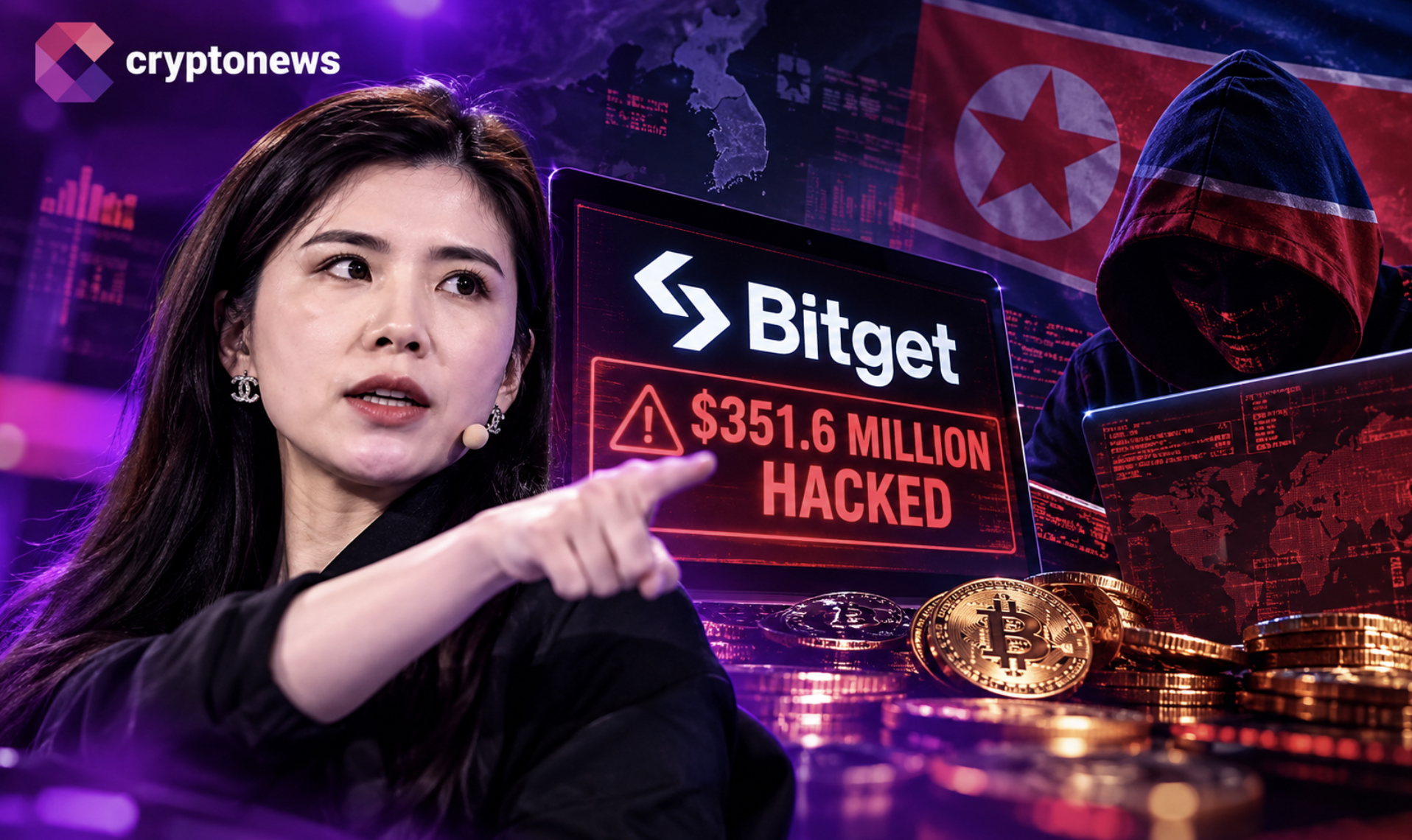
Bitget faces a $351.6M wallet breach, freezing withdrawals while its claimed $464M protection fund remains unverified. CEO Gracy Chen points to North Korea.
Source image: cryptonews.com
cryptonews.comOverview of the Bitget Wallet Breach
The digital asset ecosystem is reeling from a massive security incident involving Bitget Wallet, which suffered a devastating $351.6M loss in a sophisticated cyberattack. The breach immediately forced platform executives to freeze user withdrawals to stem the bleeding, sending shockwaves through the broader decentralized finance and centralized exchange markets. While standard trading operations have reportedly continued as normal, the underlying structural integrity of the platform faces intense scrutiny.
Attribution and Executive Response
In the wake of the exploit, Bitget CEO Gracy Chen publicly pointed the finger at North Korea, implicating state-sponsored hacking groups notorious for targeting cryptocurrency infrastructure to fund illicit state operations. This attribution highlights the growing geopolitical dimension of cybersecurity threats facing financial institutions. However, despite executive finger-pointing, institutional investors and retail participants are demanding greater accountability regarding how the breach occurred and how deeply the malicious actors penetrated the system's architecture.
The Protection Fund Controversy
One of the most alarming aspects of the crisis is the status of Bitget's safety net. The platform has historically claimed to maintain a robust $464M protection fund designed to absorb catastrophic losses and reimburse affected users. Yet, in the immediate aftermath of the $351.6M drain, this protection fund remains entirely unverified by independent third-party audits or transparent on-chain proofs. For executives and investors, the inability to verify these reserves in real-time shatters confidence in platform solvency guarantees during black swan events.
Market Implications for Crypto Custody
The Bitget exploit serves as a stark reminder of the inherent counterparty and technical risks associated with digital asset storage. Key market implications include:
- Heightened Regulatory Scrutiny: Regulators globally are expected to use this incident to crack down on centralized platforms and wallet providers, demanding strict proof-of-reserves and mandatory third-party security audits.
- Shift Toward Self-Custody: Incidents of this scale historically drive a mass exodus of capital from hosted wallets toward hardware wallets and decentralized self-custody solutions.
- Insurance Market Pressures: Decentralized finance and centralized crypto insurers will likely re-evaluate risk models, leading to higher premiums or restricted coverage for major wallet operators.
Key Indicators to Watch
For entrepreneurs, investors, and industry executives navigating the aftermath of the Bitget breach, several critical metrics and developments warrant close observation:
- Fund Verification Audits: Any independent cryptographic proof or third-party audit confirming the liquidity and existence of the claimed $464M protection fund.
- Withdrawal Resumption Timeline: Official updates regarding when frozen user funds will be unfrozen and safely returned or migrated.
- On-Chain Fund Movements: Blockchain analytics tracking the stolen $351.6M as hackers attempt to launder funds through mixers, cross-chain bridges, or decentralized exchanges.
- Global Regulatory Responses: Statements or emergency directives from financial watchdogs concerning exchange security compliance and risk management standards.
Ultimately, the Bitget Wallet hack is a watershed moment for digital asset security. It reinforces the reality that operational continuity during a crisis means little if underlying user funds are compromised and safety nets cannot be independently verified.
Continue reading
Related coverage in Crypto
cointelegraph.com
Trump Schedules Third Memecoin Holder Dinner Amid Growing Corruption Scrutiny
President Trump is set to host his third exclusive memecoin dinner for top token holders at his Washington, DC golf club, drawing renewed ethical and market scrutiny.
3 min read
cointelegraph.com
50,000 Europeans Petition EU to Relax MiCA Stablecoin Reward Restrictions
A new 50,000-letter campaign is urging Brussels to ease stablecoin rewards restrictions during the MiCA review, aligning with broader central bank pushes.
2 min read
cryptonews.com
Dogecoin Eyes $1 Milestone as DogeOS Testnet Launch Sparks Utility Speculation
Dogecoin trades at $0.09447 as the DogeOS testnet goes live. Traders eye the $0.098 resistance and psychological $0.10 mark amid fresh utility potential.
2 min read
decrypt.co
Bitcoin Enters 'Uptober' Amid Fed Rate Hike Pressures and 5.3% Treasury Yields
Bitcoin enters its historically strongest month following a record September, yet rising Federal Reserve rate hike fears and 5.3% Treasury yields present major hurdles.
2 min read