Bill Harris Launches AI Financial Advice App to Democratize Wealth Management
Former PayPal and Intuit CEO Bill Harris introduces a new self-directed AI financial advice platform designed to eliminate minimum balance requirements.
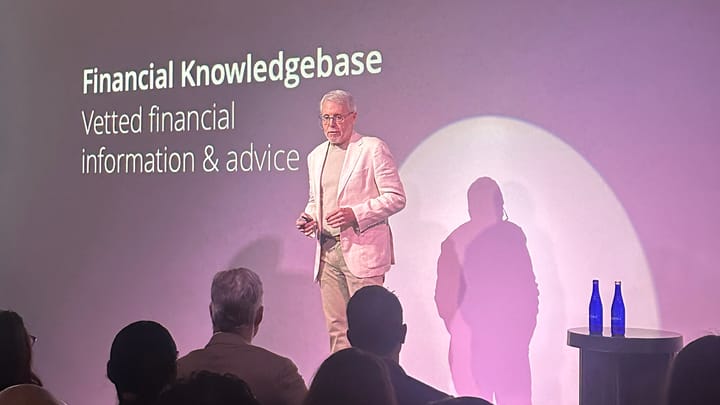
Source image: wealthmanagement.com
wealthmanagement.comIntroduction to Bill Harris's New AI Venture
In a notable development for the financial technology sector, Bill Harris—the former chief executive officer of both PayPal and Intuit—has launched a brand-new artificial intelligence-powered financial advice application. Designed as a self-directed platform, the initiative aims to fundamentally democratize complex wealth management strategies. By removing traditional barriers to entry, such as steep asset minimums, the platform opens up institutional-grade financial planning tools to a wider array of everyday investors.
What Happened: The Core Offering
The newly unveiled application utilizes advanced AI algorithms to deliver tailored financial guidance directly to users. Key elements of the launch include:
- Self-Directed Access: Investors manage their portfolios independently while receiving automated, intelligent insights.
- No Minimum Balances: The platform explicitly targets inclusivity by allowing users with any amount of capital to participate.
- Democratized Strategies: Sophisticated wealth management tactics, once reserved for high-net-worth clients, are translated into actionable digital advice.
Why It Matters for Investors and Executives
For executives and industry stakeholders, the entrance of a veteran leader like Bill Harris into the AI wealth space signals a turning point. Traditional wealth management models have long relied on human advisors who require significant assets under management to remain profitable. An automated, AI-driven alternative that scales effortlessly down to retail investors challenges incumbent business models and forces a reevaluation of fee structures across the advisory landscape.
Market Implications and Competitive Pressures
The broader financial market is already crowded with robo-advisors and automated trading platforms, but the integration of advanced generative and analytical AI raises the stakes. Market implications include:
- Increased Price Compression: Traditional advisors may face downward pressure on management fees as free or low-cost AI alternatives proliferate.
- Shift in Consumer Expectations: Retail investors increasingly demand personalized, real-time insights accessible via mobile devices.
- Strategic Realignment: Established firms may look to acquire or partner with AI startups to modernize their tech stacks.
What Readers Should Watch
As this new platform rolls out, investors, entrepreneurs, and wealth management executives should monitor several critical factors:
- Regulatory Scrutiny: How financial regulators approach AI-generated advice and fiduciary standards.
- User Adoption Rates: Whether everyday investors embrace self-directed AI tools over human guidance during volatile market conditions.
- Competitive Responses: How legacy financial institutions and existing robo-advisors adapt their product offerings to counter this new wave of automation.
For more details and original context, read the complete report at the WealthManagement.com source coverage.
Continue reading
Related coverage in Wealth Management
wealthmanagement.com
Orion Ascent 2027 Unveils AI-Driven Wealthtech Roadmap to Scale Advisor Growth
Discover how Orion Ascent 2027 is shaping the future of wealth management with a focus on practical AI tools, household-level personalization, and expanded operational capacity.
3 min read
wealthmanagement.com
Wealth Management CIOs Pivot to Short-Duration Bonds Amid Market Shudders
Rising yields in the bond market are prompting wealth management CIOs to seize new income opportunities at shorter durations without excessive risk.
2 min read
wealthmanagement.com
Compliance Experts Urge RIAs to Reevaluate Section 351 ETF Conversions After New IRS Guidance
Following recent IRS guidance targeting tax avoidance, compliance experts warn registered investment advisors to reconsider recommending Section 351 ETF conversions.
2 min read
wealthmanagement.com
Fidelity Elevates RIA Custody Asset Minimum to $100M: Strategic Shift Impacts Smaller Advisors
Fidelity announces a new $100 million client asset minimum for RIA custody services, requiring smaller advisors to transition off the platform by mid-2027.
3 min read