Bill Gates Commits $1 Billion as Foundation Warns AI Threatens Global Inequality
Bill Gates warns that artificial intelligence risks leaving the developing world behind. The Gates Foundation is launching a $1 billion initiative to bridge the gap.
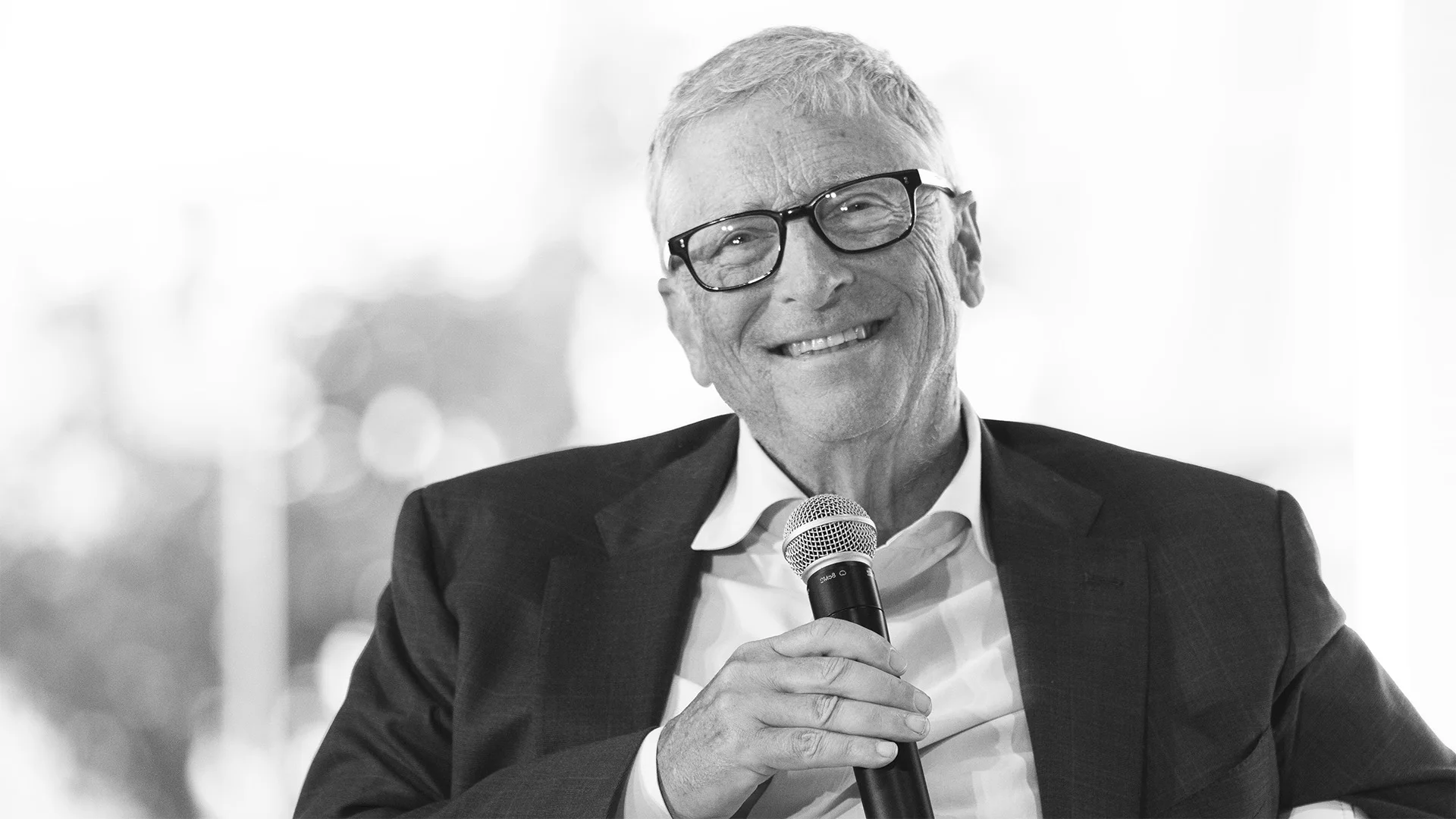
Source image: inc.com
inc.comThe Urgent Choice Facing the Global Tech Economy
As artificial intelligence rapidly reshapes the global economic landscape, tech visionary and billionaire philanthropist Bill Gates has issued a stark warning regarding its trajectory. In tandem with the release of the Bill & Melinda Gates Foundation’s 2026 Goalkeepers Report—titled Make This Matter: AI, Equity, and the Choice We Can’t Delay—leadership has underscored that the commercial market alone will inevitably prioritize profits in wealthy nations, leaving impoverished regions structurally disenfranchised.
The foundation’s newly minted $1 billion funding commitment over the next two years is designed to act as a crucial counterweight. By channeling capital directly into underserved sectors, the initiative seeks to ensure that transformative technologies do not simply reinforce existing economic hierarchies, but instead actively lift up communities that commercial technology developers frequently overlook.
Targeting High-Impact Sectors: Health, Agriculture, and Education
The capital allocation plan is strategically partitioned to maximize utility across foundational pillars of developing economies. Foundation leadership notes that approximately 40 percent of the initial funds will target education technology, another 40 percent will bolster healthcare applications, 10 percent will modernize smallholder agriculture, and the remaining 10 percent will build out essential digital infrastructure.
- Healthcare: Developing diagnostic and administrative AI agents to assist frontline medical workers in resource-constrained environments.
- Agriculture: Deploying localized advisory tools to help farmers adapt to changing climate realities and optimize crop yields.
- Education: Crafting scalable, personalized tutoring models tailored to diverse regional curricula and linguistic backgrounds.
- Infrastructure: Funding the curation of vast datasets in underrepresented non-English languages to ensure true linguistic and cultural inclusivity.
Market Implications and the Risk of Commercial Silos
For institutional investors and technology executives, the Gates Foundation’s thesis introduces a vital strategic pivot. While Silicon Valley and global tech hubs race toward high-margin enterprise automation and consumer software, an immense vacuum remains in public-sector and developing-market digital infrastructure. Left unaddressed, this divergence risks creating a two-speed global economy where advanced predictive intelligence supercharges productivity in the Global North while the Global South falls further behind.
Gates argues that the window to steer this technology toward equitable outcomes is remarkably narrow. Decisions made by policymakers, venture capitalists, and tech architects over the next 12 to 18 months will permanently lock in frameworks for data governance, model training, and market access.
What Investors and Executives Should Watch
As this multi-year initiative rolls out, industry watchers should monitor several key performance indicators and shifting trends:
Ultimately, the $1 billion pledge is framed by foundation leadership not merely as charitable spending, but as a down payment on structural market correction. For investors navigating the next decade of digital transformation, recognizing the commercial and social imperative of inclusive AI will be paramount to long-term value creation.
Continue reading
Related coverage in Business
nytimes.com
David Ellison Targets CNN Leadership Continuity in Paramount Merger Talks
David Ellison is currently negotiating to retain CNN CEO Mark Thompson without oversight from CBS editor in chief Bari Weiss as parent companies navigate merger plans.
2 min read
bbc.com
Decoding Nike’s Slump: How Strategic Missteps Cost the Sportswear Titan Its Edge
Explore the factors behind Nike's dramatic market decline. Industry analysts dissect the self-inflicted strategic errors that shook the sportswear giant.
3 min read
bbc.com
Treasury Committee Directs HMRC to Investigate Tax Implications of Manchester City Case
The UK Treasury Committee has called on HMRC to closely examine potential tax ramifications arising from the high-profile Manchester City legal verdict.
3 min read
nytimes.com
US Imposes Sanctions on Russian Firm A7 Over Global Shell Company Evasion Schemes
The United States targets Russian financial firm A7 with new sanctions following reports of utilizing global shell companies to bypass existing economic restrictions.
3 min read