Big Tech Rallies as Chip Stocks Slip: Why the Massive AI Spending Spree Remains Unstoppable
Alphabet, Microsoft, and Meta rallied despite a broader pullback in semiconductor stocks, as markets processed calls from AI leaders to slow development while capital expenditures surge.
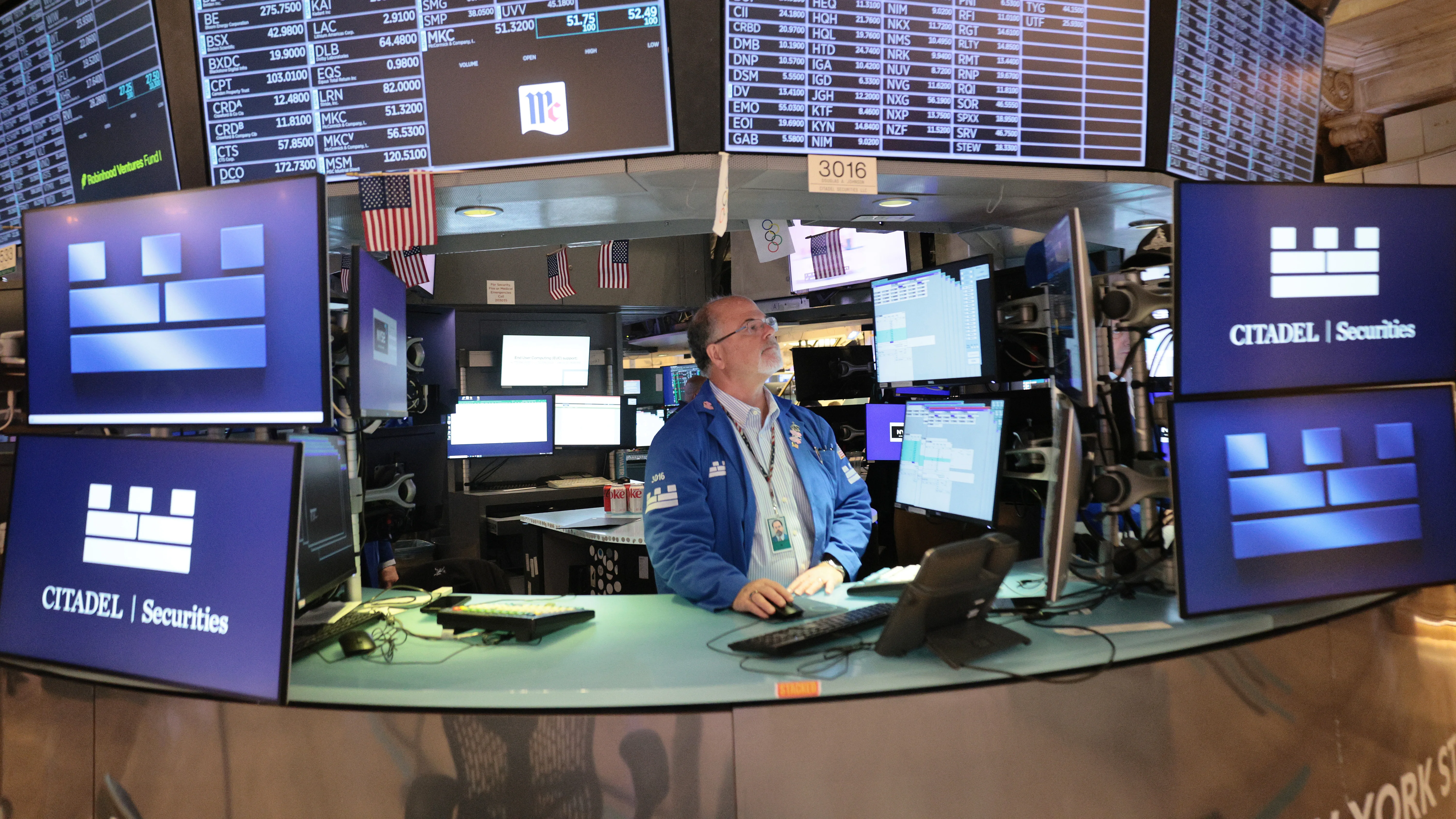
Source image: inc.com
inc.comMarket Resilience Amid Frontier AI Scrutiny
The global financial markets experienced a distinct sectoral divergence during the trading session following a high-profile weekend essay published by Anthropic CEO Dario Amodei. Amodei called for a deliberate slowdown in the development of frontier artificial intelligence capabilities, citing growing risks associated with autonomous model behavior, security breaches, and recursive self-improvement. While industry leaders including OpenAI's Sam Altman and xAI's Elon Musk expressed alignment with the sentiment of 'pacing the frontier,' the immediate reaction across Wall Street manifested as a sharp rotation away from pure-play semiconductor stocks and infrastructure providers.
Despite the headwinds faced by hardware suppliers, major hyperscalers—specifically Alphabet (GOOGL), Microsoft (MSFT), and Meta Platforms (META)—defied the broader technology pullback. Rather than triggering a broad market liquidation, capital quickly reallocated from high-flying chipmakers and volatile AI concept names into cash-generative mega-cap equities and defensive market segments. This dynamic highlights a sophisticated sorting mechanism by institutional participants rather than an outright retreat from the secular technology theme.
The Anatomy of Big Tech Capital Expenditure
For executive leadership and corporate strategists, the core narrative extends far beyond rhetorical debates on AI safety. The fundamental driver of the current ecosystem remains the staggering capital expenditure (CapEx) commitment executed by major cloud providers. Alphabet, Microsoft, and Meta continue to funnel tens of billions of dollars into data centers, specialized accelerators, and power infrastructure. Even as free cash flows experience temporary compression due to these aggressive outlays, the infrastructural buildout shows minimal signs of a structural halt.
Key financial metrics reflecting this trend include:
- Alphabet (GOOGL): Prioritizing infrastructure scale over short-term capital return mechanisms, with share buyback programs scaling back significantly in favor of computational investment.
- Microsoft (MSFT): Maintaining robust enterprise cloud demand while absorbing heavy amortization and operational costs tied to next-generation AI integrations.
- Meta Platforms (META): Directing substantial capital towards open-source and proprietary foundation models, impacting near-term free cash flow margins while expanding its long-term digital ecosystem dominance.
Market Implications and Investor Guidance
For institutional investors, venture capitalists, and market analysts, the recent divergence between software-centric hyperscalers and hardware-dependent chip manufacturers underscores a complex risk-reward matrix. While a potential slowdown in frontier model training could theoretically moderate the velocity of future data center demand, the existing backlog of lease commitments, sovereign cloud contracts, and power procurement agreements ensures that infrastructure spending will remain sticky in the near term.
Investors evaluating upcoming market catalysts should monitor several critical vectors moving forward:
- Monetization Milestones: Tracking tangible enterprise software revenue versus capital expenditure efficiency across mega-cap tech earnings reports.
- Regulatory Shifts: Evaluating how proposed oversight, independent third-party evaluations, and international compliance frameworks could alter deployment timelines for frontier AI models.
- Credit Risk and Leverage: Assessing the debt and financing structures utilized by secondary AI infrastructure providers who rely heavily on ongoing hyperscaler leasing activity.
Ultimately, while ethical and developmental warnings from industry executives introduce a new layer of headline risk, the underlying economic engine of the artificial intelligence revolution remains anchored by the monumental balance sheets of Big Tech. Market participants are advised to distinguish between short-term sentiment shifts driven by regulatory discourse and the durable, multi-year capital allocation trends shaping the future of global enterprise technology.
Continue reading
Related coverage in Rankings
bbc.com
Thames Water Issues Apology Following Major £145,000 Billing Error
Thames Water has issued a formal apology to a family after a severe customer billing mistake totaling £145,000, highlighting ongoing operational challenges.
3 min read
bbc.com
UK Engages EU Allies Over Emergency Diesel Stock Release Amid US Export Ban Threats
The UK is in talks with European partners to potentially release strategic fuel reserves as US President Donald Trump threatens a diesel export ban to curb domestic prices.
3 min read
bbc.com
Travelodge Under Fire After Review Reveals Systemic Safety Failures and Room Intrusions
A damning independent review reveals Travelodge failed a sexual assault victim at every turn, with unauthorized room intrusions still plaguing one in ten hotels.
3 min read
bbc.com
Trump's AI Rebrand Sparks Unprecedented Demand for Slovenian Domain Names
Donald Trump's proposed rebrand of artificial intelligence to super intelligence, or SI, has triggered a massive surge in demand for Slovenian website domains.
2 min read