Beyond the Retail Exodus: The Strategic Calculus Driving CVS Store Reductions
As CVS trims its national retail footprint, industry insiders reveal that shifting consumer behavior and footprint optimization are dictating a new era for pharmacies.
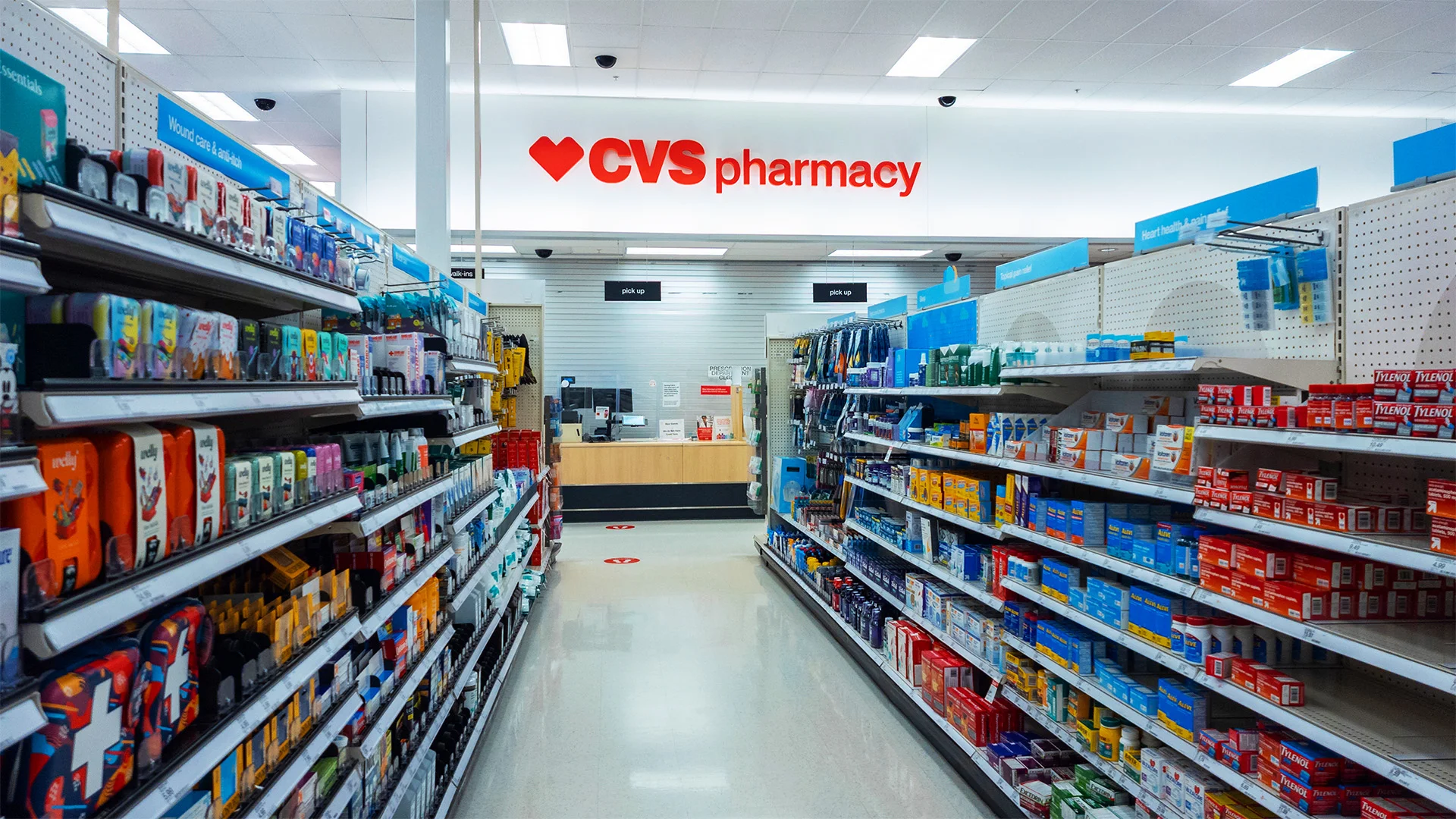
Source image: inc.com
inc.comDecoding the CVS Real Estate Evolution
For years, casual observers and retail shoppers have watched trusted local CVS locations wind down operations, often attributing the trend exclusively to rising retail crime, localized economic strain, or broad economic downturns. However, financial analysts and commercial real estate experts look past the surface narratives to find a much more calculated corporate strategy. CVS Health, managing a sprawling enterprise generating nearly $358 billion in annual revenue, is aggressively reshaping its physical footprint to match modern consumer behavior.
The multi-year rationalization plan involves pruning redundant, legacy locations that suffer from excessive density and outdated store layouts. Rather than reacting purely to short-term industry headwinds, executive leadership is executing a fundamental pivot designed to maximize asset productivity. This involves transitioning away from cavernous, general-merchandise-heavy storefronts toward streamlined models engineered explicitly for modern health, wellness, and rapid prescription fulfillment.
The Core Drivers Behind the Shift
Several underlying market forces dictate why legacy pharmacy architectures are giving way to agile formats:
- Foot Traffic Evolution: The proliferation of e-commerce and digital prescription management has permanently altered how consumers interact with pharmacy brands, reducing the necessity of massive physical retail aisles.
- Over-Density Correction: Decades of aggressive expansion left many urban and suburban centers saturated with overlapping locations that cannibalized each other’s profitability.
- Margin Pressures: Thinning margins on traditional prescription drug fulfillment require retailers to tightly manage overhead and optimize square-footage yield.
- Format Modernization: Capital is being reallocated away from aging real estate toward smaller, high-convenience footprints equipped with drive-thrus and targeted clinical services.
Market Implications and Financial Rebound
The macroeconomic significance of CVS’s strategy extends far beyond individual neighborhood inconveniences. By pruning unprofitable operations, CVS is positioning its core balance sheet for enhanced operational efficiency. Market indicators highlight that this rigorous portfolio review is paving the way for net growth phases, with the company eyeing targeted openings of smaller, specialized pharmacy-only sites.
For institutional investors, this transition signals disciplined capital allocation. Rather than forcing capital into legacy structures that fail to meet modern return thresholds, CVS is prioritizing higher-margin health services and localized accessibility. The long-term success of this model will rely heavily on maintaining essential healthcare access points while avoiding the pitfalls of overexpansion that characterized past decades.
What Investors and Executives Should Watch
As this multi-phase retail restructuring continues to unfold, stakeholders should monitor key performance metrics to gauge the health and velocity of the pivot:
Footprint Productivity: Track revenue-per-square-foot metrics across newly minted smaller formats versus legacy stores slated for rationalization.
Digital Integration: Evaluate the synergy between closed physical storefronts and digital customer retention, ensuring that local pharmacy clients successfully migrate to online or nearby brick-and-ortho alternatives.
Regulatory and Healthcare Shifts: Keep a close eye on insurance reimbursement trends and pharmacy benefit manager (PBM) dynamics, which heavily dictate retail pharmacy profitability.
Ultimately, CVS’s strategic contraction is a textbook case of corporate adaptation. By shedding legacy deadweight and doubling down on high-utility healthcare real estate, the company is demonstrating how traditional retail giants must evolve to survive and thrive in a digital-first economy.
Continue reading
Related coverage in Rankings
bbc.com
Thames Water Issues Apology Following Major £145,000 Billing Error
Thames Water has issued a formal apology to a family after a severe customer billing mistake totaling £145,000, highlighting ongoing operational challenges.
3 min read
bbc.com
UK Engages EU Allies Over Emergency Diesel Stock Release Amid US Export Ban Threats
The UK is in talks with European partners to potentially release strategic fuel reserves as US President Donald Trump threatens a diesel export ban to curb domestic prices.
3 min read
bbc.com
Travelodge Under Fire After Review Reveals Systemic Safety Failures and Room Intrusions
A damning independent review reveals Travelodge failed a sexual assault victim at every turn, with unauthorized room intrusions still plaguing one in ten hotels.
3 min read
bbc.com
Trump's AI Rebrand Sparks Unprecedented Demand for Slovenian Domain Names
Donald Trump's proposed rebrand of artificial intelligence to super intelligence, or SI, has triggered a massive surge in demand for Slovenian website domains.
2 min read