Beyond the Paycheck: Why Billionaires Like Warren Buffett Refuse to Retire and What It Means for Modern Work
New insights into Warren Buffett's lifelong dedication to work reveal a growing cultural shift where financial independence leads to more labor, not less.
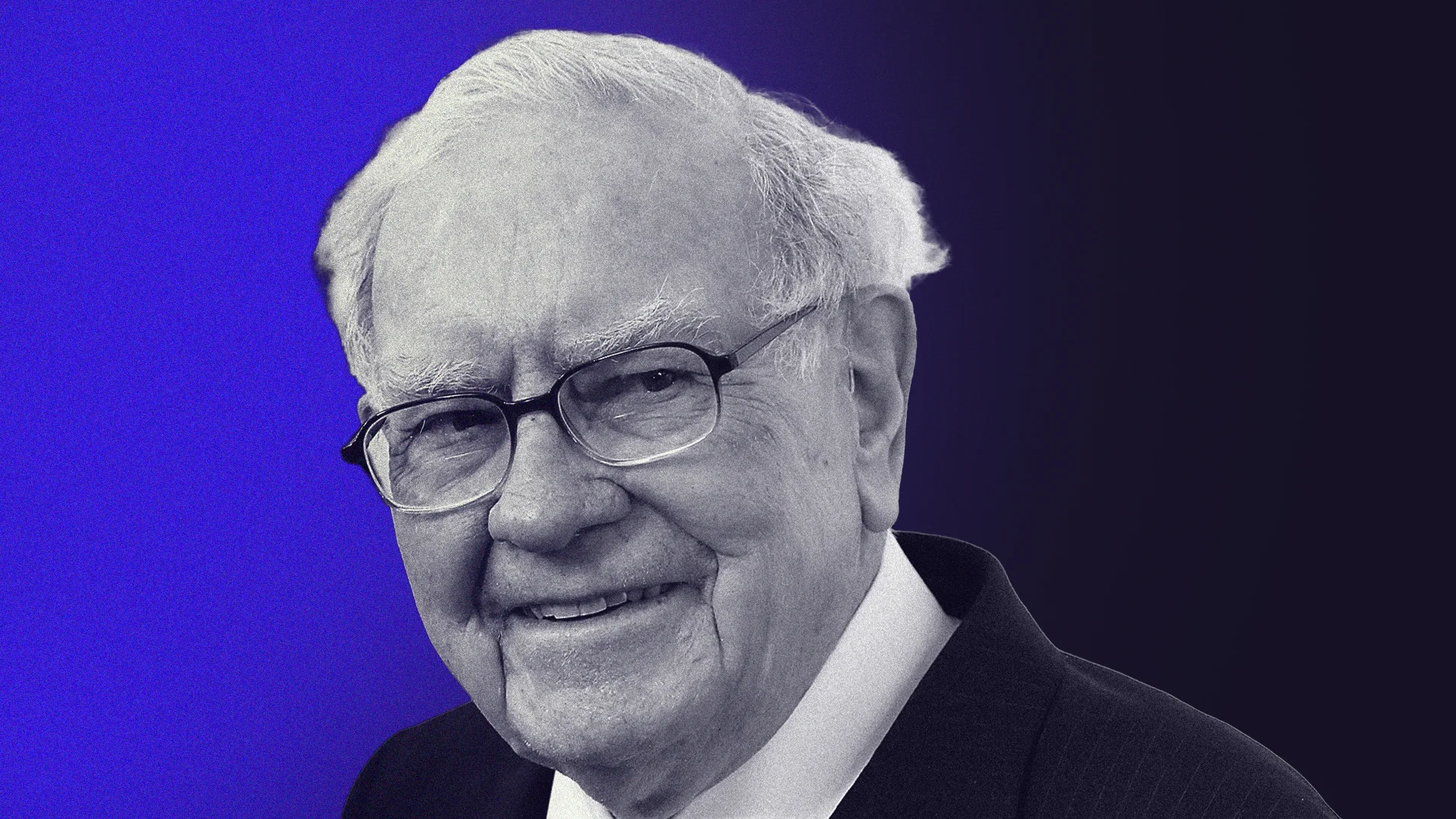
Source image: inc.com
inc.comThe Paradox of Wealth and Labor
For generations, the traditional economic trajectory has followed a predictable blueprint: endure decades of mandatory labor, accumulate sufficient capital, and exit the workforce entirely to enjoy leisure in older age. Yet, titans of industry like Berkshire Hathaway CEO Warren Buffett completely upend this conventional wisdom. Despite commanding a net worth that places him among the wealthiest individuals in human history, Buffett reports to his office in Omaha with the same regularity he did decades ago. His motivation is detached from monetary compensation; rather, it is anchored in an intrinsic passion for capital allocation, mentorship, and enterprise building.
Buffett's enduring career trajectory highlights a fascinating psychological phenomenon often overlooked by traditional financial planners. When individuals achieve absolute financial independence, money ceases to be an incentive. What remains is a pure choice regarding how to deploy one's cognitive capital. For Buffett and a growing cohort of elite executives, that choice is to keep working.
Contrasting the FIRE Movement with Purpose-Driven Labor
In recent years, the Financial Independence, Retire Early (FIRE) movement has gained significant traction among millennials and Gen Z professionals. Adherents target savings rates of 50 to 75 percent to sever ties with stressful corporate environments as quickly as possible. The underlying premise of FIRE is defensive: escape a negative professional environment by building an asset fortress.
However, the philosophy embodied by Buffett is fundamentally offensive and identity-driven. When work is aligned with personal genius and deep-seated interests, retirement loses its appeal. As Buffett famously noted, he has spent his life "tap-dancing to work." For entrepreneurs, C-suite executives, and high-net-worth innovators, wealth does not fund an exit strategy from productivity; it provides the ultimate autonomy to choose projects that genuinely matter without the burden of short-term financial survival.
- Autonomy Over Age: High-achieving professionals increasingly reject rigid retirement timelines, opting instead for lifelong engagement.
- Identity Integration: For leaders at the pinnacle of business, work is not merely a job description—it is a primary expression of self.
- The Danger of Deferral: Buffett has frequently warned against postponing meaningful endeavors, comparing it to saving rewards for an imaginary future that may never manifest.
Market Implications and Corporate Longevity
The realization that ultra-successful individuals refuse to step down has profound implications for corporate governance and investor confidence. Key themes shaping modern markets include:
1. Executive Stewardship: Markets frequently price a "key-person discount" or premium based on legendary leadership. Investors in Berkshire Hathaway, for instance, have long factored Buffett's continuous daily oversight into the conglomerate's stability and valuation.
2. The Evolution of Retirement Products: Wealth management firms are shifting away from rigid end-date portfolios. Advisors now construct wealth strategies geared toward lifestyle transition, phased semi-retirement, and entrepreneurial pivots rather than sudden, total cessation of work.
3. Talent Retention and Culture: Modern corporations are learning that top-tier talent values autonomy and purpose over traditional pension handcuffs. Retaining senior leaders requires creating environments where execution feels like creation rather than obligation.
What Investors and Executives Should Watch
As demographics shift and life expectancies rise alongside technological productivity gains, the boundary between work and retirement will continue to blur. Stakeholders should monitor several critical indicators moving forward:
- Shifts in corporate succession planning as legendary founders and executives push active tenures well past traditional retirement ages.
- The evolution of lifestyle-centric wealth management products designed for ultra-high-net-worth individuals who prefer continuous enterprise involvement.
- Macroeconomic trends in labor force participation among older demographics who choose purposeful engagement over idle leisure.
Ultimately, the enduring work ethic of figures like Warren Buffett serves as a masterclass in professional alignment. For investors and executives alike, the true reward of accumulating wealth is not the capacity to stop contributing, but the absolute freedom to work exclusively on terms that inspire greatness.
Continue reading
Related coverage in Rankings
bbc.com
Thames Water Issues Apology Following Major £145,000 Billing Error
Thames Water has issued a formal apology to a family after a severe customer billing mistake totaling £145,000, highlighting ongoing operational challenges.
3 min read
bbc.com
UK Engages EU Allies Over Emergency Diesel Stock Release Amid US Export Ban Threats
The UK is in talks with European partners to potentially release strategic fuel reserves as US President Donald Trump threatens a diesel export ban to curb domestic prices.
3 min read
bbc.com
Travelodge Under Fire After Review Reveals Systemic Safety Failures and Room Intrusions
A damning independent review reveals Travelodge failed a sexual assault victim at every turn, with unauthorized room intrusions still plaguing one in ten hotels.
3 min read
bbc.com
Trump's AI Rebrand Sparks Unprecedented Demand for Slovenian Domain Names
Donald Trump's proposed rebrand of artificial intelligence to super intelligence, or SI, has triggered a massive surge in demand for Slovenian website domains.
2 min read