Beyond the Music: How Dolly Parton Built a $450 Million Commercial Empire
While globally celebrated as the Queen of Country Music, Dolly Parton's sharp retail strategies and brand extensions ultimately generated a multi-hundred-million-dollar fortune.
Source image: inc.com
inc.comThe Blueprint of a Multimakers' Empire
When analyzing the financial footprint of the late, great Dolly Parton, industry analysts often point past her chart-topping anthems to uncover an equally impressive corporate strategist. While her musical catalog—featuring timeless classics like 'I Will Always Love You'—retained an impressive valuation of $120 million, that asset represented a mere fraction of her total estimated $450 million net worth. Parton's ability to convert cultural capital into tangible consumer equity serves as an enduring blueprint for modern entrepreneurs and investors.
Rather than relying solely on traditional touring and record sales, Parton systematically diversified her revenue streams across hospitality, consumer packaged goods (CPG), cosmetics, and lifestyle retail. By maintaining strict creative control and leveraging her authentic persona, she transformed her personal brand into a sprawling commercial ecosystem.
Anchor Assets: The Power of Regional Destination Tourism
Arguably the crown jewel of Parton’s business portfolio was Dollywood, her eponymous theme park located in Pigeon Forge, Tennessee. Escheing traditional entertainment hubs like Orlando or Southern California, Parton rooted her flagship attraction in the shadow of the Great Smoky Mountains near her hometown.
Key Strategic Highlights of the Venture:
- High Revenue Generation: The park consistently pulls in estimated annual revenues ranging between $180 million and $580 million.
- Valuable Equity Stake: Parton’s 50 percent ownership stake alone carried an estimated valuation of $165 million, surpassing the financial weight of her legendary music catalog.
- Local Economic Impact: The park catalyzed regional employment and tourism, proving that destination properties can thrive outside traditional metropolitan footprints.
Strategic Consumer Product Licensing and Partnerships
Beyond theme parks, Parton's commercial genius shone through an eclectic array of strategic brand partnerships and direct-to-consumer product lines. Rather than opting for quick celebrity endorsement deals, she leaned into deeply collaborative arrangements that aligned with her authentic lifestyle.
Her retail portfolio spanned multiple high-margin sectors:
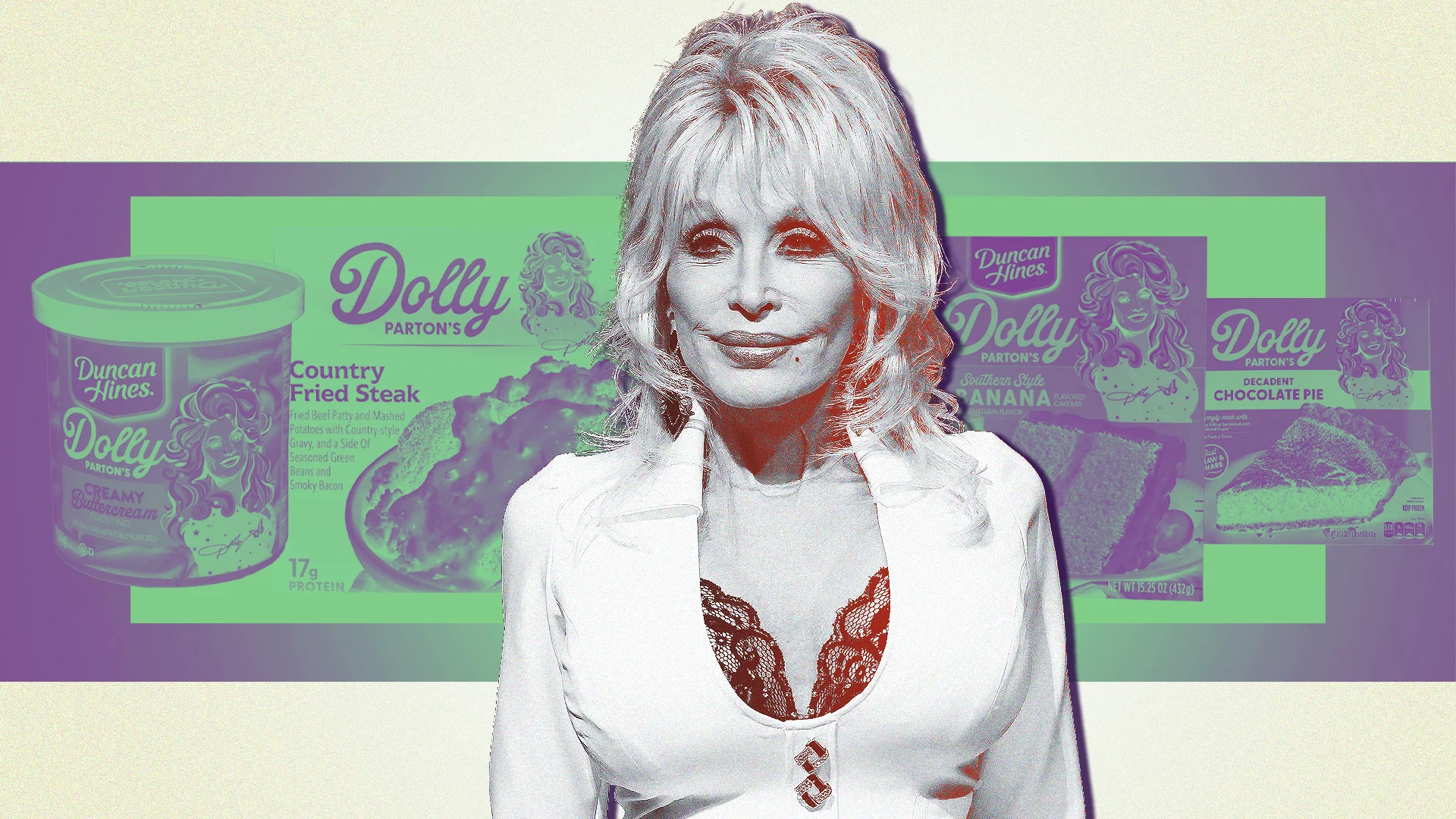
- Home and Kitchenware: In 2024, she partnered with heritage brand Lodge to launch the 'Dolly Parton Cast Iron Collection,' alongside custom cookbooks and baking mixes developed with Duncan Hines.
- Beauty and Fragrance: Following the 2021 launch of her 'Scent From Above' perfume, Parton scaled into a broader cosmetics line featuring signature lipsticks.
- Niche Lifestyle Brands: Ventures included the 'Doggy Parton' pet accessory line, specialty apparel, and an alcohol label dubbed Dolly Wines.
Market Implications and Investor Takeaways
Parton’s business trajectory offers profound insights for modern investors evaluating celebrity-backed brands and consumer goods. In an era where influencer-led startups frequently struggle with customer acquisition costs and authenticity, Parton's empire succeeded because every product extension organically reinforced her core brand narrative.
For executives and founders, the primary lesson lies in asset ownership and geographic diversification. By holding controlling stakes in physical assets like Dollywood and maintaining ownership rights over her creative output, Parton insulated her wealth against industry volatility while commanding maximum pricing power.
What Investors Should Watch
As estates and legacies of historic cultural icons increasingly transition into managed corporate portfolios, market observers should monitor how intellectual property rights and physical attractions are monetized post-founder. The enduring profitability of Dollywood and the continuous expansion of licensed CPG lines demonstrate that authentic brand equity, when paired with disciplined asset management, can outlast generations and continue to deliver robust, compounding economic returns.
Continue reading
Related coverage in Business
nytimes.com
David Ellison Targets CNN Leadership Continuity in Paramount Merger Talks
David Ellison is currently negotiating to retain CNN CEO Mark Thompson without oversight from CBS editor in chief Bari Weiss as parent companies navigate merger plans.
2 min read
bbc.com
Decoding Nike’s Slump: How Strategic Missteps Cost the Sportswear Titan Its Edge
Explore the factors behind Nike's dramatic market decline. Industry analysts dissect the self-inflicted strategic errors that shook the sportswear giant.
3 min read
bbc.com
Treasury Committee Directs HMRC to Investigate Tax Implications of Manchester City Case
The UK Treasury Committee has called on HMRC to closely examine potential tax ramifications arising from the high-profile Manchester City legal verdict.
3 min read
nytimes.com
US Imposes Sanctions on Russian Firm A7 Over Global Shell Company Evasion Schemes
The United States targets Russian financial firm A7 with new sanctions following reports of utilizing global shell companies to bypass existing economic restrictions.
3 min read