Beyond the Menu Labeling Trap: The Scaling Paradox Facing Luxury Grocer Erewhon
As luxury California grocery chain Erewhon accelerates its regional expansion, it approaches a critical federal threshold that could force mandatory calorie disclosures and test the limits of its elite brand equity.
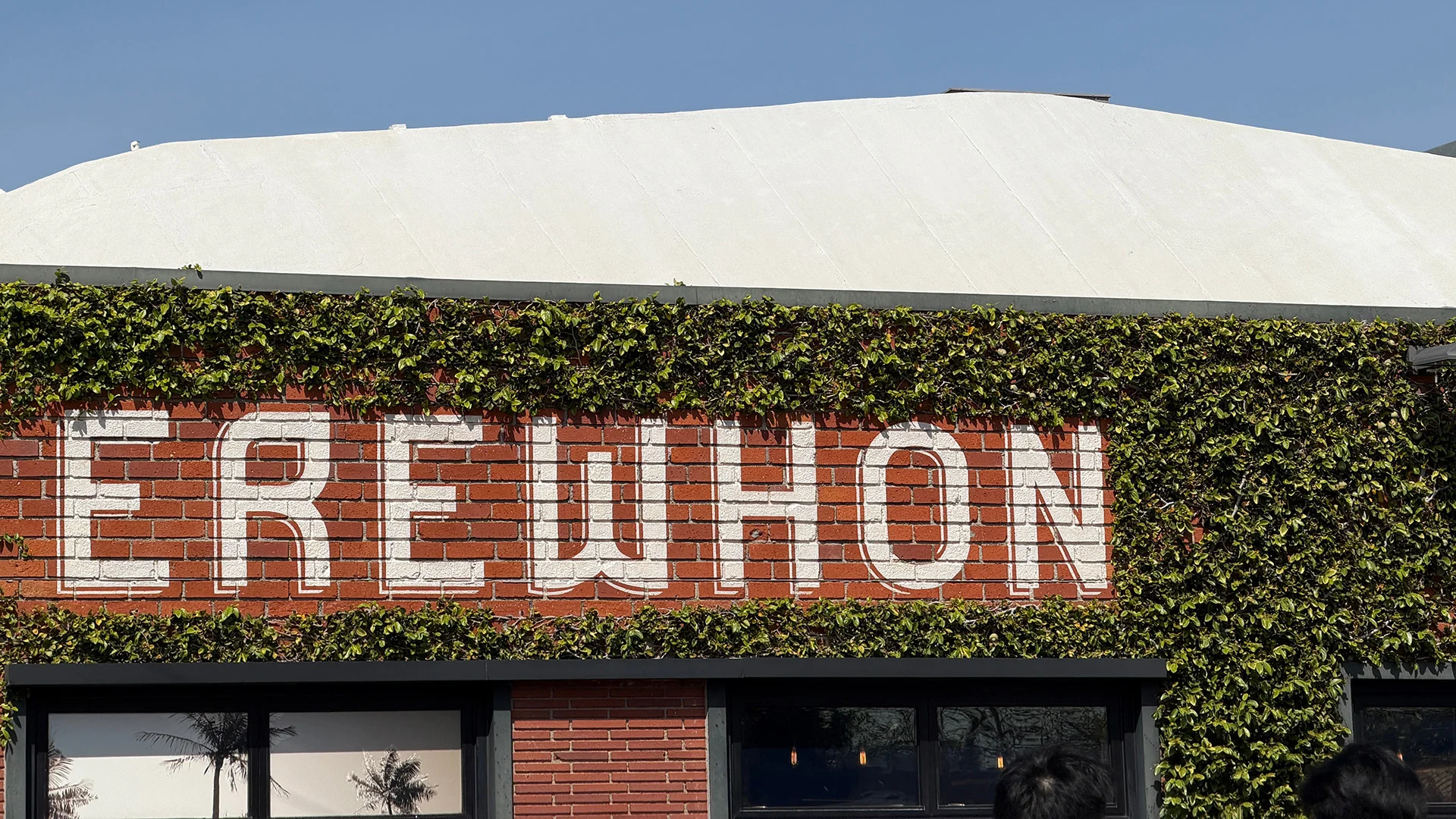
Source image: inc.com
inc.comThe Expansion Dilemma of Modern Luxury Retail
For elite consumer brands, scaling up is often an exercise in slow-motion dilution. Erewhon, the Southern California-based upscale organic grocer and cultural touchstone, is currently navigating this exact high-stakes tightrope. As the company pushes its physical footprint outward—symbolized by its recent expansion into Ventura County at The Lakes at Thousand Oaks—it is inching closer to a major federal regulatory benchmark that has historically caught fast-growing restaurant and prepared-food chains off guard.
At the heart of the regulatory horizon is the U.S. Food and Drug Administration's (FDA) Menu Labeling Rule, a mandate stemming from the 2010 Affordable Care Act and finalized in 2014. Under these federal guidelines, food establishments operating 20 or more locations that sell substantially similar standardized items must publicly display calorie counts. While Erewhon has historically operated comfortably beneath this ceiling, its steady multi-unit rollout means the company is rapidly approaching the critical 20-store threshold.
Decoding the FDA Calorie Disclosure Mandate
For executive leadership and investors, the prospect of public calorie disclosures introduces an intriguing psychological friction point. Erewhon's legendary status is deeply intertwined with its cult-favorite, highly indulgent proprietary items, such as celebrity-collaboration smoothies and dense prepared foods. Unveiling exact caloric metrics on items previously perceived solely through a lens of clean, holistic wellness could alter consumer perception.
However, consumer behavior experts and retail strategists emphasize that mandatory calorie counts are merely a surface-level symptom of a much deeper transition. The true friction lies in the tension between mass accessibility and boutique exclusivity. When a brand's value proposition relies heavily on localized scarcity and cultural cachet, transforming into a widely accessible regional or national chain threatens the very destination appeal that commands premium pricing.
- Regulatory Milestones: Approaching the 20-store FDA threshold for mandatory menu labeling.
- Brand Perception Shift: Transitioning from an exclusive Southern California status symbol to a broader upscale retail footprint.
- Consumer Dynamics: Balancing the potential alienation of early adopters against the acquisition of a larger, mainstream customer base.
The Real Corporate Risk: Consistency and Quality Control
Beyond nutritional transparency, supply chain experts argue that the greatest threat to Erewhon’s enterprise value is not regulatory oversight, but operational consistency. Scaling a high-end grocery and cafe hybrid requires an uncompromising commitment to fresh, organic, and meticulously sourced ingredients. Rapid multi-unit expansion risks straining supply networks and diluting the precise in-store experience that justifies the brand's steep price points.
Maintaining rigorous quality control across a growing network of stores demands sophisticated logistics and robust middle management. If service bottlenecks or product inconsistencies emerge as store counts rise, the brand risks alienating its core demographic before it successfully captures a wider market share.
Strategic Implications for Investors and Market Watchers
For venture capitalists, private equity observers, and retail executives, Erewhon’s trajectory offers a masterclass in the economics of lifestyle retail. Key indicators to monitor over the next fiscal cycle include:
- Store Rollout Pace: How aggressively management intends to approach or defer crossing the 20-location federal labeling threshold.
- Margin Resilience: Whether premium price elasticity holds as the brand encounters less affluent suburban demographics.
- Operational Scalability: The effectiveness of supply chain investments in preserving product integrity across new regional markets.
Ultimately, Erewhon's expansion serves as a bellwether for the luxury food sector. Whether the enterprise can successfully transition from an elusive Los Angeles phenomenon to a broader upscale staple without sacrificing its core identity remains one of the most compelling case studies in modern retail evolution.
Continue reading
Related coverage in Business
nytimes.com
David Ellison Targets CNN Leadership Continuity in Paramount Merger Talks
David Ellison is currently negotiating to retain CNN CEO Mark Thompson without oversight from CBS editor in chief Bari Weiss as parent companies navigate merger plans.
2 min read
bbc.com
Decoding Nike’s Slump: How Strategic Missteps Cost the Sportswear Titan Its Edge
Explore the factors behind Nike's dramatic market decline. Industry analysts dissect the self-inflicted strategic errors that shook the sportswear giant.
3 min read
bbc.com
Treasury Committee Directs HMRC to Investigate Tax Implications of Manchester City Case
The UK Treasury Committee has called on HMRC to closely examine potential tax ramifications arising from the high-profile Manchester City legal verdict.
3 min read
nytimes.com
US Imposes Sanctions on Russian Firm A7 Over Global Shell Company Evasion Schemes
The United States targets Russian financial firm A7 with new sanctions following reports of utilizing global shell companies to bypass existing economic restrictions.
3 min read